

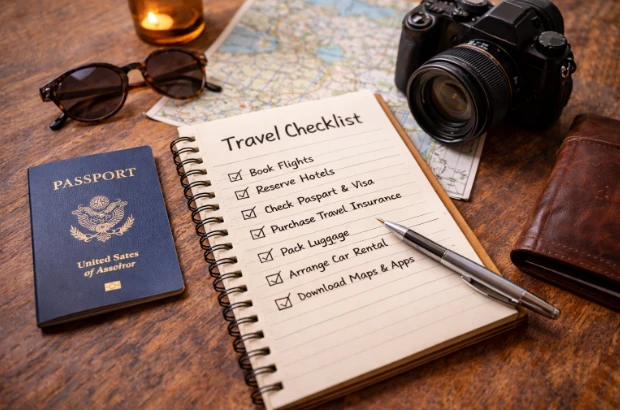
Whether you’re dreaming of a weekend escape, a cross‑country road trip, or an international adventure, the key to a smooth, joy‑filled journey is planning.
A solid trip planning checklist turns travel anxiety into confidence, helping you anticipate needs, avoid last‑minute scrambles, and enjoy every step of your trip.
I’ve designed this guide to walk you through every major stage of travel preparation—before you leave, while you’re gone, and even when you return home. Grab a coffee, and let’s map out your next adventure the right way.
Why a Trip Planning Checklist Makes Travel Better
If you’ve ever forgotten a passport at the last minute, searched for forgotten reservations, or scrambled to find local transportation upon arrival, then you already understand the value of preparation. A trip planning checklist doesn’t just help you remember essentials—it helps you make informed decisions, reduce stress, and stay organized so you can actually enjoy your adventure.
Great planning isn’t about perfection. It’s about clarity, readiness, and peace of mind. With a well‑crafted checklist, you’ll spend less time worrying and more time exploring.
When to Start Your Trip Planning Checklist
A simple rule of thumb: start your checklist as soon as you book your trip. For international travel, that means at least 8–12 weeks ahead of departure. For regional or domestic travel, begin 4–6 weeks before your travel dates. Starting early gives you time to:
- Compare airline prices and seat options
- Monitor visa requirements
- Book preferred accommodations
- Arrange must‑have tours or events
Your timeline will naturally adjust based on the destination, duration, and purpose of your trip.
Pre‑Booking Essentials: Setting Your Travel Foundation
Before you click “book,” take time to consider your bucket list goals, budget, and preferences. These early decisions shape the rest of your planning.
1. Identify Your Trip Purpose and Length
Decide whether your trip is for:
- Relaxation (beaches, resorts)
- Adventure (hiking, safari, water sports)
- Cultural immersion (museums, history, food)
- Celebration (honeymoon, anniversary, milestone)
Your reasons for travel help determine where you go, how long you stay, and what your itinerary should prioritize.
2. Set Your Travel Budget
Include these categories:
- Flights or transportation
- Lodging (hotels, Airbnbs, resorts)
- Daily meals and drinks
- Tours and activities
- Travel insurance
- Souvenirs and extras
Always include a “buffer” of 10–15% for unexpected expenses. Budgeting early helps you choose destinations and activities within your comfort zone.
3. Choose Your Destination
Research the best destinations based on:
- Weather and seasons
- Local events or festivals
- Cost of living and tourism peak times
- Travel advisories or entry requirements
Your choice will guide your timelines, packing list, and itinerary.
Booking Your Trip: Flights, Stays, and Experiences
Once you’ve set your big picture goals, it’s time for concrete bookings. This is where travel dreams become logistics.
4. Book Your Flights and Transportation
Tips for smarter options:
- Use flight comparison tools to track prices
- Choose flights with flexible cancellation or changes
- Confirm all travelers’ legal names match passport/ID
- Consider seat selection if needed
If you’re renting a car, shop around for deals that include insurance, GPS, and child seats if needed.
5. Secure Your Accommodation
From luxury hotels to boutique guesthouses, lodging can make or break your experience.
Checklist for booking stays:
- Read recent reviews
- Check cancellation policies
- Confirm Wi‑Fi, breakfast, and other amenities
- Note proximity to key attractions or transport
Platforms like Hotels.com, Booking.com, Airbnb, and resort sites often offer easy filters to match your travel style and budget.
6. Plan Must‑Do Activities and Experiences
Popular attractions fill up fast, especially in peak seasons, so:
- Book tours and tickets in advance
- Note opening hours and travel times
- Reserve meals at must‑try restaurants
Some experiences—like hot air balloon rides or Michelin‑star dining—may require booking months ahead.
Documentation and Legal Requirements
Nothing derails travel faster than missing paperwork. Your trip planning checklist must include these essentials.
7. Passports, Visas, and Entry Requirements
Before you leave:
- Ensure passports are valid for at least 6 months beyond your return date
- Apply for visas well before your trip
- Check if vaccinations or travel declarations are required
For some countries, eVisas or entry forms must be submitted online before departure.
8. Travel Insurance and Medical Prep
Travel insurance is a must for:
- Medical emergencies abroad
- Trip cancellations or interruptions
- Lost, Delayed, or Damaged Baggage and passports
Review policy details carefully and print or store digital copies of your coverage. Keep emergency numbers handy.
9. Health and Safety Considerations
- Visit a travel clinic if needed
- Pack a basic first‑aid kit
- Research local safety tips and emergency contacts
Check temperature, altitude, and terrain expectations so you’re prepared for anything.
Communication and Tech Setup
Staying connected ensures safety and convenience while abroad.
10. Set Up Data and Connectivity
Before departure:
- Enable international roaming or buy a local SIM upon arrival
- Download offline maps (Google Maps, Maps.me)
- Save important documents or reservations in cloud storage
Apps like WhatsApp, Viber, and Signal are great for messaging with family or guides.
11. Prepare Essential Travel Apps
Helpful tools include:
- TripIt or Google Trips for itinerary management
- Transportation apps (Uber, Lyft) for seamless travel
- Currency conversion tools
- Language translators for non‑English destinations
Test these tools before departure so they’re ready when needed.
Packing: What to Bring (and What to Skip)

A robust packing plan keeps you light while covering all essentials. Remember: less is more if you pack smart.
12. Create a Packing List by Category
Clothing:
- Weather‑appropriate outfits
- Versatile layers
- Comfortable shoes
Toiletries and Health:
- Prescriptions with copies of prescriptions
- Basic first‑aid kit
- Sunscreen and insect repellent
Gear and Tech:
- Chargers and power adapters
- Portable battery pack
- Camera and accessories
Documents:
- Printed and digital itinerary
- Passport and visas
- Insurance cards and emergency contacts
13. Smart Tips to Pack Like a Pro
- Roll clothes to save space
- Use packing cubes for organization
- Keep a separate day bag for essentials
Always leave extra room for souvenirs!
At Your Destination: Stay Organized and Present
Once you arrive, your trip planning checklist doesn’t stop. Keeping track of activities, receipts, and transportation helps you enjoy the moment without stress.
14. Maintain a Daily Travel Log
Note:
- Key reservations
- Transportation details
- Memories you want to remember
Consider a simple travel journal or digital note.
15. Follow Local Norms and Etiquette
Respect:
- Dress codes for cultural sites
- Tipping customs
- Local laws
Understanding local culture enriches your experience.
Before You Return Home
Even the end of a trip benefits from planning.
16. Check Your Flights and Transport
- Confirm departure time
- Arrange transport to the airport
- Allow extra travel time
Delays and slow security checks can be stressful—being early helps.
17. Pack Thoughtfully for Your Return
- Wash or dry clean items if needed
- Check that all valuables are packed
- Keep travel documents easy to reach
A final sweep of your room prevents forgotten items.
After Your Trip: Wrap‑Up and Memory Sharing
Your trip doesn’t truly end at the airport. Taking time to organize and reflect maximizes your travel satisfaction.
18. Store and Organize Your Photos
- Create albums or online galleries
- Back up photos in cloud storage
Sharing photos and memories with loved ones extends the joy.
19. Review Accommodations and Tours
Leaving reviews helps future travelers and gives feedback to providers.
20. Evaluate Your Budget and Save for Your Next Trip
Compare expected versus actual expenses and adjust future planning accordingly. Every trip teaches a lesson!
Frequently Asked Questions
1. What should be included in a trip planning checklist?
A complete checklist includes pre‑booking tasks (budget, destination, goals), booking essentials (flights, hotels, activities), documentation (passports, visas, travel insurance), packing, communication setup, and post‑trip wrap‑up. Prioritizing these steps helps ensure you don’t overlook key details.
2. How far in advance should I start planning my trip?
For international travel, start your trip planning checklist at least 8–12 weeks before departure. For domestic travel, beginning planning 4–6 weeks ahead helps secure the best flights and accommodations.
3. Why is travel insurance important?
Travel insurance safeguards you against medical emergencies, trip cancellations, lost luggage, and unforeseen events. It’s especially crucial when traveling abroad or during uncertain conditions.
4. What apps should I use to stay organized while traveling?
Useful travel apps include itinerary organizers like TripIt, offline map tools like Google Maps, translation apps like Google Translate, and local transportation apps like Uber or Lyft. Download these before departure so they’re ready when you need them.
Master Your Next Journey with a Trip Planning Checklist
A well‑crafted trip planning checklist is your secret weapon for stress‑free travel. It helps you anticipate needs, organize logistics, and enjoy your adventure with confidence.
By planning thoughtfully, prioritizing essentials, and staying adaptive, you unlock the freedom to explore without worry. Take this guide, tailor it to your needs, and get ready to pack your bags with peace of mind!