

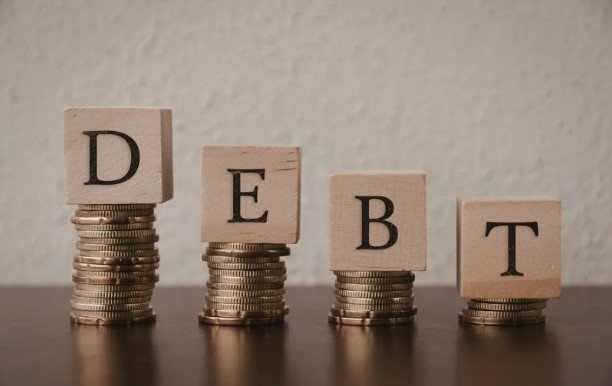
Managing debt is a critical component of financial health. In a world where credit is easily accessible, consumers often find themselves juggling multiple debts, unsure of the most effective strategy to manage their financial obligations. As an integral part of debt management, understanding how personal loans can be utilised to consolidate debt and streamline payments is essential.
What Are Personal Loans?
Personal loans are unsecured loans provided by financial institutions that can be used for a range of purposes, including debt consolidation, home renovations, or covering unexpected expenses. Unlike secured loans, they do not require collateral, such as a house or car. This aspect makes them an attractive option for individuals looking to manage their debts without the risk of losing their assets.
The Role of Personal Loans in Debt Management
Personal loans play a pivotal role in debt management strategies. By consolidating various debts into a single loan with a potentially lower interest rate and uniform payment schedule, borrowers can simplify their financial obligations and, often, reduce the total interest paid over time.
Steps to Navigating Personal Loans for Debt Management

Here are several key steps to consider when using personal loans for debt management:
Assessing Your Debt Situation
The first step in effective debt management is to take a comprehensive look at your current debts. List out all the debts you have, including credit cards, store cards, other loans, and any additional financial obligations. Note down the interest rates, monthly payments, and remaining balances for a clear overview of your debts.
Comparing Loan Options
Researching and comparing various personal loan options is vital. Look for loans that offer competitive interest rates and terms that match your debt repayment goals. Be mindful of any fees, charges, and the flexibility of repayment options. It’s about finding a balance between a manageable monthly repayment and the overall cost of the loan.
Evaluating Interest Rates
Interest rates significantly affect the total amount you’ll pay on your debts. A personal loan with a lower interest rate than your current debts can reduce the amount of interest you pay in the long run. It’s important to read the fine print and understand whether the rates are fixed or variable, as this can impact your payments over time.
Calculating Savings
Before committing to a personal loan for debt consolidation, calculate your potential savings. Total up what you currently pay in monthly payments and interest across all your debts, and compare it to what you would pay if those debts were consolidated under a single personal loan, while still accounting for other financial priorities like travel insurance plans.
Applying for a Personal Loan
Once you’ve selected a personal loan that meets your needs, the application process begins. Ensure you have all the necessary documents on hand, such as proof of income, identification, and details of your current financial situation. A clean credit history will improve your chances of approval and potentially secure a better interest rate.
Managing the Loan
Monitoring Your Progress
Keep an eye on your debt repayment progress. This includes monitoring your personal loan balance and making adjustments to your budget as necessary. Regularly reviewing your financial situation ensures that you remain on track with your debt management goals.
Benefits of Personal Loans in Debt Management

There are several benefits to using personal loans for debt management, including:
Streamlined Payments
Consolidating multiple debts into one personal loan simplifies your monthly payments, making it easier to keep track of your obligations and reducing the likelihood of missing payments.
Potentially Lower Interest Rates
Many individuals find that personal loans offer lower interest rates than their credit cards or other high-interest debts, which can mean significant savings over time.
Improved Credit Scores
Consistently making timely payments on a personal loan can have a positive impact on your credit score, which can be beneficial for future borrowing needs.
Fixed Repayment Terms
Personal loans typically come with fixed repayment terms, which means you’ll know exactly when you’ll be debt-free, allowing for better long-term financial planning.
Considerations When Using Personal Loans for Debt Management
While personal loans can be an effective tool for managing debt, they are not a one-size-fits-all solution. Here are some considerations to keep in mind:
Your Financial Discipline
Taking out a personal loan to consolidate debt requires a level of financial discipline. It’s important to resist the temptation to use the credit that has been freed up, as this can lead to further debt.
Origination Fees and Penalties
Some personal loans come with origination fees or penalties for early repayment. Be sure to consider these when calculating the total cost of the loan.
Long-Term Financial Impact
Consider how a personal loan fits into your broader financial picture. While it can simplify payments and potentially lower interest rates, it’s important to ensure it aligns with your long-term financial goals.
In conclusion, personal loans can be a strategic tool for effective debt management when used responsibly. By consolidating debts, securing lower interest rates, and simplifying payment processes, individuals can work their way toward a debt-free future. As with any financial decision, careful consideration and planning are key to ensuring that taking out a personal loan is a step in the right direction for your financial health.