


In recent years, there has been a significant shift towards sustainable living. Consumers are becoming increasingly aware of the environmental impact of their choices, particularly when it comes to products they use daily.
One area seeing considerable change is the use of bags, with a growing preference for eco-friendly alternatives that reduce plastic waste and promote sustainability. Among these alternatives, jute bags have emerged as a highly popular and stylish choice.
The Environmental Impact of Traditional Bags
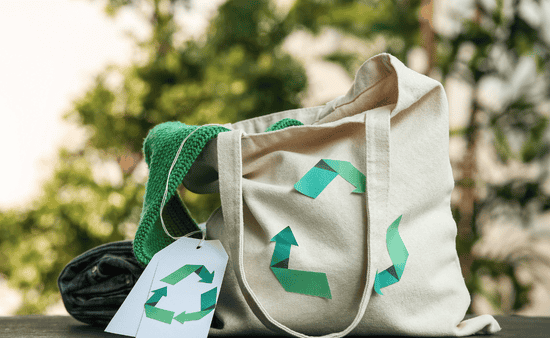
Traditional plastic bags are widely criticised for their detrimental effect on the environment. They are non-biodegradable and often end up in landfills or oceans, causing harm to wildlife and ecosystems.
Even some reusable bags are made from synthetic materials that do not break down easily, contributing to pollution over time. The urgency to find environmentally responsible alternatives has intensified, leading to the development and adoption of natural material bags such as those made from jute.
What Makes Jute Bags Eco-Friendly?
Jute is a natural fibre obtained from the jute plant, which is commonly cultivated in tropical regions such as India and Bangladesh. The cultivation of jute requires minimal use of pesticides and fertilisers, making it an environmentally friendly crop. Additionally, jute plants absorb large amounts of carbon dioxide and release oxygen, thereby supporting the reduction of greenhouse gases.
Jute bags are biodegradable and compostable, meaning they decompose naturally without leaving harmful residues. This characteristic significantly reduces environmental pollution compared to plastic and synthetic bags. Furthermore, jute bags are highly durable and reusable, supporting the reduction of single-use bag consumption.
The Benefits of Using Jute Bags
Besides their positive environmental attributes, jute bags offer numerous practical benefits that make them a preferred choice for consumers. These bags are sturdy and capable of carrying heavy items, making them ideal for grocery shopping and everyday use. Their natural texture and versatile design options also add to their aesthetic appeal, enabling consumers to enjoy both functionality and style.
Many manufacturers provide a range of stylish jute bags, from plain designs to those featuring intricate prints and customisations. This variety caters to diverse consumer preferences, fostering broader acceptance and use of sustainable bags.
Jute Bags in Retail and Corporate Branding

Businesses are increasingly adopting jute bags as part of their corporate social responsibility initiatives. By offering jute bags to customers or using them in promotional campaigns, companies demonstrate a commitment to sustainability, which can enhance brand reputation and customer loyalty.
Moreover, customised jute bags provide an excellent platform for brand visibility. The natural fibre retains dyes and prints well, allowing for vibrant and long-lasting branding elements. This makes jute bags a valuable marketing tool while simultaneously advancing environmental responsibility.
Care and Maintenance of Jute Bags
Proper care can prolong the lifespan of jute bags, making them even more sustainable by maximising their use. Cleaning typically involves gentle hand washing with mild soap and air drying to avoid damage. Consumers are encouraged to avoid prolonged exposure to moisture, as it may weaken the fibres or cause mildew.
Where to Source High-Quality Jute Bags
For those seeking to invest in durable and attractive jute bags, it is crucial to source products from reputable suppliers. Websites such as jute bags offer a wide selection of high-quality options that cater to various needs.
Choosing suppliers who prioritise sustainable production methods ensures that the environmental benefits of jute bags are fully realised. Consumers and businesses alike can contribute to greater sustainability by selecting responsibly made jute bags.
The Role of Jute Bags in Reducing Plastic Waste
Plastic waste remains a pressing global issue, with plastic bags being a significant contributor. The widespread use of jute bags can substantially diminish reliance on disposable plastic bags, thereby reducing litter and pollution.
By switching to jute bags, consumers directly support waste reduction initiatives and help conserve natural environments. This change aligns with broader environmental goals, such as curbing ocean pollution and protecting wildlife habitats.
Economic and Social Benefits of Jute Production

Beyond environmental advantages, jute cultivation and processing provide significant economic benefits, particularly in rural areas of producing countries. The jute industry creates employment opportunities for farmers, labourers, and artisans involved in harvesting, fibre extraction, weaving, and bag production.
Supporting the jute industry promotes sustainable livelihoods and encourages environmentally sound agricultural practices. This holistic approach to sustainability addresses social and economic factors alongside ecological concerns.
The Future of Sustainable Bags
As environmental awareness continues to rise globally, the demand for sustainable products like jute bags is expected to grow. Innovations in design and manufacturing processes will likely enhance the quality and appeal of these bags, making them accessible to a broader audience.
Policy measures such as bans on single-use plastics and incentives for eco-friendly products are also likely to accelerate the shift towards natural fibre bags. Jute bags are well-positioned as a practical, attractive, and responsible choice for consumers and businesses.
Conclusion
Embracing sustainability through the use of eco-friendly bags is an essential step in addressing global environmental challenges. Jute bags offer a compelling solution by combining environmental benefits with durability, functionality, and style.
Consumers and organisations that adopt jute bags contribute to waste reduction, support sustainable agriculture, and promote ethical business practices. By sourcing high-quality jute bags, individuals and businesses can make a meaningful impact on the environment.
The transition to sustainable alternatives requires informed choices, and jute bags represent one of the most effective ways to reduce plastic pollution and promote a greener future. Increasingly, these bags are not just a practical accessory but a symbol of a thoughtful and responsible lifestyle.