

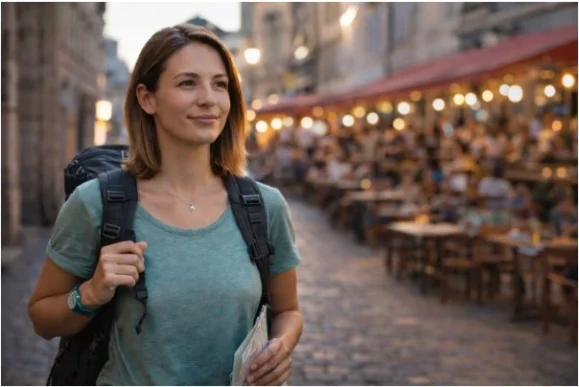
Traveling alone as a woman is a powerful and rewarding way to experience the world, building confidence, independence, and self-trust.
While solo travel is more accessible than ever, it still requires thoughtful preparation and awareness.
This guide to solo female travel safety shares practical strategies that help women travel confidently while minimizing risk.
What Solo Female Travel Safety Really Means
Solo female travel safety is not about avoiding the world or assuming danger is everywhere. It is about understanding how to move through unfamiliar places with awareness, adaptability, and respect for local norms.
Every traveller encounters challenges, but women traveling alone may face additional social or cultural dynamics.
By developing strong habits and systems, many potential risks can be reduced or avoided entirely.
Trust Your Instincts at All Times
Your intuition is one of the most valuable safety tools you have. It processes information quickly and often detects subtle warning signs before your rational mind does.
Choose Safety Over Politeness
You are never obligated to continue a conversation or remain in a situation that makes you uncomfortable. If something feels wrong, leave immediately. Being polite is never more important than protecting your well-being.
Do Not Hesitate to Draw Attention
If someone is bothering you or making you feel unsafe, using your voice can be an effective deterrent. Speaking firmly, saying no clearly, or drawing public attention can disrupt unwanted behavior and create space to exit the situation.
Be Strategic With Personal Information
Information control plays a major role in solo female travel safety. Knowing what to share, when to share it, and when to keep details private helps maintain boundaries.
Responding to Questions About Traveling Alone
Not every question is asked with bad intentions, but context matters. If you feel uncertain, it is perfectly acceptable to suggest that you are meeting someone or traveling with others. You are not required to disclose personal details to strangers.
Manage Your Online Presence
Avoid sharing your real-time location on social media. Posting updates after you leave a place reduces the risk of someone tracking your movements. Adjust privacy settings before your trip and be mindful of public posts.
Protect Accommodation Details
Never say your room number out loud in public areas. If staff mention it verbally, request that it be written down instead. Small precautions like this contribute to overall solo female travel safety.
Plan Logistics With Care
Strong logistics remove unnecessary stress and help you stay focused and aware during your travels.

Thoughtful Arrival Planning
Arriving at a new destination during daylight makes it easier to navigate, understand your surroundings, and reach your accommodation comfortably.
When late arrivals are unavoidable, arranging transportation in advance can help reduce uncertainty.
Prepare for Offline Navigation
Downloading maps and essential information allows you to move confidently even without an internet connection. Knowing where you are going reduces reliance on strangers and enhances personal confidence.
Stay Informed About Your Destination
Before traveling, familiarize yourself with local customs, emergency procedures, and general safety guidance. Being informed allows you to make better decisions and adapt more easily.
Practical Gear That Supports Safety
You do not need specialized equipment to stay safe, but a few thoughtful choices can make a difference.
Dress With Awareness of Local Culture
Clothing choices can influence how you are perceived. Dressing in a way that aligns with local norms often helps you blend in and reduces unwanted attention. Comfort and cultural respect can coexist.
Keep Belongings Secure
Using bags that stay close to your body helps protect valuables in crowded areas. Wearing backpacks on the front in busy spaces and minimizing visible valuables can deter theft.
Simple Safety Accessories
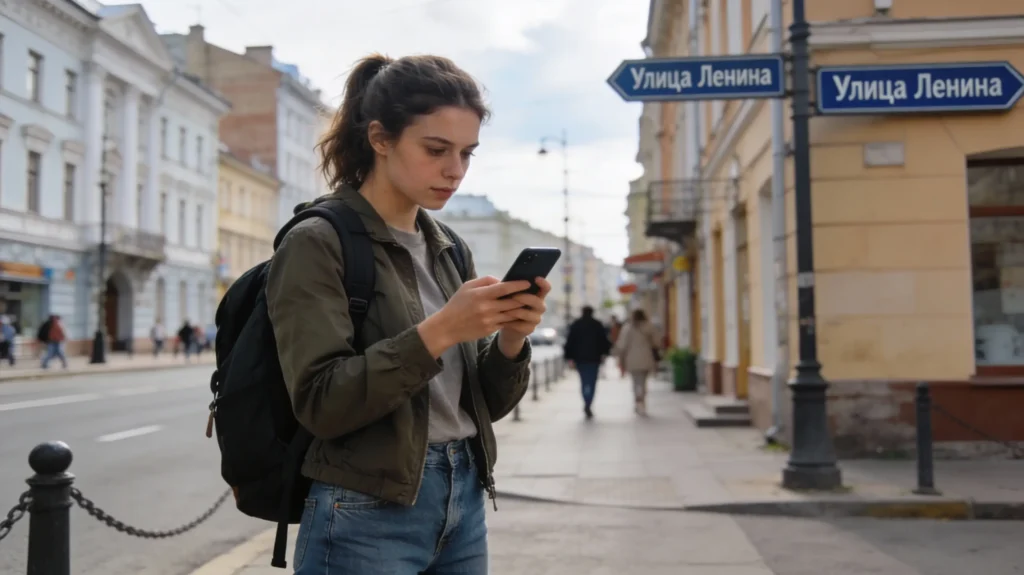
Small tools such as personal alarms or portable door locks can provide added peace of mind, especially in unfamiliar accommodations.
In some cultures, wearing a symbolic ring can discourage unwanted advances.
Health, Awareness, and Personal Control
Maintaining physical and mental clarity is essential for safe solo travel.
Be Mindful With Alcohol
When traveling alone, moderation is important. Staying alert and aware of your surroundings allows you to react quickly and make informed decisions.
Stay Attentive to Food and Drinks
Never leave food or drinks unattended, and avoid accepting items you did not see prepared. These habits protect your health and support solo female travel safety.
Remain Aware of Your Surroundings
Limiting distractions such as loud music or constant phone use helps you stay alert. Awareness allows you to notice changes in your environment and respond accordingly.
Build Local Support Along the Way
Traveling solo does not mean being disconnected. Creating small networks adds comfort and security.
Use Existing Connections
Before departure, check if anyone you know has contacts at your destination. Even a casual introduction can provide helpful local insight or support.
Know Emergency Procedures
Learn the local emergency numbers and save them in your phone. Knowing how to seek help quickly is an essential part of solo female travel safety.
Connect With Trusted Locals
Hotel staff, guides, and reliable drivers can become valuable points of contact. Keeping their details accessible adds reassurance during your trip.
Reliable Internet Is a Safety Essential
Access to mobile data supports navigation, communication, translation, and emergency assistance.
Staying connected helps you solve problems quickly and reduces stress in unfamiliar environments.
Digital access also allows you to reach trusted contacts, use safety tools, and maintain peace of mind while traveling alone.
Confidence and Assertiveness Matter
Mental preparation is just as important as physical planning. Knowing how to assert boundaries clearly and confidently can prevent situations from escalating.
Practicing firm responses and confident body language before traveling helps these reactions feel natural if needed. Confidence often discourages unwanted attention.
Common Safety Mistakes to Avoid
Even experienced travellers can become complacent. Over-sharing personal information, ignoring intuition, or becoming overly distracted can increase vulnerability.
Staying aware, adaptable, and present helps you navigate challenges more effectively.
Why Solo Female Travel Is Worth It

Despite necessary precautions, solo travel remains deeply rewarding. It fosters independence, resilience, and self-confidence.
With the right mindset and preparation, safety becomes a foundation rather than a limitation.
Solo female travel safety exists to support freedom, not restrict it.
Solo Female Travel Safety Is About Empowerment
Solo female travel safety is a skill developed through awareness, preparation, and experience. By trusting your instincts, managing information carefully, planning thoughtfully, and staying connected, you can explore the world confidently and independently.
Traveling alone as a woman is not about fear. It is about informed freedom, personal growth, and the confidence to move through the world on your own terms.
Frequently Asked Questions
1. Is solo female travel safe?
With preparation, awareness, and smart decision-making, many women travel alone safely and enjoyably.
2.What is the most important solo female travel safety tip?
Trusting your instincts and acting on them without hesitation is the most important safety principle.
3.Should I say I am traveling alone?
If you feel uncomfortable, you are not required to share that information. Your safety comes first.
4.How can I feel safer in accommodations?
Choose reputable places, protect your room information, and use simple security measures when available.
5.Does cultural dress really affect safety?
Dressing according to local norms often helps you blend in and reduces unwanted attention.