

Traveling internationally is exciting, but ignoring travel laws can turn an unforgettable trip into an unforgettable mistake. Border rules, customs regulations, protected areas, and digital requirements exist everywhere — and they’re strictly enforced.
A small oversight can easily lead to fines, detainment, or even deportation.
This guide breaks down important local travel laws with real examples, explains what travelers often misunderstand, and shows how to stay compliant without stress. When you know what the law expects, you travel smarter, safer, and more confidently.
Digital Entry Systems: Understanding Local Travel Laws Before You Arrive
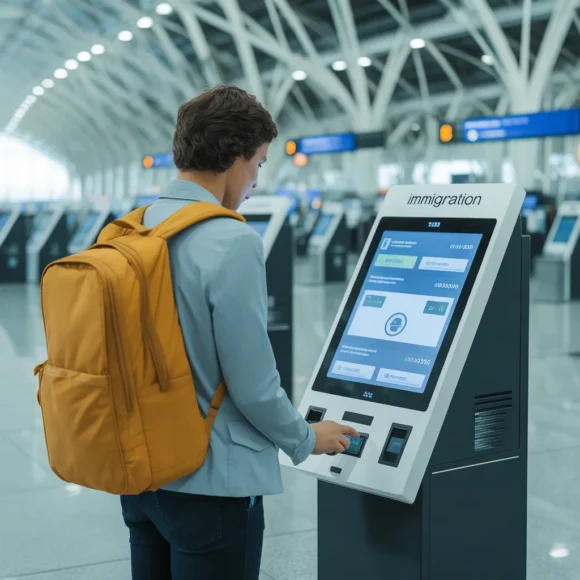
Many countries now use digital immigration portals instead of paper forms.
Travelers are expected to submit entry details online, sometimes before boarding their flight. These systems verify identity, track arrivals, and help prevent overstays.
Some regions link immigration processes with biometric scans such as fingerprints or facial recognition. If travelers fail to register correctly, immigration officers may delay entry, question travel history, or deny boarding altogether.
Always check the official immigration website of the country you’re visiting. Save screenshots or email confirmations so you can show proof instantly if asked. Simple preparation prevents stressful airport surprises.
Security Devices And Restricted Electronics Under Local Travel Laws
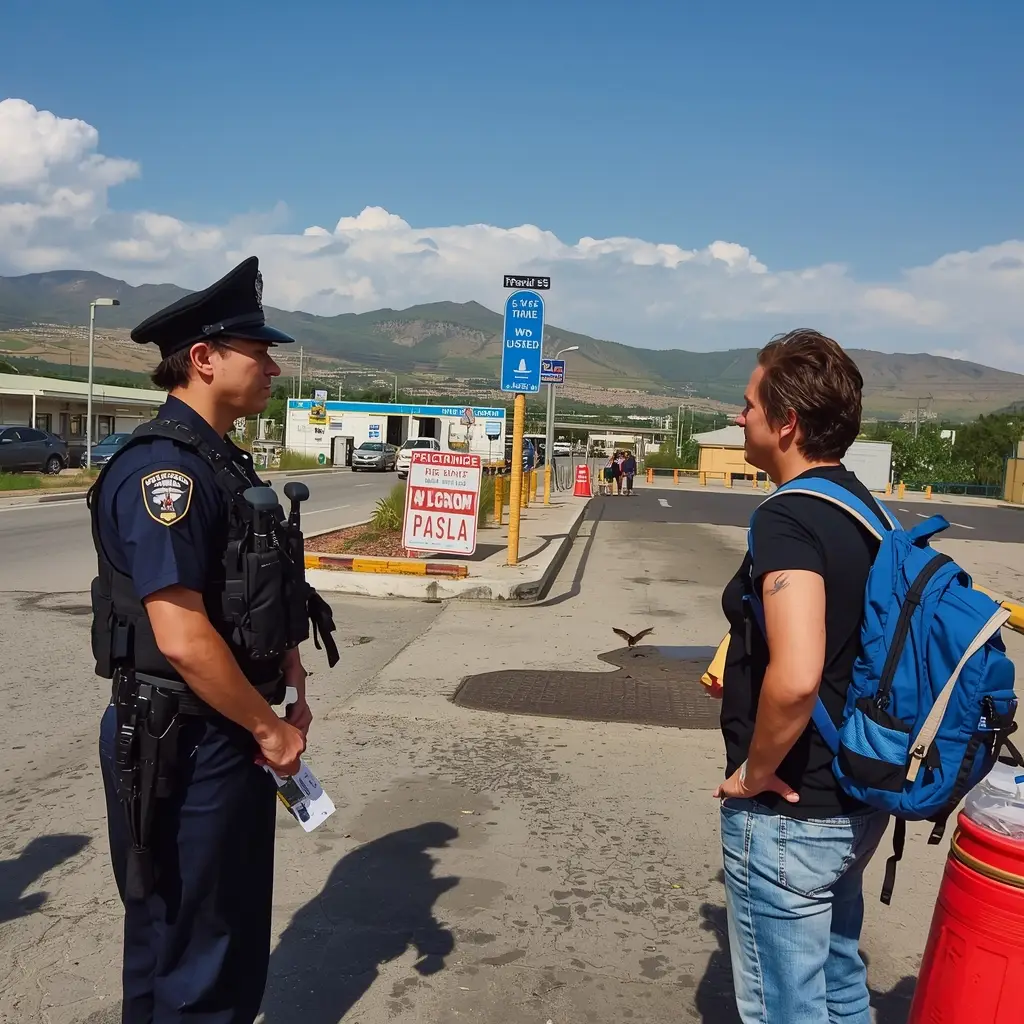
Some electronic devices that seem harmless can be restricted or banned when crossing borders. Authorities worry about communication tools that bypass local networks or devices used for hidden tracking.
Examples travelers commonly get in trouble for include:
• satellite phones without permits
• military-grade GPS trackers
• encrypted two-way radios
• spy-camera equipment hidden inside everyday items
In countries with strict security regulations, these devices can be confiscated, and fines may follow. In rare cases, travelers face interrogation simply because they didn’t declare what they were carrying. If a device feels unusual or specialized, declare it honestly.
Transparency almost always reduces problems.
Photography Laws: Where Cameras Can Get You Into Trouble
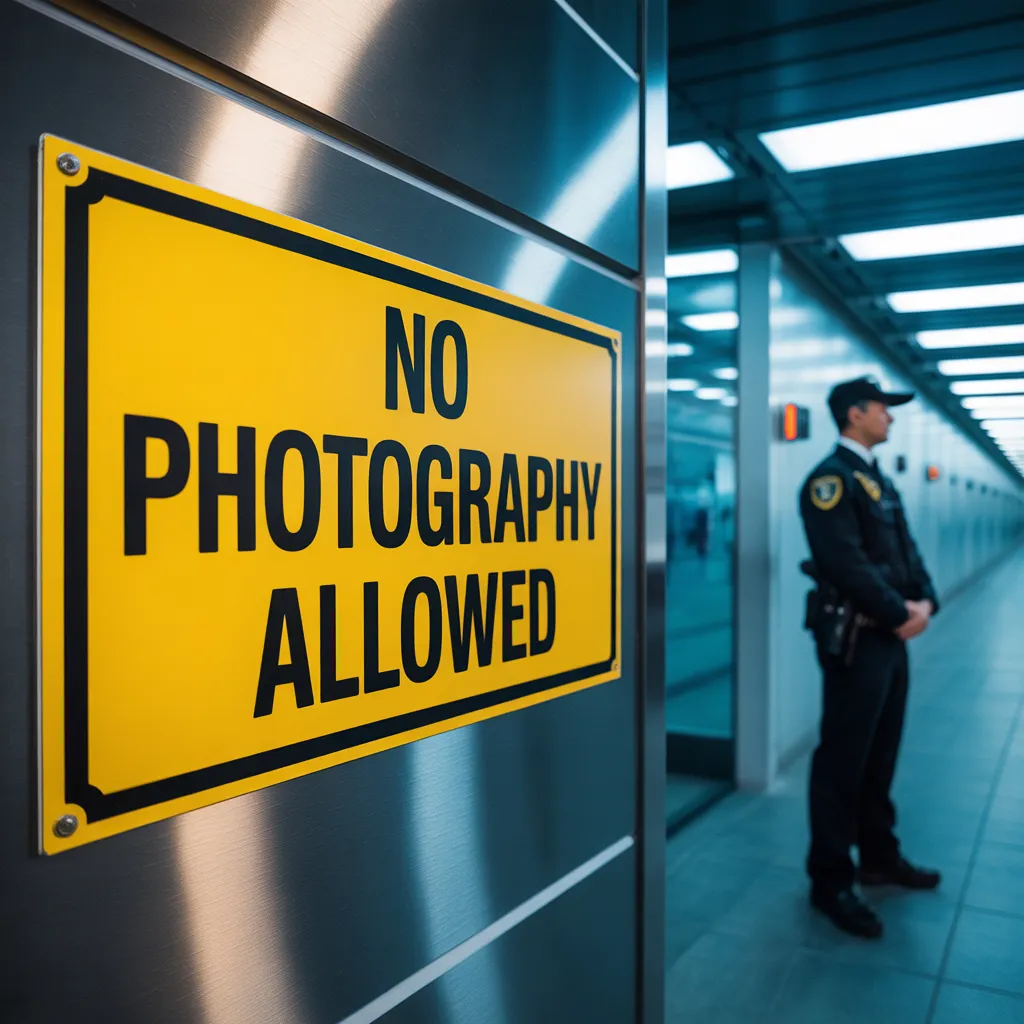
Photography laws often surprise tourists. In many regions, snapping a photo is not just a privacy issue — it’s a security issue.
Avoid photographing:
• border checkpoints
• military installations
• government buildings
• surveillance towers
• power plants and infrastructure
Using drones adds another layer of regulation. Many countries require special permits for drone use, and some ban drones entirely in national parks or crowded public spaces.
If a guard tells you to delete photos, comply politely. A friendly attitude typically resolves misunderstandings quickly.
Medication Rules And Travel Laws Most People Don’t Think About
Plenty of travelers pack medication without considering foreign drug regulations. What is normal over the counter in one country might be classified as a controlled substance elsewhere.
Customs officers commonly flag medicines such as strong painkillers, sleep aids, antidepressants, anxiety medication, and certain cough syrups.
Always carry original labeled containers, a doctor’s prescription, and a medical letter stating your diagnosis and dosage.
Never carry unmarked pills or share medication with anyone. Understanding medication rules is one of the most important — and often overlooked — travel laws.
Alcohol And Substance Local Travel Laws You Should Respect
Alcohol laws change drastically across countries. In some places, alcohol is widely available, while in others it is tightly regulated.
Common restrictions include limits on drinking in public, alcohol sales only in licensed venues, and transport restrictions across certain regions. Public intoxication alone can lead to police intervention.
Drug laws are much stricter. Even small amounts of illegal substances can result in heavy fines, imprisonment, or permanent travel bans. Always assume zero tolerance.
Identification Travel Laws: Why Your Passport Must Stay With You
In many countries, tourists are legally required to carry valid identification at all times. Police, railway authorities, or hotel staff may request it during inspections.
A photocopy rarely substitutes for the original. Keep your passport secure but accessible, and carry digital scans only as backup. If you rent a vehicle, an international driver’s license and permit may be mandatory and insurance may be invalid without it.
Protected Zones: Where Entry Requires Special Travel Permits
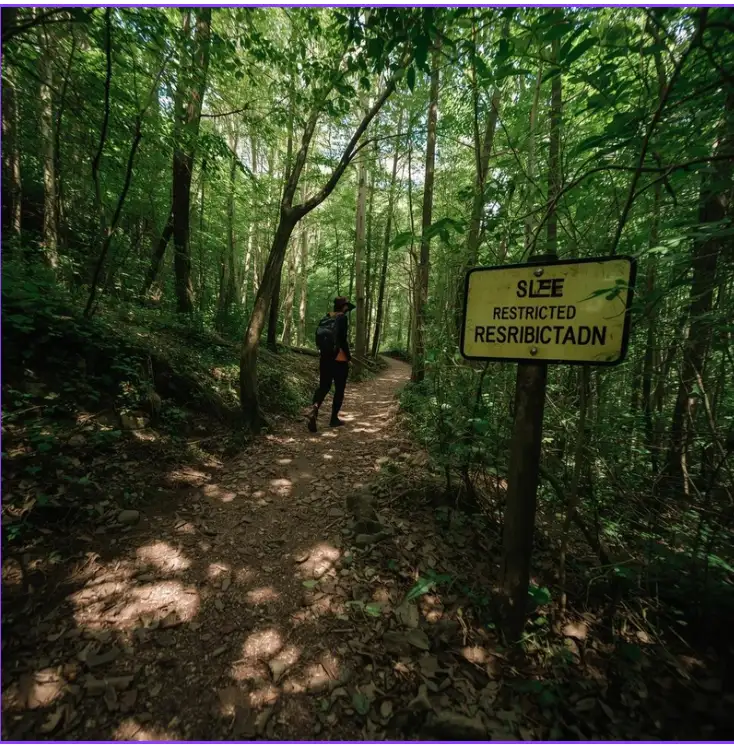
Some regions require advance authorization because they involve fragile ecosystems, border security zones, tribal communities, or marine conservation areas.
Travelers sometimes assume they can resolve it on arrival, only to be turned back or fined. Entering without approval can result in penalties or removal from the area. Responsible tourism means respecting legally protected regions.
Cultural Rules That Feel Like Travel Laws
Certain behaviors may not be illegal but can attract unnecessary attention. Travelers should avoid loud arguments, romantic displays in conservative areas, disrespectful clothing at sacred places, and ignoring local etiquette signs.
Observing local behavior is often the best guide for what is acceptable.
Women’s Travel Safety And Legal Awareness
Women may encounter different legal procedures depending on the destination. Some regions allow only female officers for certain complaints, while others offer online reporting support.
Choosing licensed transport, safe accommodations, and well-lit areas increases safety. Awareness builds confidence and aligns with local travel laws.
Social Etiquette And Law: Subtle Situations Tourists Often Misread
Many incidents abroad begin with misunderstandings that escalate. Filming strangers, blocking pathways, refusing routine checks, or speaking disrespectfully to officers can all cause issues.
Politeness and cooperation usually resolve conflicts faster than arguing.
Staying Curious While Staying Compliant
Travel laws exist to protect people, culture, and public order. Travelers who research ahead and respect regulations enjoy smoother journeys and more meaningful experiences. Preparation removes fear — and replaces it with confidence.
Frequently Asked Questions
1. Do I need to fill immigration forms before every trip?
Many destinations require digital or pre-arrival forms. Always check the immigration website of the country you are visiting.
2. Can I bring a satellite phone or GPS device on my trip?
Some communication devices are restricted. Declare them if necessary and check rules in advance.
3. Are all prescription medications allowed abroad?
No. Some are classified as controlled substances. Always carry labeled medication and prescriptions.
4. Are drones allowed everywhere?
Drone flying often requires permits and may be banned in sensitive areas. Research local regulations first.
5. Do tourists really have to carry passports at all times?
In many places, yes. Authorities may legally request identification during checks.
Why Learning Local Travel Laws Makes Every Trip Safer
Understanding local travel laws helps you avoid legal trouble, respect cultures, and travel safely. When travelers prepare ahead — confirming entry rules, packing responsibly, and learning local regulations
Their journeys become smoother and stress-free. Awareness is your most reliable travel companion.