
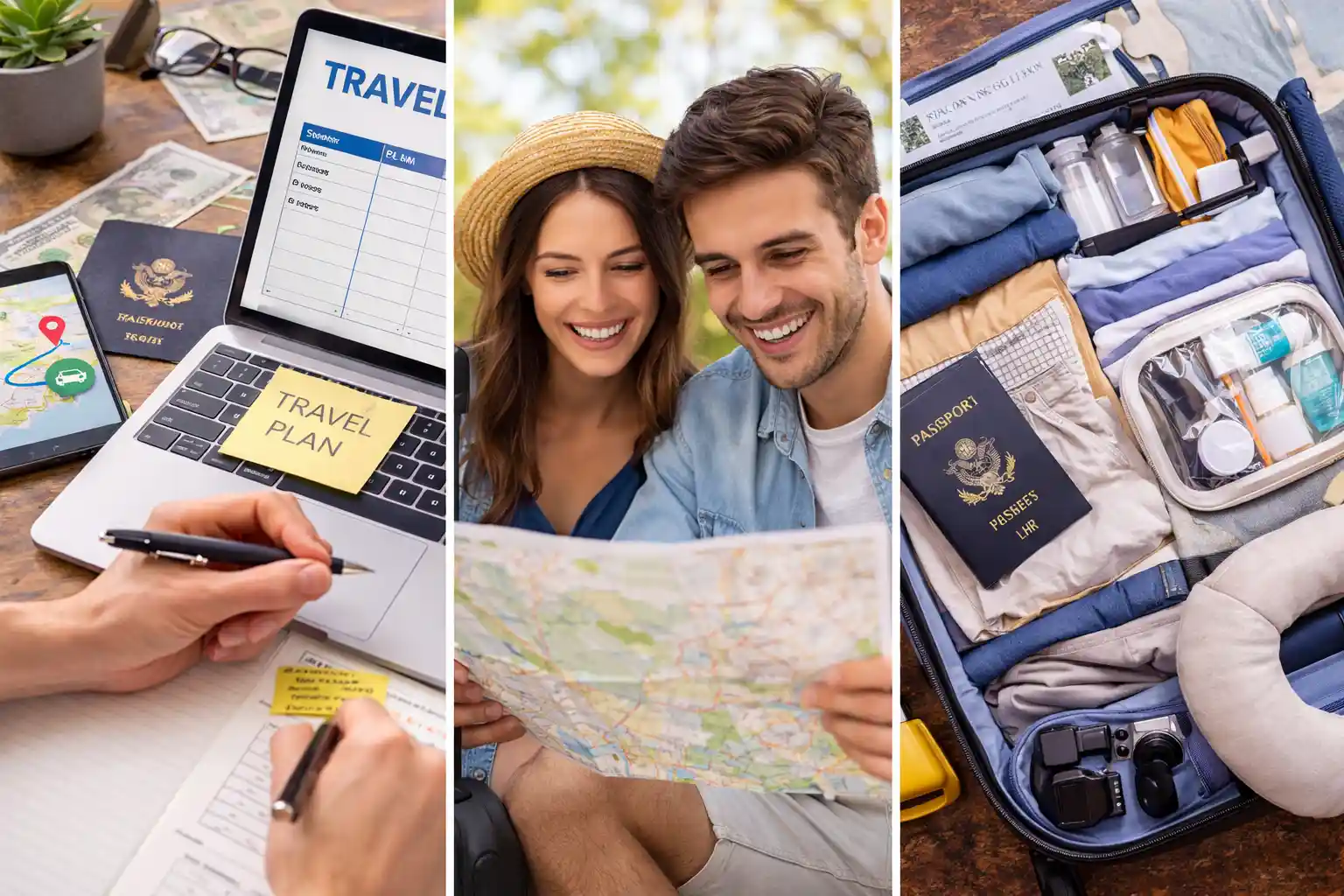
Embarking on your first trip can feel overwhelming, but with the right travel planning tips for beginners, it becomes an exciting process that sets the stage for unforgettable experiences.
This comprehensive guide breaks down everything you need to know, from setting a budget to packing efficiently, tailored for the travel landscape with flexible bookings and digital tools.
Whether dreaming of a beach getaway or city exploration, these travel planning tips for beginners will help you avoid common pitfalls and maximize enjoyment without unnecessary stress.
Planning ahead allows you to secure deals amid rising demand, while leaving room for spontaneity keeps things fun. Follow these travel planning tips for beginners to build confidence and create a personalized itinerary.
Start with the Basics: Define Your Trip Goals
Begin by asking key questions: Why are you traveling—relaxation, adventure, culture? Who’s joining—solo, family, friends? How much money and time do you have?
Set a realistic budget early, covering flights, accommodation, food, activities, and extras like insurance. Aim for 20-30% buffer for surprises. Use free tools like Google Sheets for tracking.
Choose destinations matching your interests and season—shoulder periods offer fewer crowds and lower prices.
Research Destinations and Create an Itinerary
Use blogs, YouTube, and Reddit for real insights. Pinterest and Google Maps help visualize spots.
Build a flexible itinerary: 1-2 main activities daily, plus downtime. Apps like TripIt or Wanderlog organize everything in one place.
Prioritize must-sees, but allow changes—overplanning leads to burnout.
Booking Flights and Transportation
Book flights 2-3 months ahead for best deals; use Google Flights or Skyscanner with alerts.
Fly mid-week or off-peak. For international, check visa requirements early via official sites.
Consider trains or buses for eco-friendly, scenic options in Europe or Asia.
Finding and Booking Accommodation
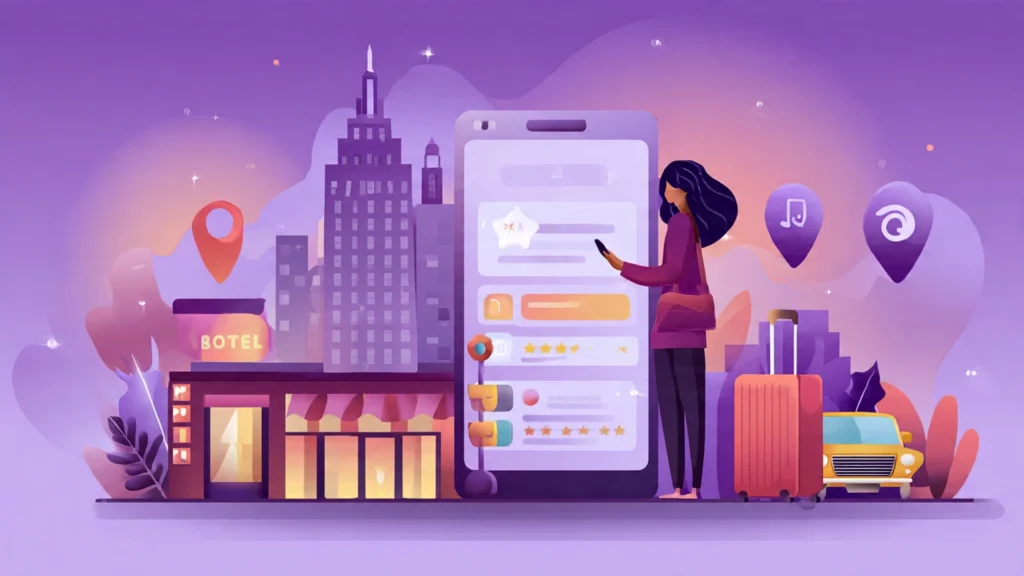
Compare Booking.com, Airbnb, and direct hotel sites—direct often includes perks like free cancellation. Read recent location and cleanliness reviews. Hostels suit solo budget travelers; apartments work for groups. Aim central but affordable spots to save on transport.
Packing Smart for Your First Trip
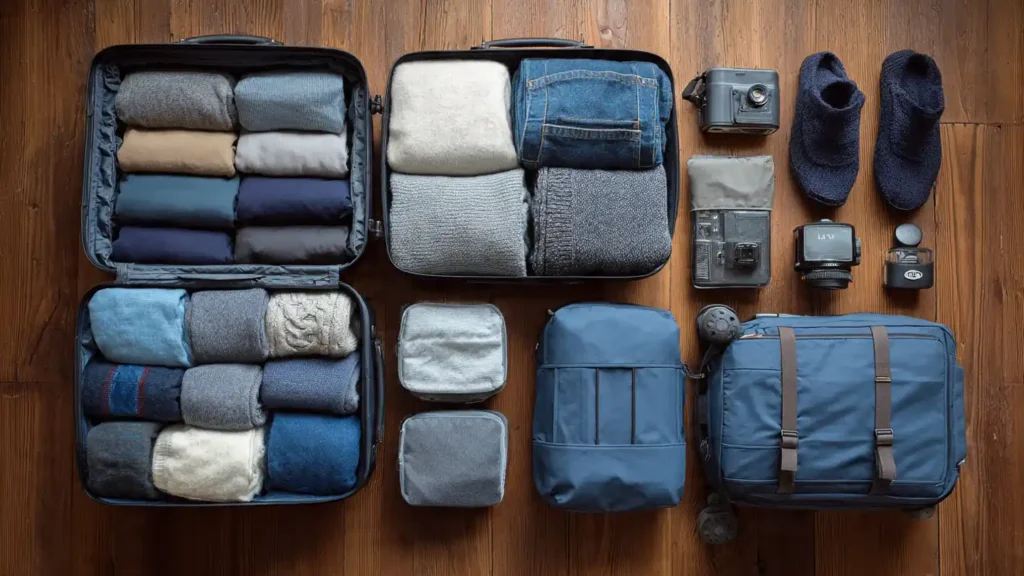
Pack light: Carry-on only if possible to avoid fees and hassle. Use packing cubes for organization. Essentials include versatile clothes, comfortable shoes, adapters, and meds. Create a checklist and test-pack. Roll clothes to save space; wear bulkiest items on travel day.
Essential Documents and Safety Preparations
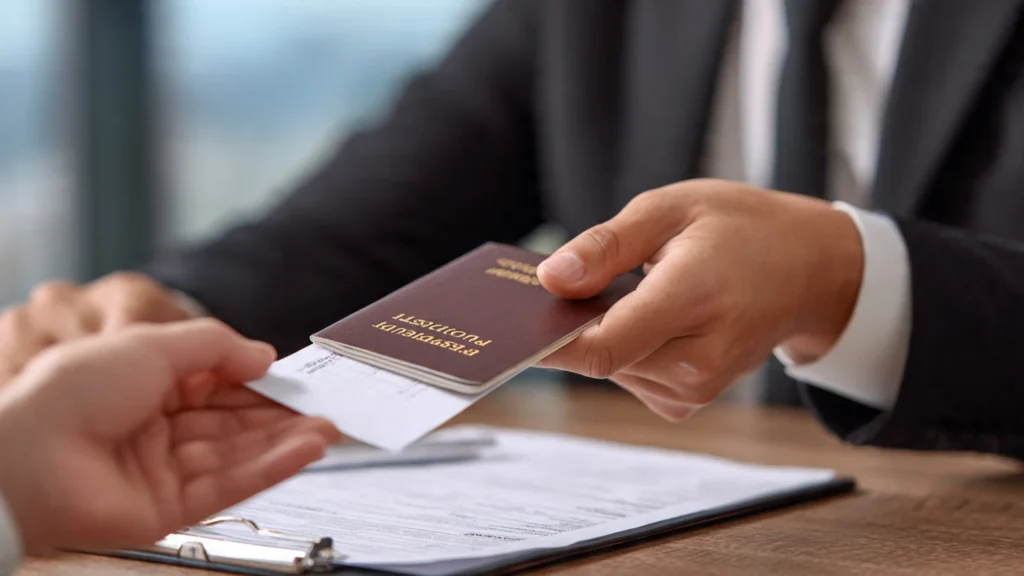
Check passport validity (6 months beyond return) and visas. Scan documents and store digitally. Get foreign trip medical insurance covering health and cancellations—crucial with variable weather.
Download offline maps, translation apps, and enroll in programs like STEP for alerts.
Managing Money and Staying Connected
Use no-foreign-fee cards and notify your bank. Carry some local cash; apps like Wise save on exchanges. Buy an eSIM or local SIM for data—essential for navigation and emergencies. Track expenses daily to stay on budget.
On-the-Ground Tips for Smooth Travel
Arrive early at airports; know transfer options in advance. Be flexible—delays happen. Stay aware but trusting; learn basic phrases for connection. Embrace local food and customs respectfully.
Common Beginner Mistakes to Avoid
Don’t overpack or overplan every minute. Skip rushing between cities—depth over breadth. Avoid booking non-refundable everything; flexibility is key for beginners. Ignore jet lag—build recovery time.
FAQs on Travel Planning Tips for Beginners
1. How far in advance should beginners plan a trip?
3-6 months for international; 1-2 for domestic—to secure deals and reduce stress.
2. What’s a good first-trip destination for beginners?
Places with easy navigation like Thailand, Japan, or Canada—safe, English-friendly, varied activities.
3. Do I need travel insurance as a beginner?
Yes—covers medical emergencies, cancellations, lost luggage; affordable peace of mind.
4. How can I save money while planning my first trip?
Travel off-peak, use points/miles, eat local, book bundles.
5. What apps are must-haves for beginner travelers?
Google Maps (offline), Translate, Flights, Maps.me, currency converter.
Embrace the Journey with These Travel Planning Tips for Beginners
With these travel planning tips for beginners, your first adventure will be filled with excitement rather than anxiety. Start small, stay flexible, and focus on experiences over perfection.
Planning is part of the fun—soon you’ll create memories that inspire more trips. Safe travels and enjoy every moment!