
bolbybol, indianoorngurl, physisinhindi, petrostrums, qofkthsl, utncrhby, vtxnfkkbjy, wpfhqpdltm, xsmthu7, quashiyorker, oalieva81, 18004439164, 8334100241, 18777371931, 18558437208, mumflexsai4, 89052644628, 4698995674, 18002752036, ghbjhbnbpfwbz, 18447089406, 18886708202, 18668425178, 8338428100, 4693930098, 18558437202, 18002993984, 18662161905, 4695522265, 18882776279, 8338381162, 18885416677, 18003141961, 18003516407, 8326694407, 18666132085, 18772461579, 18669852273, 8339202196, 18778196271, 18772041817, 18662847625, 18887297331, 18004264149, 18003519596, 89126126366, 8335251544, 18886970683, 8329073676, 18004306905, 18663136901, 18664132582, 8338393807, 18002904887, 8335231595, 18884209943, 18003683110, 8329926921, 18774996920, 18883510838, 18003816799, 8337531873, 8339014158, rhtlbcnjhbz, 18003997189, 8332131933, 18002189570, 8333859445, 18664801086, 4695092981, 18002762301, 18004466307, 8322302516, 18557564738, 18667331800, 18889971117, 8339014154, 8339014159, 8335421564, 8327010295, 18883104966, 8334393074, 8336001694, 18002763744, 1882x296, 18002762317, 4696505199, 8336070881, 18003594107, 18003234459, 18002965598, wcgtlake, 8336071899, 18002045785, 8302318056, 8333163276, 18668970028, 18778708046, 8335521038, 8302126694, 18003347724, 8333280521, 8339014153, 18882996428, sim980216fq8, 4406538006, 18666054210, 18778503107, 18773067586, 18778896510, 4696087049, 8337078330, 8333110847, 4694090698, yelahaustin, 9892487122, 18772600087, 8338780449, 8334289788, 18003900533, 8335700162, 18882575945, 18884141045, 18667961592, 8338620724, gkfnhev, 8324601532, 8334625742, 18002903935, 8324817394, 18882976436, 5015308535, 18003411437, 18884315114, 61385955229, 18002149506, centrabation, 18882261940, 18002904014, 8334393089, 18668404246, 8339354084, 18882440151, 18003360958, 8322347988, 8337681205, ycxcdd00015901, 8335242240, 18002186707, 8337823729, 8338950320, nishidhasagamam, 18773206816, 18003359860, 18559220783, 18557647661, 18002754285, 4694847444, 8337871773, 18558912300, 8335410148, 8337892717, arisexplays, 8334860452, 18662010856, 18002763571, 18662058022, 18779949115, 18885307627, 8323896901, 18003367109, 18003514604, 8334393073, 8314240606, 8327420691, 8332995656, 18662337715, 18887106818, 8338352714, 18889292460, 18779773879, 8336313189, 8323256486, 8336742050, tmohentia, 18004924227, 8337650425, 18664315025, 8325521530, 18883426207, 8323808965, bhbufnjh, 18774220763, cutieassbabygirl, 4698939042, 8322398560, 8326043406, mchellezhu, ajnjvfx, 18888447979, juilionesunray, 4696432121, 8337930746, 18668318898, vettakarikal, 18664089541, ntyxfn, 18889098872, 8339053798, 18668666285, 18002513164, marishaarimova, 18772555923, 8323461895, 8337002503, 8338980718, 8332489323, dkffldlrtm, 8337843524, 8336370667, 18559694636, 8334393084, 8338950318, 18666932332, 8335952214, veohenta1, 18776887664, kjdtgkfytn, pbhsrp, chachikaichoudaikahani, 18883932273, 8334393075, alekseyymervinskiyy, rediyolojist, fnthyjv, racel1112, 8332550645, 18882062080, 18888899584, panarasss8, 8326960253, 18882502789, 18775054119, 18663212197, 18778169063, iraya888, alexrads69, 8334193463, 18883072037, 18003376884, 18776711027, 18773885726, 8338711863, 18887852471, 18775203169, 8323550000, 18664306105, 7890894110, 18662687231, 18775157057, 8334162998, 8323078106, cute00kiara, 18663415762, cnbvgtq, 8339014160, 18776427826, qqamafcaiabdafkaqgbfafiasgbbafkaqqa=, 18886090793, cthgcnfn, qqamafcaiabtafuatgbxaeeawqagafaawqbsaeeatqbjaeqa, cute00kiara, lorennameliy, arisexplays, matildanovajm, 4693824111, 18775203169, 4693042822, 18888899584, 18887013188, exitsignmat, tiohebtai, 8336663025, 8322347987, 8322321983, 8327697452, 8337361266, tmohentia, tiohebtai, 4694972500, tmohentia, jagdalganj, mlitbetking, googlueule, www.talk2kfcnigeria.com, 8335051617, mgitwinnou, ginicors, 8332307044, 51751065107, rhtlbcrf, 8337891785, 53891143431, 8338300517, amoutadamon, 1icash88, 18663157559, jupiload, tiendamasbios, 18003047265, 8324601519, sielgstn, spangbsng, dangjindama, hollewoodbet, soxo360, dangjindama, lemmexy, f1centerosokorki, dangjindama, 18886714405, xparejagrillx, yfitfcs, toonkor327, savefromnst, 18557647661, thrivelenses.shop, fal3arida, mpdistik, 45ixntr4, onlycestporn, 18662043941, 18003133295, 18668947927, akrasbela, kbcrbyc, cartminhaty, 18002994819, gov4kora, 18002994434, 18005438911, 18883273395, 6.45398E+11, redyadong, redyadong, 18882269760, arisexplays, 18003079341, thrivelenses.shop, rua69setubal, 18004566004, gov4kora, 18666772706, 24sportsgr, shilongteerrajal, thrivelenses.shop, sayaliwriter, 74933w742, kisakbandu, arisexplays, 24sportsgr, 18003359251, 18002960721, 18669917358, 18662285970, 18002429137, xmami420, thrivelenses.shop, mailboksoversigt, padmuktasan, metseemd461r, ridixelis, 18882391044, 8323256516, raexoxolone, rbisocbdter, amoicuci88, toonkor327, mez64648230, punb0supg85, 18666148555, 83215a42d39, htsdl.com/keyborad, 18664543120, muavvidathaini, sojouppa, bndaash, vidz78, sayaliwriters, 18002902187, indiasinghtechcrunch, 8337151810, indiasinghtechcrunch, 8328238382, 18006959478, indiasinghtechcrunch, vidz78, 18887662484, 8332632861, 8338436643, javfas, erotikitiraf3, narkalieythw, primpetchy.com, 4697134769, thrivelenses.shop, myontp, hdporn92, jjfansubindo.blogspot.com, eoperasiv1, thrivelenses.shop, iganont, italiansd0itbetter, 4693096784, aexyland, cute00kiara, 8337131160, jjfansubindo.blogspot.com, jjfansubindo.blogspot.com, mmsregcharge, jjfansubindo.blogspot.com, jjfansubindo.blogspot.com, soxo360, 8336210717, usiehub, jjfansubindo.blogspot.com, jjfansubindo.blogspot.com, exitsignmat, ascentchat.site, ascentchat.site, ascentchat.site, ascentchat.site, ascentchat.site, ascentchat.site, exitsignmat, ascentchat.site, liteneast, thrivelenses.shop, ascentchat.site, javfas, squaringthenet.org, vereseal, ascentchat.site, 8324645615, 8339083547, 18887291404, xxao69, 8338300613, automotoramet, 8334093856, 18774886554, yfitfcs.com, xenasrage4, 8337693128, 18888930731, 8335535076, 8312270797, 8332136983, 8332037069, 18777764266, 8333882907, 55bmw04.com, 18778147679, 18883243727, 8325987051, website contact #squaringthenet.org, hintelhb, 18772051650, 18882392704, 8335713479, 8337693135, 18778196042, 8334312935, 8328617259, 18666025998, 18004929322, ascentchat.site, ascentchat.site, ascentchat.site, ascentchat.site, 18669519700, 18002606828, thrivelenses.shop, thrivelenses.shop, www.squaringthenet.org, thrivelenses.shop, thrivelenses.shop, 8337232512, bitarpill, geneycours, geneycours, 4699488043, 18004911013, spnkbng, valyriavixon, website contact squaringthenet.org, website contact squaringthenet.org, 18668735293, 8322395437, buomhoctv, 18887533042, 18884534330, 8337512833, manatoki313, 18662491556, 30340ba90027a8803f40000f, 8337232504, mangarafw.shop, mangarafw.shop, wdb2100651b280331, 8339484356, mouakabaoctobre23.transport.gov.ma, 4697127200, contact @squaringthenet, 18662348271, 7022375842, 8334542798, 18558204009, 18776703352, 18559426669, www talk2kfcnigeria.com, 18883563281, 18002052841, 8326849631, 8338614044, 5104283245, barsalona88, 18777665220, 18669070207, cva141414, www.talk2kfcnigeria, iennthcnjr, qqamafcaiablahuayqbsageaiabqagkababhagga, 8337693130, 18558437199, qf2997, amput222, 18885826870

Safety Laws Every Tourist Should Know Before Visiting Dubai

When I first visited Dubai, I was blown away by the modern architecture, luxurious shopping malls, and, of course, the vibrant cultural mix. But there was one thing I quickly realized — Dubai’s cultural norms and legal system are something every tourist needs to respect to avoid unnecessary trouble. Trust me, it’s not hard to have a blast in this incredible city as long as you know a few key things about the safety laws every tourist should know before visiting Dubai.

Let me take you through some of the most important legal and cultural expectations that I’ve learned along the way. From modest dress codes to social media rules, I’ll give you all the details you need to ensure your trip to Dubai is nothing but fun — and free of any legal hassles.

What Laws Should You Be Aware of in Dubai?

What Laws Should You Be Aware of in Dubai?

Dubai is known for being one of the safest cities in the world, but it’s also a place where following local laws is crucial. 

While most tourists, like myself, will have a smooth trip, there are certain behaviors that can get you into trouble if you’re not careful. So, let’s dive into what you need to know.

Restricted Substances: Know What’s Off-Limits

On my first trip to Dubai, I was shocked to find out just how zero-tolerance the law is for drugs — even for things like CBD oil, which is legal in many other parts of the world. I made sure to double-check that I didn’t have any questionable substances in my bag before traveling, and it’s something you should definitely do too.

I also learned that certain common medications, like those containing codeine, are controlled substances in the UAE. When I was preparing for my next trip, I made sure to check with the UAE Ministry of Health and Prevention’s website for a list of approved medications. If you’re planning to bring anything, get it cleared in advance. It’ll save you from unnecessary stress!

How to Avoid Public Behavior Issues in Dubai

How to Avoid Public Behavior Issues in Dubai

One thing that really stood out to me in Dubai was how seriously they take public behavior. On my first day there, I noticed that locals and tourists alike kept their interactions quite reserved in public spaces. After a little research and a few conversations with locals, I realized this is due to the city’s strict public behavior laws.

Public Displays of Affection (PDA):

I was tempted to hold hands with my partner at the beach — but I quickly realized that even mild PDA like kissing and hugging in public can get you into trouble here. While I did see couples holding hands, I kept it at that, making sure not to go beyond that in public areas like malls and restaurants. If you’re traveling with someone, just remember that holding hands is generally accepted, but anything more could land you in hot water.

Swearing or Gestures:

During my trip, I noticed how polite people were — and how much emphasis was placed on respectful communication. This made me cautious of my language and gestures. I knew that swearing or making rude gestures (like flipping the bird) in public could lead to hefty fines or even jail time. It’s a good rule of thumb to keep things cordial and respectful, especially when you’re out and about.

Alcohol in Dubai: What You Need to Know

Alcohol in Dubai: What You Need to Know

I love trying the local drinks when I visit new places, and Dubai didn’t disappoint in this area. But the one thing I learned early on is that the rules around alcohol are pretty strict here, and I had to be careful.

Where to Drink Alcohol:

The first time I went out for drinks, I was told by my hotel concierge that only licensed venues such as bars, restaurants, and hotels serve alcohol, and I had to be sure I was in one of those places. If you’re 21 or older, you’re good to go, but if you’re caught drinking alcohol in public places or outside these designated venues, you’re in for a lot of trouble. So, I made sure to stick to the bars and restaurants — trust me, it’s worth it for a stress-free time.

Public Intoxication:

Another thing I quickly realized is that public intoxication is taken very seriously in Dubai. I made sure to pace myself and keep my drinks confined to the appropriate venues. It’s all about being mindful of your behavior in public spaces, especially when alcohol is involved.

What to Wear in Dubai: Modesty is Key

What to Wear in Dubai: Modesty is Key

One of the first things I noticed about Dubai is the level of modesty in dress. While it’s a cosmopolitan city, there are certain cultural norms around dressing, and I learned this lesson the hard way after packing what I thought were some cute outfits.

Modesty in Public:

On my first trip, I quickly figured out that covering my shoulders and knees in public areas like malls, markets, and public transport was expected. Loose-fitting clothes made from breathable fabrics like linen or cotton were my go-to, especially in the hot climate. In fact, dressing conservatively made me feel more comfortable and respected in this beautiful city.

Swimwear:

I was super excited to hit the beaches in Dubai, and while swimwear is absolutely fine at the beach or pool, I quickly learned the importance of covering up when transitioning between the beach and public areas. Topless sunbathing is illegal, and even though I was enjoying the sunshine, I made sure to cover up with a kaftan or shorts when leaving the beach area.

Mosques and Religious Sites:

When I visited the Jumeirah Mosque, I had to cover my head, arms, and legs as part of the dress code. Luckily, they provided me with a beautiful abaya (long black robe) and shayla (headscarf), which made me feel at ease while respecting the local customs.

How to Handle Digital and Social Media Laws

How to Handle Digital and Social Media Laws

As someone who loves posting on Instagram, I was initially nervous about sharing photos. But after getting a better understanding of Dubai’s strict cyber laws, I adjusted my posting habits accordingly.

What You Can’t Post:

I made sure that my social media content didn’t disparage Islam, the UAE government, or any individual. It turns out that even subtle negative comments can get you into legal trouble here. Keeping things positive online is a good rule of thumb.

Sharing Photos Without Consent:

I was also careful about taking photos of people without asking first. It’s especially important to respect people’s privacy when it comes to women and children. Sharing photos or videos of others on social media without permission can lead to massive fines, so I made sure to always ask before posting anything that included others.

FAQs About Dubai Safety Laws

1. Is it illegal to drink alcohol in Dubai?

No, drinking alcohol isn’t illegal in Dubai, but you must consume it in licensed venues like hotels and restaurants. Public intoxication and drinking outside these venues can result in severe penalties.

2. Can unmarried couples stay in the same hotel room?

Yes, unmarried couples can share hotel rooms without a problem, especially in international hotel chains. Just remember that public displays of affection should be kept to a minimum in public areas.

3. Can I wear whatever I want on the beach?

You can wear swimwear at the beach or pool, but topless sunbathing is illegal. Always cover up when walking through hotel lobbies or public streets.

4. What should I do if I break a law in Dubai?

If you break a law, stay calm and respectful. Cooperation is key. The UAE’s legal system is firm but fair, and as long as you follow the rules, you should have no problem.

Keep It Respectful, Keep It Fun!

In conclusion, Dubai is an exciting, modern city, but it’s also a place where respecting local laws and cultural norms will make your experience that much better. 

When you follow the rules, you can enjoy everything from the luxurious shopping malls to the stunning beaches and beyond, all while ensuring you stay out of any legal trouble.

Pro Tip: Be respectful, stay informed, and have fun! You’ll experience all the best Dubai has to offer — without any stress.

Local Laws for Renting a Car Abroad: A Comprehensive Guide

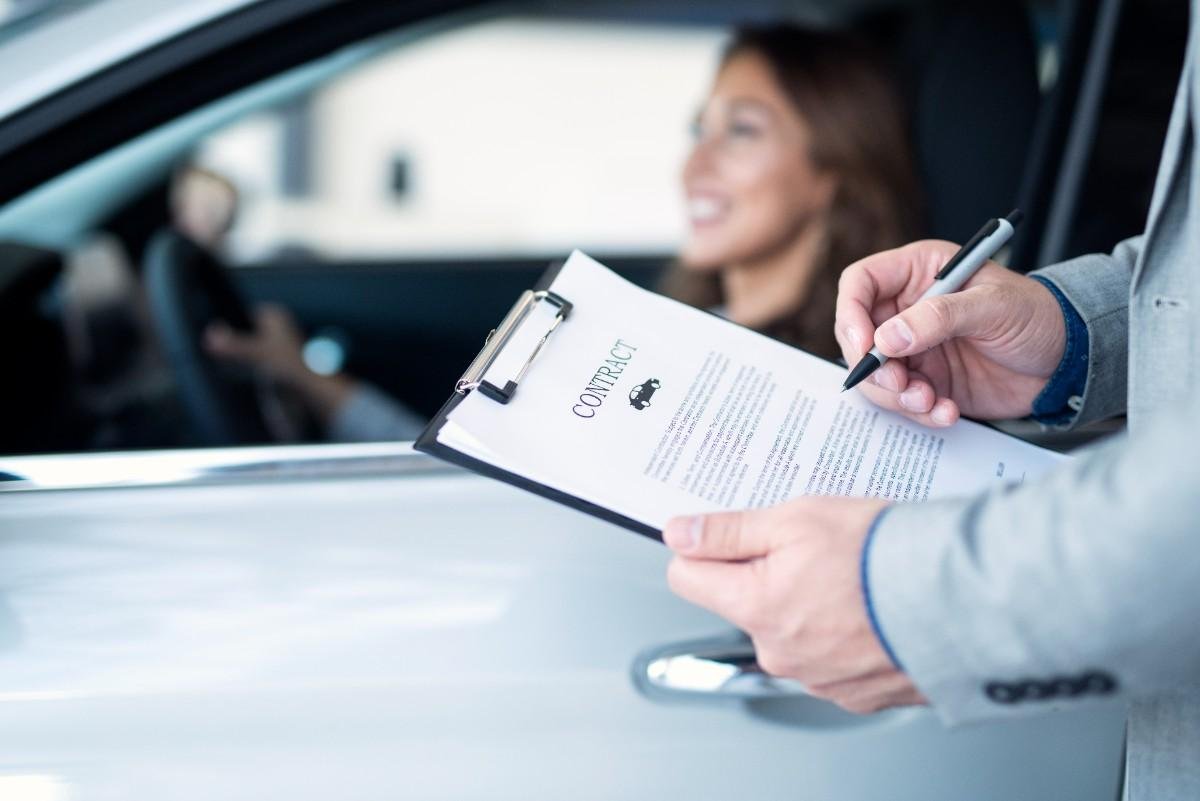
When I rented my first car abroad, I had no idea how much I needed to know about the local laws for renting a car abroad. Picture this: I’m in Italy, standing at the rental counter, feeling confident. That is, until the agent asked for my International Driving Permit (IDP). A bit flustered, I realized I had forgotten to grab one before my trip, which left me in a bit of a bind.

Thankfully, it didn’t ruin my trip, but it was a reminder that understanding local car rental laws before you go can save you a ton of trouble and help you cruise through your vacation without a hitch. Let’s dive into what you need to know to ensure a smooth car rental experience abroad.

Licensing and Identification 

Read to know what documents are needed to rent a car abroad:

Licensing and Identification

International Driving Permit (IDP)

In many countries, having an International Driving Permit (IDP) is a legal requirement in addition to your valid domestic driver’s license. It serves as an official translation of your license and is mandatory in places like Italy, Spain, Japan, Austria, and Thailand. Without it, you could be denied a car rental or face hefty fines if stopped by local authorities.

To get an IDP, you must apply in your home country before leaving. It can’t be obtained abroad. For U.S. residents, the American Automobile Association (AAA) is the primary authorized issuer of IDPs, which cost around $20. It’s valid for one year, so it’s an easy step to take before your trip to avoid any headaches down the road.

Passport Requirements

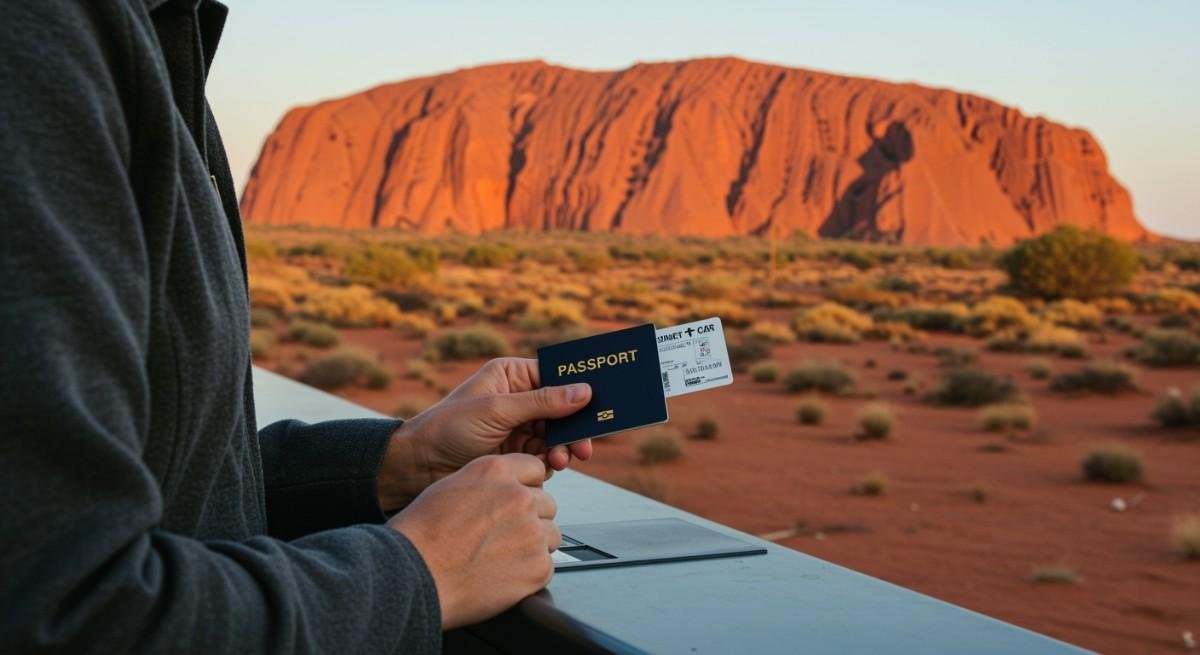
In addition to your driver’s license and IDP, most rental agencies also require a valid passport to verify your identity and visa status. This is especially true in countries with more stringent regulations on foreign drivers. Be sure to have your passport ready when picking up the car, as it’s often used to confirm that your documents are in order.

Age Restrictions

So what are the legal requirements stated by local laws for renting a car abroad?

Minimum Age for Renting a Car

While the legal driving age in many countries is 18, the minimum rental age is often higher. Many countries and rental agencies require drivers to be at least 21 years old to rent a car. Some countries in Europe, like France and Germany, may even require you to be 23 or 25 to rent certain vehicles.

For young drivers under 25, rental agencies frequently impose a young driver surcharge, which adds an extra daily fee to your rental. And keep in mind that luxury or high-performance vehicles are typically off-limits for anyone under 25, regardless of the country.

Maximum Age Limit for Renting a Car

In some countries, there are age limits for car rentals on the other end of the spectrum. For example, in Ireland, individuals over the age of 70 or 75 may be restricted from renting a car. It’s important to check with the rental company beforehand to ensure you meet their age requirements, especially if you’re in the senior age group.

Mandatory Insurance

To receive extra coverage as per local laws for renting a car abroad you can get: 

Mandatory Insurance

Third-Party Liability Insurance

In many countries, third-party liability insurance is a legal requirement and is often included in the base rental rate. This coverage typically protects you in the event of injury or damage to others, and it’s required in most European and Asian countries. However, in some regions, the rental company may offer additional insurance coverage, such as Collision Damage Waiver (CDW) or Theft Protection (TP), which are optional but recommended for peace of mind.

Local Coverage Laws and Credit Card Insurance

Most personal U.S. auto insurance policies don’t provide coverage abroad, so it’s important to check your policy to see if you need to buy additional coverage from the rental agency. Many credit cards, such as those offered by Visa and Mastercard, provide secondary rental car insurance, but keep in mind that you may still be required to purchase basic coverage from the rental agency to comply with local laws.

Cross-Border Regulations

Find out if you can drive your rental car to another country:

Cross-Border Regulations

Authorization and Cross-Border Fees

If you plan to drive into a neighboring country, you must notify the rental agency. In many regions, there are specific documentation requirements or a cross-border fee to ensure the car is legally insured outside the country of origin. This is particularly important when traveling between countries in Europe or Central America, where different insurance regulations apply from one nation to the next.

Restricted Zones

Many countries have designated Low Emission Zones (LEZ) or ZTL (Limited Traffic Zones) that restrict access to certain areas of the city. For example, Italy’s ZTL zones in cities like Florence and Rome can result in heavy automated fines if you drive without a special permit. Make sure to check whether your rental car has the proper authorization to drive into these restricted areas to avoid unwanted fines.

Equipment and Road Rules

What extra gear and rules should you be aware of as per local laws when renting a car abroad:

Mandatory Gear

Some countries require that certain safety equipment be kept in the car at all times. For instance, France used to require drivers to carry a breathalyzer in the vehicle. Although this law is now relaxed. However, it’s still important to know whether you need to have reflective vests, a warning triangle, or other mandatory items in the car, especially if you’re driving in rural areas or along highways.

Traffic Laws You Need to Follow

In addition to gear, familiarizing yourself with local traffic laws is crucial. Speed limits, for example, can vary greatly depending on the country. Many countries have strict blood alcohol concentration (BAC) limits, with some (like Norway and Sweden) setting limits near zero for tourists. It’s also essential to know right-of-way rules for roundabouts, signs, and signals, which can differ dramatically between countries.

Frequently Asked Questions

1. Do I need an IDP to rent a car in the UK?

If you’re from the U.S., an IDP isn’t required to rent a car in the UK. However, having an IDP may be a good idea to make communication easier with local authorities if needed. Make sure your U.S. driver’s license is valid and that you understand the left-side driving rules!

2. Can I drive a rental car from Spain to France?

Yes, you can drive a rental car from Spain to France. However, you must inform your rental agency beforehand to ensure you’re covered with appropriate cross-border insurance. Some rental companies may charge an additional cross-border fee.

3. Is car rental insurance the same everywhere?

No, car rental insurance varies by country. Third-party liability insurance is usually included in the rental rate in most countries. But you may need to purchase additional coverage. Such as Collision Damage Waiver (CDW) depending on the local laws and your personal coverage.

4. What’s the legal driving age in Europe?

The legal driving age is typically 18 in most European countries, but rental agencies often require you to be 21 or older to rent a car. Additionally, drivers under 25 may face young driver fees and restrictions on certain vehicles.

Don’t Let Local Laws Ruin Your Trip!

Navigating local laws for renting a car abroad doesn’t have to be overwhelming. Just set off with the right preparation. You can be sure you’re not caught off guard by unexpected requirements like IDPs or sudden travel insurance costs

A little research goes a long way in ensuring you have the best experience driving abroad. So take the time to understand the local laws and make your trip that much smoother.

So go ahead—hit the road with confidence! And remember, the world is out there waiting for you. So don’t let legal roadblocks get in the way of your next adventure. Safe travels!

New Drug Laws in Mexico for Tourists: What You Need to Know

If you’re planning a trip to Mexico, you’re probably thinking about the gorgeous beaches, lively streets, and flavorful tacos. But before you pack your sunscreen, it’s important to understand one thing—new drug laws in Mexico for tourists. Trust me, I’ve been there. On my first visit, I was enjoying a laid-back evening by the beach when I overheard someone talk about the rules surrounding marijuana. 

It turned out, I wasn’t as informed as I thought. That little realization led me to research Mexico’s drug laws, and I’m here to save you from any confusion. Let’s dive into the new drug laws in Mexico for tourists so you can travel with confidence!

What You Need to Know About Marijuana and CBD in Mexico

While Mexico has made strides toward decriminalizing marijuana for personal use by its citizens, tourists are still subject to strict federal laws.

Recreational Use:

In 2021, the Mexican Supreme Court decriminalized recreational marijuana use for adults, but this ruling applies only to Mexican nationals. 

Strict Prohibitions for Tourists: 

For tourists, any possession or use of marijuana is still illegal, even if it was purchased legally in your home country. It’s crucial to know that bringing marijuana into Mexico is a federal offense that could lead to serious legal consequences including detention and fines.

For those traveling with CBD, it’s a different story. CBD products are generally legal in Mexico as long as they contain less than 0.5% THC (or up to 1% in some regulated categories).

Importing Cannabis: 

If you plan on bringing CBD into the country, make sure to carry it in its original packaging with clear labeling. This will help you avoid any customs issues at the border.

Vaping Restrictions in Mexico for Tourists

Mexico has recently tightened its regulations around vaping as per new drug laws in Mexico for tourists.

Vaping Restrictions in Mexico for Tourists

Import Ban

As of late 2025/early 2026, the country has reinforced a complete ban on the importation and sale of electronic cigarettes and vaping devices. While vaping inside Mexico is not strictly criminalized, bringing a vape device into the country is prohibited and can result in confiscation at customs. If you’re planning to bring your vape, you may be asked to surrender it at the airport or border crossing.

Tourist Ban

If you do choose to travel with a vape device, it’s crucial to remember that it must remain in your luggage and not be used publicly. The safest option? Leave your vape at home and avoid any unnecessary complications during your trip.

Traveling With Prescription Medications

If you rely on prescription medication, it’s important to know the guidelines for bringing these into Mexico. 

Traveling With Prescription Medications

Documentation Required

The first rule of thumb is to always have a physical copy of your prescription, ideally translated into Spanish. This helps prove that the medication is necessary for your health.

Prohibited OTC Meds

Certain over-the-counter medications that contain stimulants, such as those with pseudoephedrine or codeine, are strictly prohibited in Mexico. These medications can lead to serious legal trouble if not declared properly. 

Original Packaging:

Always keep medications in their original packaging with clear labeling, and if you’re carrying a large quantity, make sure it aligns with the legal guidelines for personal use.

Hard Drugs and Hallucinogens: Know the Risks

Find out if hallucinogenic substances are legal in Mexico

Hallucinogenic Substances: Illegal for Tourists

Rituals involving Ayahuasca or Bufo (containing DMT) are illegal in Mexico, despite some indigenous communities practicing them. Tourists caught participating in these activities can face arrest or imprisonment.

Synthetic Drugs: Serious Risks

Synthetic drugs like fentanyl, often found in counterfeit pills, are becoming a major concern. In tourist areas, authorities warn about the dangers of encountering these substances. If offered any drugs outside typical tourist spots, it’s safest to politely decline and walk away.

Penalties for Violating Mexico’s Drug Laws

So what happens if a tourist gets caught with drugs in Mexico?

Penalties for Violating Mexico’s Drug Laws

Consequences of Violating Mexico’s Drug Laws

Violating Mexico’s drug laws can lead to severe consequences for tourists. Foreign nationals caught with illegal substances may face up to two years of detention before a verdict. If convicted, the penalty can be as high as 25 years in prison, particularly for synthetic drugs or narcotics.

Marijuana Possession: Still a Serious Offense

Although marijuana possession for personal use is decriminalized for locals, it remains under a serious local laws for tourists. Even small amounts of marijuana can lead to fines, detainment, or a prolonged legal battle. If you’re in trouble, contact your embassy immediately to secure legal assistance.

Frequently Asked Questions

1. Can tourists use marijuana in Mexico?

No, marijuana use is illegal for tourists in Mexico, even though it is decriminalized for locals. Bringing marijuana into the country can lead to arrest, fines, or deportation. Stick to CBD products that meet legal requirements to avoid any issues.

2. What should I do if I’m caught with drugs in Mexico?

If you’re caught with illegal drugs, you could face detention, fines, and possibly a long prison sentence. The best thing to do is to stay calm, comply with authorities, and contact your embassy for assistance. Be sure to follow the local laws to avoid this situation altogether.

3. Can I bring CBD products into Mexico?

Yes, CBD products are generally legal as long as they contain no more than 0.5% THC (or 1% in certain cases). Ensure that the CBD is in its original packaging and labeled as a dietary supplement to avoid any issues at customs.

4. Are there any restrictions on prescription medication in Mexico?

Yes, you must carry a copy of your prescription, preferably translated into Spanish. Some common medications, like those containing pseudoephedrine or codeine, are banned in Mexico. Always check the rules before bringing medication into the country.

Travel Smart and Stay Safe

Traveling to Mexico should be a carefree and exciting experience, and the last thing you want is to get caught up in a drug-related issue. By understanding the new drug laws in Mexico for tourists, you can ensure that your vacation remains drama-free. Always double-check the rules for marijuana, CBD, prescription medication, and vaping before your trip.

Here’s my final tip—stay informed and respect local laws, and you’ll be free to enjoy the beautiful beaches, amazing food, and rich culture of Mexico. Happy travels.

Local Laws for Tourists in Dubai: What You Need to Know

Visiting Dubai is a thrilling experience, full of culture, adventure, and luxury. But before you start shopping in the world’s tallest skyscrapers or lounging on pristine beaches, it’s crucial to understand the local laws for tourists in Dubai.

As someone who’s traveled there, I can assure you that following the rules is essential to having a stress-free vacation. Dubai has a unique blend of modernity and tradition, and respecting its laws and cultural norms is key to enjoying everything the city has to offer.

What Is the Dress Code for Tourists in Dubai?

When it comes to dress codes, Dubai can be more relaxed compared to other places in the UAE, but there are still important guidelines to follow.

What Is the Dress Code for Tourists in Dubai

In Public Areas

Like malls, markets, and government offices, you’ll need to cover your shoulders and knees. Avoid wearing tight-fitting, transparent, or low-cut clothes in these places.

For Beach or Pool

Swimwear is permitted, but once you leave those areas, make sure to cover up with a cover-up or towel, especially when walking through hotel lobbies or public streets. Topless sunbathing is strictly forbidden.

Visits To Mosques & Religious Sites 

Both men and women are expected to wear loose, conservative clothing that covers their arms and legs. Women will also need to wear a headscarf.

What Are the Rules for Public Behavior in Dubai?

Local laws for tourists in Dubai regarding Public displays of affection (PDA) in Dubai are a sensitive topic. While holding hands is generally accepted, especially for married couples, kissing or hugging in public can lead to fines or even arrest. It’s best to save those gestures for private spaces.

What Are the Rules for Public Behavior in Dubai

Swearing or using rude gestures, even in moments of road rage, is considered offensive and could result in fines, jail time, or deportation. So, while it can be easy to let emotions get the best of you, it’s better to keep your cool.

Public intoxication is illegal in Dubai, and if you’re caught drunk in public, you could face legal consequences. If you’re drinking, always take a taxi or ride-sharing service back to your hotel. It’s important to note that respecting the local culture, religion (Islam), and the UAE government is essential.

Any form of criticism or disrespect, especially towards the royal family, can result in severe consequences, including legal action.

During Ramadan (expected from Feb 19 – Mar 20, 2026), tourists must refrain from eating, drinking, or smoking in public during daylight hours. This is a sign of respect for those who are fasting.

What Are the Laws Regarding Alcohol and Drugs in Dubai?

Alcohol is available in licensed venues such as hotels, bars, and clubs, but you must be at least 21 years old to consume it. Drinking alcohol in public places, such as streets, beaches, or parks, is strictly prohibited, so always ensure you’re in a designated venue.

Dubai has a zero-tolerance drug policy. Even trace amounts of illegal substances can lead to severe penalties, including long prison sentences or deportation. It’s essential to know that even legal medications can be problematic if they contain banned substances.

For tourists bringing medications into Dubai, make sure to double-check the regulations. Certain prescription medications commonly found elsewhere.  Such as some painkillers and anti-anxiety medications, are controlled or banned in the UAE.

Always check the UAE Ministry of Health website before traveling and carry your medications in their original packaging along with a valid doctor’s prescription and letter.

How Can Tourists Navigate Photography and Social Media Laws in Dubai?

Photography in Dubai can be tricky, especially when it comes to photographing people. Be mindful of what you post online, and remember that what you share can have real-world consequences.

How Can Tourists Navigate Photography and Social Media Laws in Dubai

  • Always ask for explicit permission before photographing someone, especially women and families.
  • You also want to avoid snapping pictures of government buildings, military installations, airports, or scenes of accidents. This can lead to legal trouble.
  • Social media is also closely monitored, and sharing inappropriate content or insulting the country or its leaders can lead to serious legal action under the UAE’s cybercrime laws. 

How to Stay on the Right Side of Dubai’s Local Laws as a Tourist

Navigating the safety laws of Dubai might feel a bit intimidating, but don’t worry—it’s easy to follow these rules as long as you’re aware of them. Here’s a quick step-by-step guide:

  • Dress Modestly: Stick to the dress code for religious sites and public spaces. You can show more skin at the beach or pool, but cover up when walking around the city.
  • Respect Local Culture: Keep public displays of affection to a minimum and avoid any offensive language or gestures in public. Always respect the local customs especially during Ramadan.
  • Drink Responsibly: Only consume alcohol in licensed venues and never drink in public spaces. Use taxis or ride-sharing services to get home safely if you’ve been drinking.
  • Respect Photography Rules: Always ask for permission before taking pictures of people, and steer clear of photographing sensitive locations. Be mindful of your social media presence and avoid posting anything disrespectful.

Frequently Asked Questions

1. Can tourists drink alcohol in Dubai?

Yes, but only in licensed venues such as hotels, bars, and clubs. You must be over the age of 21, and consuming alcohol in public spaces like parks or beaches is strictly prohibited.

2. What happens if I break the dress code in Dubai?

If you don’t follow the dress code, you could face a warning or be asked to leave public places like malls, restaurants, or government buildings. It’s best to err on the side of modesty to avoid any issues.

3. Is it okay to use social media in Dubai?

Yes, you can use social media, but you need to be mindful of what you post. Sharing content that disrespects the UAE government, its leaders, or the country’s culture can lead to legal consequences. Always think twice before posting anything potentially offensive.

Enjoy Dubai by Respecting Its Laws

Dubai is a fascinating blend of old-world traditions and cutting-edge modernity, and it’s one of the most dynamic places you’ll ever visit. While there’s so much to explore from luxury shopping and world-class dining to golden beaches and breathtaking skylines, respecting the local laws for tourists in Dubai.

This will make sure your trip remains hassle-free. So, keep the dress codes in mind, be thoughtful of public behavior, enjoy responsibly, and keep your social media posts in check. Follow the rules, and you’ll have an unforgettable time in this incredible city!

Americans Driving in the UK for the First Time: A Complete Guide

Driving in a foreign country can feel intimidating, and for many travelers, Americans driving in the UK for the first time face a unique learning curve.

 From driving on the left side of the road to navigating endless roundabouts, the UK road system differs enough from the United States to cause stress without proper preparation.

That said, driving in the UK can also be one of the most rewarding ways to explore the country. Scenic countryside routes, historic villages, and remote landmarks are often difficult to reach by public transport. With the right knowledge and mindset, driving becomes less stressful and far more enjoyable.

This guide walks you through everything you need to know before getting behind the wheel. Whether you are planning a short road trip or an extended journey, this article will help you drive legally, confidently, and safely.

What Americans Should Know Before Driving in the UK

Before renting a car, it is important to understand the basic legal and practical requirements of driving in the UK. While many rules are similar to those in the United States, the differences matter and are strictly enforced.

The UK relies heavily on automated enforcement systems rather than visible police presence. This makes it essential to understand the rules before driving, as violations often result in fines that appear later.

Driving License and Legal Requirements

Visitors from the United States can legally drive in the UK using a valid full U.S. driving license for up to 12 months. The license must be current and match the name on the traveler’s passport.

An International Driving Permit is not legally required if the license is written in English. However, some rental agencies may request one, making it a useful backup document.

Car insurance is legally required for all drivers. Rental cars include at least basic third-party insurance, but additional coverage options vary by provider.

Renting a Car in the UK as an American

Renting a car in the UK is straightforward and similar to the process in the United States. Major airports and cities offer a wide range of rental companies and vehicle options.

A valid driver’s license, passport, and credit card are required. Some companies apply age restrictions or additional fees for younger drivers.

Manual vs Automatic Cars in the UK

One of the most important decisions when renting a car is choosing between a manual and an automatic transmission.

Manual cars are far more common in the UK and are typically cheaper to rent. However, for Americans driving in the UK for the first time, an automatic car is often the safer and less stressful option.

Driving on the left already requires mental adjustment. Adding manual gear changes with the opposite hand can increase fatigue and reduce focus.

 If you are not completely comfortable with a manual transmission, paying extra for an automatic is a practical choice.

Fuel Differences Americans Notice Immediately

Fuel Differences Americans Notice Immediately

Fuel is sold by the liter rather than the gallon, and prices often appear higher than in the United States. This can be surprising at first, but the difference is mainly due to measurement units and taxation.

Fuel efficiency is especially important in the UK. Choosing a smaller or hybrid vehicle can significantly reduce costs over the course of a trip.

Another key difference is fuel type. Diesel vehicles are more common than in the U.S., so drivers should always confirm the correct fuel before refueling.

Miles, Not Kilometers

Although the UK is part of Europe, speed limits and road distances are measured in miles rather than kilometers.

Speedometers, road signs, and distance markers all use miles per hour. Fuel, however, is measured in liters, which can feel confusing initially but becomes intuitive with experience.

Driving on the Left Side of the Road

One of the biggest adjustments for Americans is driving on the left side of the road. The steering wheel is positioned on the right side of the vehicle, which can feel unnatural at first.

Extra caution is needed when pulling out of parking areas, turning at intersections, and navigating narrow roads. Quiet roads are ideal for building confidence early on.

With focus and practice, most drivers adapt quickly and begin to feel comfortable within a short time.

Understanding UK Road Types

The UK road network is clearly categorized, making it easier to anticipate driving conditions.

Motorways, identified by the letter M, are similar fastest roads in U.S. interstates. They are well maintained and usually free of tolls.

A roads are major routes connecting cities and towns. They may include traffic lights, intersections, and roundabouts.

B, C, and D roads are smaller and often rural. These roads are slower, narrower, and more scenic, offering some of the most memorable driving experiences.

Lane Markings and Road Lines Explained

All lane markings in the UK are white, unlike the mix of yellow and white lines in the United States.

A solid white line on the left marks the edge of the road. If this line appears on your right, you are traveling in the wrong direction.

Dashed lines separate lanes moving in the same direction and allow passing when safe. Longer lines with shorter gaps indicate hazards ahead and should be crossed with caution.

How Roundabouts Work in the UK

Roundabouts are common throughout the UK and replace traditional intersections.

Vehicles entering the roundabout must yield to traffic approaching from the right. Movement around the roundabout is always clockwise.

Using turn signals is essential. Signal right when continuing around the roundabout and signal left just before exiting.

One advantage of roundabouts is flexibility. If you miss your exit, you can simply continue around until you reach it again.

Speed Limits and Speed Cameras

Speed Limits and Speed Cameras

Speed limits in the UK are enforced primarily through automated cameras rather than police stops.

Built-up areas usually have a speed limit of 30 mph, with lower limits common in residential zones.

Single carriageways generally allow speeds up to 60 mph, while dual carriageways and motorways are limited to 70 mph unless otherwise posted.

Speed cameras are widespread, and fines issued to rental cars are passed on to the driver along with administrative fees.

Pedestrians and Crosswalk Rules

Pedestrians have strong legal protections in the UK. At zebra crossings, drivers must stop when pedestrians are crossing or waiting to cross.

Other crossing types are controlled by traffic lights and signage. Drivers are expected to slow down and remain alert in pedestrian-heavy areas.

Failing to yield can result in fines and penalties, making patience essential.

Mobile Phones, Seat Belts, and Alcohol Laws

Mobile Phones, Seat Belts, and Alcohol Laws

Using a handheld mobile phone while driving is illegal. Hands-free use is permitted, but drivers can still be penalized if distracted.

Seat belts are mandatory for all occupants. Children must use approved child safety seats based on height and age requirements.

Drink-driving laws are strict. Even small amounts of alcohol can result in penalties, making it safest to avoid drinking before driving.

When Honking Is Allowed in the UK

Horn use is restricted and should only be used to warn other road users of danger.

Honking out of frustration or impatience is discouraged and can result in penalties. Horn use is also restricted late at night in built-up areas unless there is an emergency.

Navigation Tips for Driving in the UK

Navigation apps such as Google Maps and Waze are reliable but require attention, especially at roundabouts.

Listening for exit numbers rather than street names helps prevent missed turns. Having a passenger assist with navigation can significantly reduce stress.

Offline maps are useful in rural areas with limited mobile signal.

Frequently Asked Questions

1.Can Americans legally drive in the UK with a U.S. license?

Yes, Americans can drive in the UK for up to 12 months using a valid full driver’s licence in united states.

2.Is an International Driving Permit required in the UK?

An International Driving Permit is not legally required but may be requested by some rental companies.

3.Is driving in the UK difficult for Americans?

Driving in the UK requires adjustment, especially driving on the left, but most Americans adapt quickly.

4.Are UK roads safe for visitors?

UK roads are well maintained, but narrow roads and roundabouts require attention and patience.

5.Do Americans need special insurance to drive in the UK?

Rental cars include basic insurance, but additional coverage is recommended for peace of mind.

Final Thoughts on Americans Driving in the UK for the First Time

For many travelers, Americans driving in the UK for the first time find the experience far less intimidating than expected. While road rules and driving habits differ from the United States, the system is logical and well organized.

With preparation, awareness, and respect for local laws, driving in the UK becomes an enjoyable way to explore the country. The freedom to travel beyond major cities and experience the countryside makes the effort worthwhile.

Approach the journey calmly, take time to adjust, and enjoy the drive.

U.S. Pet Travel Laws in 2026: What You Need to Know

Traveling with your pet can be a smooth and enjoyable experience, but it’s important to understand the U.S. pet travel laws to ensure you and your furry companion meet all legal requirements. In 2026, U.S. pet travel laws have evolved with updates from the CDC, USDA APHIS, and various state regulations, especially concerning dogs and other pets entering or leaving the country. This guide will help you navigate these laws, including the CDC Dog Importation Rule, interstate travel, and airline pet policies.

1. Bringing Pets into the U.S. (Import/Return)

Bringing Pets into the U.S.

The regulations surrounding pets entering or returning to the U.S. are primarily enforced by the CDC and USDA APHIS. All animals entering the U.S. must appear healthy, and if any signs of illness are present, further examination by a licensed veterinarian may be required.

CDC Dog Importation Rules (Effective 2026)

As of 2026, the CDC enforces strict regulations for dogs entering the U.S. from any country. These include the following baseline requirements:

  • Age: Dogs must be at least 6 months old at the time of entry.
  • Microchip: The dog must have an ISO-compatible microchip for identification.
  • CDC Dog Import Form: All dog owners must complete this form online and present the receipt upon arrival.
  • Rabies Vaccination:
    • Low-Risk Countries: Dogs that have spent the last 6 months in rabies-free or low-risk countries do not require a rabies vaccination certificate but must complete the CDC Dog Import Form.
    • High-Risk Countries: Dogs from high-risk areas must have a valid Certification of Rabies Vaccination (either U.S.-issued or foreign), and they may be required to undergo a rabies titer test or quarantine at a CDC-registered animal care facility.

Cats

The CDC does not require a rabies vaccination certificate for cats entering the U.S. However, many states and airlines do require rabies vaccinations for cats, so it’s important to check with the relevant authorities before traveling.

2. Domestic (Interstate) Pet Travel

In the U.S., interstate pet travel is governed by state regulations

In the U.S., interstate pet travel is governed by state regulations, as the federal government (USDA APHIS) does not directly regulate pet movement between states.

Health Certificates and State Requirements

While the USDA APHIS does not mandate certificates for pets traveling within the U.S., many states require a Certificate of Veterinary Inspection (CVI), which is typically issued within 30 days of travel, or 10 days for air travel.

  • Hawaii & Guam: These regions are designated as “rabies-free” zones and have strict quarantine laws. Travelers with pets must often provide multiple rabies vaccinations, a passing titer test, and comply with specific entry requirements to avoid a 120-day quarantine.

3. Airline and Commercial Carrier Laws

Traveling by air with your pet involves additional regulations. The Department of Transportation (DOT) and Animal Welfare Act set guidelines for how pets should be handled on flights.

Service Animals vs. Emotional Support Animals (ESAs)

  • Service Animals: Only trained dogs that assist with a physical or mental disability are legally recognized as service animals and are allowed to travel in-cabin for free under the DOT rules.
  • Emotional Support Animals (ESAs): Airlines are not required to treat ESAs as service animals. They typically treat ESAs like regular pets, subject to airline fees and carrier restrictions.

Pet Travel Age Limits

According to the Animal Welfare Act, pets must be at least 8 weeks old and weaned for at least 5 days before they are allowed to travel by air. This ensures their safety and well-being during the journey.

Acclimation Certificates

If your pet will be exposed to temperatures below 45°F (7°C) during transport, many airlines will require a certificate from a veterinarian stating that your pet can safely handle such conditions.

4. Taking Pets Abroad (Export)

Taking Pets Abroad

When taking your pet outside of the U.S., there are additional export regulations that must be followed. Each country has its own set of rules, but most will require that your pet meets specific health requirements, such as microchipping and vaccinations.

Destination Country Requirements

Before traveling internationally, you must research the pet import regulations of your destination country. This usually includes vaccinations like DHLPP for dogs or FVRCP for cats and often requires a USDA-endorsed international health certificate.

  • USDA Endorsement: Many international health certificates must be signed by a USDA-accredited veterinarian and then endorsed (stamped) by USDA APHIS to be valid.

Frequently Asked Questions (FAQs)

1. Do I need a health certificate for my pet to travel within the U.S.?

In most cases, pets traveling within the U.S. don’t require a health certificate. However, certain states may require a Certificate of Veterinary Inspection (CVI), especially for air travel. Always check with your airline and state authorities.

2. What are the requirements for traveling with pets to Hawaii?

Hawaii has strict quarantine laws due to its rabies-free status. Pets must meet multiple requirements, including rabies vaccinations, titer tests, and passing quarantine, unless all requirements are met before arrival.

3. Can my emotional support animal fly with me?

Airlines are no longer required to recognize emotional support animals (ESAs) as service animals. They are typically treated like regular pets and subject to fees and carrier restrictions, unless you are flying with a service dog.

4. What documents do I need to take my dog abroad?

When traveling abroad, you’ll likely need to provide proof of vaccinations, a microchip for identification, and a USDA-endorsed health certificate. Be sure to verify the specific requirements of the country you are traveling to.

Conclusion

Navigating U.S. pet travel laws in 2026 requires understanding a mix of federal regulations, state laws, and airline rules. Making sure you follow all legal regulations will make your trip easier, whether you’re bringing your pet into the United States, traveling domestically, or taking them overseas. Be sure to check with airlines, state authorities, and the CDC for the most up-to-date information before you travel with your furry companion.

Gun Laws While Traveling by Car: What You Need to Know

Picture this: you’re all packed and ready for your cross-country road trip, music blasting, snacks at arm’s reach, but then you suddenly realize it: What are the gun laws while traveling by car? Can I carry my firearm across state lines? Do I need a permit? It’s not just a random thought; it’s essential to understand the rules before you get behind the wheel with your firearm. 

Gun laws for traveling by car can be complicated. Navigating a patchwork of varying state regulations, combined with federal protections, means you need to be prepared. So let’s clear things up. Here’s everything you need to know to make sure your travels are safe, legal, and stress-free.

Why Do Gun Laws While Traveling by Car Vary So Much?

When you’re hitting the road with your firearm, it’s crucial to understand that gun laws are not the same across the U.S. Every state has its own set of rules about what you can and can’t do when traveling with a firearm.

This creates a patchwork of laws that vary greatly from state to state. For example, while carrying a gun in Texas might be as simple as following basic storage rules, states like California or New Jersey have strict rules that could leave you facing serious legal issues.

In short, the rules you need to follow depend on where you’re traveling. Federal law provides a framework for firearm transport through states, but each state enforces its own restrictions. So, how do you know what’s legal? That’s where understanding the Firearm Owners’ Protection Act (FOPA) and checking local laws come in handy.

How to Legally Carry Your Firearm While Traveling by Car

The first thing you need to understand is that the Firearm Owners’ Protection Act (FOPA) helps protect you when you’re traveling with a firearm through states where it may not be legal. However, FOPA protection only applies under certain conditions. Here’s the breakdown of how to legally carry your firearm while driving:

How to Legally Carry Your Firearm While Traveling by Car

1. Make Sure It’s Legal at Both Ends

Before hitting the road, make sure possessing a firearm is legal in both the state you’re leaving from and the state you’re traveling to. If it’s not legal at your destination, FOPA protection doesn’t apply.


2. Unload Your Gun

Your firearm must be unloaded. Federal law also requires that both your gun and ammunition be in a locked container, out of reach from the driver or passengers. This means no storing it in the glove box or the center console.


3. Keep the Firearm Stored Correctly

To stay in compliance, the firearm must be locked up in the trunk or another inaccessible part of the vehicle. Keeping it within arm’s reach or in the passenger compartment could be a violation.


4. Stay on Track

FOPA only protects “uninterrupted travel.” This means that if you stop for things like sightseeing or a family visit, you could lose FOPA protection.

Common State Restrictions About Gun Laws While Traveling by Car

While federal law provides some protection, states like New York, New Jersey, and California may still enforce their own rules. These states are known for their strict gun laws, and if you’re passing through them, it’s essential to be extra cautious.

Common State Restrictions About Gun Laws While Traveling by Car

  • Permit Reciprocity: Some states, like Texas, honor concealed carry permits from other states, while California does not recognize out-of-state permits. You’ll need to check if your permit is valid in the states you plan to travel through. 
  • Definition of Loaded: What constitutes a “loaded” firearm can vary. In some states, a gun might be considered “loaded” even if it’s not chambered, as long as the ammunition is easily accessible. 
  • Duty to Inform: In many states, if you’re stopped by law enforcement, you must immediately inform the officer that you’re carrying a firearm. Not doing so could lead to legal trouble. 
  • Magazine Capacity: Even if your firearm is legal, states like California and New York may limit the number of rounds your magazine can hold, typically restricting it to 10 or 15 rounds.

How to Stay Safe and Compliant While Traveling with a Firearm

When it comes to traveling with a firearm, there’s no such thing as being too careful. Follow these best practices to ensure you’re traveling safely and legally:

How to Stay Safe and Compliant While Traveling with a Firearm

  • Use a Locked Case: Always store your firearm in a locked, hard-sided container—preferably in your trunk. This keeps you in compliance and ensures your firearm stays secure. 
  • Separate Your Ammo: While not always federally required, it’s a good idea to store your ammunition in a separate locked container from your firearm. This adds an extra layer of security. 
  • Check Reciprocity Maps: Before you even leave your driveway, use tools like the USCCA Reciprocity Map or Handgunlaw.us to verify if your concealed carry permit is valid in the states you’ll be passing through. 
  • Avoid Prohibited Zones: Be aware that some areas, like schools, government buildings, and private properties (such as Disney World), prohibit firearms. Make sure to plan your route carefully to avoid these zones.

Frequently Asked Questions

1. Can I carry my gun across state lines without a permit?

It depends on the states you’re traveling to and from. Federal law under FOPA allows for the transport of firearms across state lines if the journey is uninterrupted, but you’ll need to ensure that the laws in both your origin and destination states allow it. States like Texas and Arizona may allow interstate travel with fewer restrictions, but others may require a concealed carry permit.

2. What should I do if I’m stopped by police while carrying a firearm?

If you’re stopped by law enforcement, always inform the officer immediately that you’re carrying a firearm. Keep your hands visible, follow the officer’s instructions, and never attempt to access your weapon without permission. Each state has different rules on whether you need to provide your concealed carry permit upon request, so be sure you know the laws of the state you’re in.

3. What’s the best way to store a gun in my car during a road trip?

The safest and most legal way to store a gun in your car is to keep it unloaded and in a locked, hard-sided container in your trunk or another area out of reach from the driver or passengers. Make sure the ammunition is stored in a separate locked container. This keeps you compliant with federal and state laws and ensures your firearm is secure.

Stay Safe and Know the Law Before You Hit the Road

When it comes to gun laws while traveling by car, knowledge is your best defense. By following federal regulations and understanding the specific laws of each state you’re passing through, you can avoid unnecessary legal issues and enjoy a smooth, hassle-free road trip. Always remember to check state reciprocity, store your firearm safely, and stay informed about the rules of the road.

And, most importantly, stay safe and respect the laws because no one wants their vacation cut short by a run-in with the law. Pack up, plan ahead, and get ready to hit the road with confidence.

Driving Laws for Tourists in the UK: The Ultimate Guide

Driving laws for tourists in the UK are essential to understand before you hit the road, especially if you plan to explore beyond city centers.

The UK road system operates differently from many countries—most notably with driving on the left-hand side of the road—and has specific legal requirements that tourists must follow.

This comprehensive guide is created to be SEO optimized, date-free, and ready to rank and publish, offering clear explanations of the most important rules, requirements, and best practices for tourists driving in the United Kingdom.

Whether you are planning a short vacation, a business trip, or a longer stay, this guide will help you navigate the legal framework so you can drive confidently and legally throughout the UK.

Understanding Driving Laws for Tourists in the UK

Tourist driving laws in the UK define who can legally drive, what documents are required, and how foreign licences are treated. These laws work alongside general traffic regulations designed to promote safety and order on UK roads.

Driving laws for tourists in the UK are designed to balance the freedom to travel with road safety and regulatory compliance. Before you plan your trip, it is important to know what you must carry, what you must follow, and how to avoid common pitfalls.

Legal Requirements for Tourists Driving in the UK

Legal Requirements for Tourists Driving in the UK

Tourist drivers must comply with legal requirements that apply to all road users. These include age limits, valid documentation, and vehicle compliance.

Minimum Age and Driving Eligibility

In the UK, the legal minimum age for driving a car is set by law and applies equally to residents and tourists. The age requirement ensures that drivers have reached a level of maturity and responsibility before taking on the task of driving on public roads.

While the legal minimum age allows you to drive, many car rental companies set their own age requirements, often requiring drivers to be older than the legal minimum and sometimes charging additional fees for younger drivers.

Documentation You Must Carry

Tourists driving in the UK must carry certain documents to prove that they are legally allowed to drive and that their vehicle meets safety and insurance requirements.

Documents you must carry include:

  • A valid driving licence
  • Proof of identity (such as a passport)
  • Proof of vehicle insurance

Failure to produce these documents when requested by law enforcement can result in penalties or vehicle impoundment.

Foreign Driving Licences and Tourist Driving Laws

Tourist drivers must understand how their foreign driving licences are treated under UK law. The UK recognises overseas licences but applies different rules depending on the licence’s country of origin.

Driving with a Foreign Licence

Tourists can use their foreign driving licence while in the UK. The licence must be valid and recognised under UK law. The UK categorises foreign licences into groups based on reciprocal agreements and licensing standards.

Many countries’ licences are recognised for use without exchange, allowing tourists to drive with their home licence as long as it remains valid.

When You Must Exchange Your Licence

Some foreign licences are eligible to be exchanged for a UK licence without taking a driving test. This typically depends on whether the licence is from a country with a reciprocal agreement. Tourists who plan long stays or residency should verify whether they can exchange their licence and the associated conditions.

International Driving Permit (IDP) Requirements

Depending on where your driving licence was issued, you may be required to carry an International Driving Permit (IDP) in addition to your home licence. An IDP serves as a translated version of your licence and may be requested by car rental companies or law enforcement.

Vehicle Requirements and Compliance for Tourists

Vehicle Requirements and Compliance for Tourists

Tourist drivers must ensure that the vehicle they are driving complies with UK laws. This applies whether the vehicle is hired locally or brought from abroad.

Rental Vehicles

When renting a car, tourists should confirm that the vehicle meets all legal standards in the UK, including insurance coverages, taxation, and safety standards. Most reputable rental companies provide vehicles that meet or exceed these requirements.

Driving Foreign-Registered Vehicles

Tourists may bring a foreign-registered vehicle into the UK. In such cases, the vehicle must be properly registered and insured according to UK regulations. There may be limits on how long a foreign-registered vehicle can be used on UK roads without registration.

Insurance Requirements

Driving without valid insurance is illegal in the UK. Tourist drivers must ensure that the vehicle they are driving is insured for use in the UK. Proof of insurance must be carried at all times.

Core Driving Rules Every Tourist Must Follow

In addition to legal eligibility and documentation, there are many rules that govern how all drivers must behave on UK roads.

Driving on the Left

One of the most fundamental driving laws for tourists in the UK is that all vehicles must be driven on the left-hand side of the road. This rule applies to all roads and is strictly enforced.

Tourists from countries where right-hand driving is the norm may need time to adjust, especially at junctions and roundabouts.

Speed Limits

Speed limits in the UK are clearly marked and must be followed. These limits vary based on road type and location. On urban streets, lower speed limits are used, while higher limits apply on major highways.

Tourists should always obey signage and adjust their speed for road conditions.

Roundabouts and Priority Rules

Roundabouts are used extensively in the UK and operate on a give-way rule. Drivers must give way to traffic already on the roundabout and yield to vehicles approaching from the right.

Roundabout navigation requires careful attention to lane marking and signals.

Mobile Phone Use

Using a handheld mobile phone while driving is prohibited in the UK. This includes calling, texting, or using apps. Hands-free devices may be permitted, subject to local laws.

Seat Belts and Child Restraints

Seat belts are mandatory for all passengers and drivers. Special child restraints are required for younger passengers. These safety measures help reduce the severity of injuries in the event of a collision.

Special Traffic Zones Affecting Tourists

Tourist drivers need to be aware of special traffic zones that impose additional rules or charges.

Congestion Zones

Many UK cities operate congestion zones where drivers must pay a fee to enter certain urban areas during peak times. Tourist drivers should familiarise themselves with maps and payment requirements to avoid fines.

Low Emission Zones

Low Emission Zones aim to reduce pollution in city centres by charging vehicles that do not meet emissions standards. Charges may apply throughout the day and in some cases around the clock.

Parking Restrictions

Parking laws in the UK include restrictions based on road markings and signage. Tourists should pay attention to yellow lines, red routes, and other indicators to avoid fines.

Road Signs and Understanding UK Signage

Road Signs and Understanding UK Signage

Clear understanding of road signs is critical for safe driving. UK road signs use international symbols and colours to indicate speed limits, hazards, directions, and restrictions.

Tourists should familiarise themselves with common UK road signs before driving.

Common Penalties and Enforcement

Tourist drivers must understand the consequences of breaking driving laws in the UK. Penalties may include fines, penalty points on your driving record, vehicle impoundment, or even criminal charges in severe cases.

Common offences such as speeding, running red lights, or driving without insurance are strictly policed.

Tips for Tourists Driving in the UK

Driving in a foreign country can be intimidating. Tourists should take time to:

  • Plan routes in advance
  • Avoid driving in heavy traffic during peak hours
  • Stay alert for cyclists and pedestrians
  • Obey all signage and local traffic laws

Familiarity with local rules will improve road safety and ensure a pleasant driving experience.

Frequently Asked Questions 

1.What documents do tourists need to drive in the UK?

Tourists must carry a valid driving licence, proof of insurance, and proof of identity such as a passport.

2.Can tourists use their home driving licence in the UK?

Yes, tourists can use their valid home driving licence in the UK subject to certain country-based conditions.

3.Is an International Driving Permit required?

An International Driving Permit may be required depending on the country of issue of your home licence.

4.Are there special charges for driving in cities?

Yes, some urban areas charge fees for congestion or low-emission zones that tourists must pay if they plan to enter these zones.

5.What happens if driving laws are broken?

Penalties can include fines, points on your licence, vehicle impoundment, and more severe consequences for serious violations.

Conclusion: Navigating Driving Laws for Tourists in the UK

Understanding driving laws for tourists in the UK is critical for a safe and lawful driving experience. From licence requirements and documentation to road rules and special traffic zones, every aspect plays a role in ensuring your journey is smooth and trouble-free.

Tourist drivers who familiarise themselves with these laws can enjoy the freedom to explore the UK’s picturesque landscapes and bustling cities with confidence.

Do US Citizens Need a Visa to Visit Japan?

If you’re planning a trip to Japan, one of the first questions on your mind may be: do US citizens need a visa to visit Japan? The good news is that most U.S. passport holders do not need a visa for short-term travel to Japan for tourism or certain business purposes — but there are important details to know before you book your flight. 

Below is an up-to-date, accurate, and detailed guide to help you understand Japan’s entry rules, what counts as a visa‑free stay, and when you do need a visa — so you can travel with confidence.

🇯🇵 Visa Exemption for U.S. Citizens: What You Need to Know

🇯🇵 Visa Exemption for U.S. Citizens What You Need to Know

Visa-Free Entry: Up to 90 Days

U.S. citizens do not need a visa to visit Japan for short stays of 90 days or less for tourism, sightseeing, visiting family or friends, attending events, or short business meetings — as long as you aren’t being paid by a Japanese employer during your stay.

This visa exemption comes from a reciprocal agreement between the U.S. and Japan. Under this arrangement:

  • Your U.S. passport must be valid for the duration of your stay.
  • You may be asked to show proof of onward travel (like a return flight ticket).
  • You must enter Japan before the 90‑day period ends — extensions are rarely granted from within Japan.

Key point: Short stays under 90 days do not require a visa if purpose is tourism, certain business activities, or visiting friends/family without paid work.

What Counts as Visa‑Free Travel?

Here are some examples of what you can do in Japan without a visa:

Tourism and Sightseeing

Explore Japan’s gardens, temples, food scenes, and cultural sites.

Short Business Activities

Attend meetings, conferences, trade shows, or business negotiations as long as you don’t receive compensation from a Japanese employer.

Visiting Friends & Family

Meet loved ones or attend personal gatherings. 

Transit Through Japan

If you’re in Japan only to connect to another destination, and you pass through immigration, you usually don’t need a visa (for U.S. citizens) as long as the stay is < 90 days. 

When Do U.S. Citizens Need a Visa?

When Do U.S. Citizens Need a Visa to visit Japan

While most short stays are visa‑free, you must apply for a visa in advance if any of the following apply:

Your Trip Will Be Longer Than 90 Days

If you plan to stay in Japan for more than 90 days — for example, for study, long‑term work, or extended family visits — you’ll need the appropriate visa. 

You Will Work, Study, or Be Remunerated

Engaging in paid employment, internships, language study programs, or working remotely for a Japanese company generally requires a visa. Short remote work without local hire rules can be nuanced — check with the consulate. 

Special Activities or Permits

If your stay involves medical treatment, performance contracts, or other specialized activities not covered under the standard visa exemptions, a specific visa may be required.

Entry Requirements Beyond Visas

Even if you don’t need a visa, you must still meet Japan’s entry requirements:

  • Valid passport for your full stay. 
  • One blank passport page for entry/exit stamps. 
  • Completed arrival forms (Immigration and Customs Declaration) upon landing.
  • Proof of onward travel if requested by immigration officers. 

Be sure your passport is in good condition and has enough blank pages before traveling.

Recent Changes & eVisa Options

Recent Changes & eVisa Options for Japan

Japan’s eVisa (electronic visa) system is expanding and may become available for certain travelers, including U.S. residents, though it’s not necessary for standard 90‑day visa‑free stays. An eVisa can be applied online if you require a visa.

Frequently Asked Questions

1. Do US citizens need a visa to visit Japan if it’s just a holiday?

No — U.S. citizens can enter Japan visa‑free for up to 90 days for tourism or holiday purposes. 

2. Can I work in Japan without a visa if I’m employed by a U.S. company and working remotely?

Generally, remote work for a foreign employer isn’t covered under the visa exemption if it involves local hire or payment from Japan, so you should check with the Japanese consulate to confirm whether a specific visa is needed. 

3. What happens if I want to stay in Japan longer than 90 days?

If you plan to stay longer than 90 days, whether for study, work, or extended travel, you’ll need to apply for a long‑term visa before traveling. 

4. Do children with U.S. passports also get visa‑free access to Japan?

Yes — minors and babies with a valid U.S. passport enjoy the same 90‑day visa‑free entry as adults. 

Summary: Do US Citizens Need a Visa to Visit Japan?

In short: U.S. citizens do not need a visa to visit Japan for most short stays up to 90 days for tourism, certain business purposes, or visiting family. This visa‑free entry makes Japan one of the more accessible international destinations for U.S. travelers, but be sure you meet all entry requirements — including passport validity and purpose of travel. 

Knowing the visa requirements will make your vacation to Japan less stressful and more exciting, whether you want to see Kyoto’s temples or Tokyo’s neon streets.

How to Get an International Driving Permit in 2026: A Complete Guide for US Citizens

Planning a trip abroad and thinking about driving while you’re there? An International Driving Permit (IDP) is necessary in many nations, in case you’re traveling throughout Asia, renting a car in Europe, or taking a road trip throughout Australia. If you’re wondering how to get an international driving permit, you’ve come to the right place. 

Everything you need to know about applying for an IDP as a citizen of the United States is included in this blog, along with a quick overview of the procedure in other significant nations including the UK, Australia, and India.

An IDP translates your U.S. driver’s license into multiple languages, making it easier to navigate foreign roads and comply with local driving laws. Let’s lead you through the easy steps to obtain your own IDP in this post, along with an explanation of its validity and important driving tips.

What is an International Driving Permit (IDP)?

An International Driving Permit is a legal document that allows you to drive in foreign countries while your domestic driver’s license serves as the proof of your driving ability. It’s recognized in over 150 countries and is often required by car rental agencies, border authorities, and law enforcement in countries that have a special driving agreement with the US.

While the IDP itself is not a standalone driving license, it translates your U.S. driver’s license information into ten different languages, making it easier for authorities to understand. It’s often required in countries where you don’t speak the local language.

Why Do You Need an IDP?

Why Do You Need an IDP

If you’re traveling to certain countries, an IDP can help you avoid language barriers when driving. In some countries, it’s even a legal requirement for tourists. Whether you’re renting a car in Europe, driving through Southeast Asia, or exploring remote parts of Australia, an IDP ensures you’re compliant with local laws.

Who Needs an IDP?

In the United States, an International Driving Permit is not a requirement for all international travel, but it’s strongly recommended if you plan to drive in certain countries. Most countries in Europe, Asia, and Africa require travelers to have an IDP in addition to their U.S. driver’s license.

Can You Drive Abroad Without an IDP?

Some countries like Canada, Mexico, and a few Caribbean nations, allow U.S. citizens to drive with just a valid U.S. driver’s license. However, for many other destinations, an IDP is necessary, especially if you plan on renting a car or driving for extended periods.

How to Get an International Driving Permit as a US Citizen

How to Get an International Driving Permit as a US Citizen

Getting an International Driving Permit in the U.S. is simple, but it requires careful attention to the requirements. Let’s walk through the steps.

1. Ensure You Have a Valid US Driver’s License

You must have a valid, unexpired U.S. driver’s license to apply for an IDP. If your driver’s license has expired or is close to expiring, renew it before applying for the IDP.

2. Visit an Authorized Provider

The AAA (American Automobile Association) and AATA (American Automobile Touring Alliance) are the only two authorized organizations that issue IDPs in the U.S. You can apply in person at a local AAA office or through their website. Note that AATA also offers online applications.

  • AAA Locations: You can apply online or at any AAA office across the country. Typically, the processing time is 15 minutes when you apply in person, and it’s mailed to you within a week if you apply online.
  • AATA: The process is similar, but AATA is better known for offering online applications.

3. Gather Your Documents

When applying for an IDP, you’ll need:

  • A valid US driver’s license
  • A passport-sized photo
  • Completed application form (available at the issuing agency)
  • $20 processing fee (AAA and AATA both charge this)

4. Submit Your Application

You can either:

  • Submit your application in person at a AAA office or via AATA’s website.
  • Mail your application if you’re unable to visit in person.

5. Receive Your IDP

Once your application is approved, you’ll receive your IDP. This process usually takes about 7–10 days when applying online, but in-person applications can be processed instantly.

IDP Application Process Overview

Step Details
1. Eligibility Must have a valid U.S. driver’s license (must be unexpired).
2. Required Documents U.S. driver’s license, passport-sized photo, completed application form, $20 fee.
3. Application Process Apply online or at a local AAA or AATA office.
4. Processing Time In-person applications are processed instantly; online applications take about 7–10 days.
5. Validity The IDP is valid for one year from the date of issue.
6. Countries Requiring IDP Many countries in Europe, Asia, and Africa require it, especially for car rentals.
7. Renewal IDPs cannot be renewed; you must apply for a new one once it expires.

How Long is an International Driving Permit Valid?

An International Driving Permit is typically valid for one year. It’s essential to check the expiration date before you travel, especially if you plan on staying abroad for an extended period. Many countries will only accept an IDP that’s issued within the last year.

Requirements for Getting an IDP in Other Countries

Requirements for Getting an IDP

While the process is straightforward in the US, requirements differ in other countries. Here’s a quick overview of how to get an IDP in other major countries.

Australia

In Australia, residents must obtain their IDP from AAA or NRMA (National Roads and Motorists’ Association). Australians can apply at local offices or online, much like the U.S. process. You’ll need a valid Australian driver’s license and a small processing fee.

United Kingdom

For UK residents, IDPs are issued by the Post Office. You can apply at any branch by providing your UK driver’s license, a passport-sized photo, and paying a small fee (around £5.50). IDPs are valid for 12 months.

India

In India, you can apply for an IDP through the Regional Transport Office (RTO). You’ll need to submit:

  • Your Indian driving license
  • Passport-sized photos
  • A form from the RTO
  • The processing fee varies by region but is typically around ₹1000.

Frequently Asked Questions (FAQs)

1. Can I get an IDP online?

Yes, both AAA and AATA offer online applications for U.S. citizens. The process is straightforward and can be completed without visiting an office.

2. How much does an IDP cost?

In the U.S., the cost of an IDP is typically $20. The fee might vary slightly in other countries depending on the issuing authority.

3. Do I need an IDP for every country?

Not all countries require an IDP. For example, Canada and Mexico allow U.S. drivers to use their U.S. license. However, many countries, especially in Europe, require it.

4. Can I extend the validity of my IDP?

No, the International Driving Permit cannot be extended. Once it expires, you’ll need to apply for a new one.

5. Is an IDP required for renting a car?

Yes, many car rental agencies in foreign countries require an IDP along with your U.S. driver’s license. Make sure to check with the agency ahead of time.

Conclusion: Is an IDP Necessary for Your Next Adventure?

Whether you’re traveling to Europe, Asia, or Australia, an International Driving Permit is often a vital document for your travels. It ensures you’re legally driving and protects you in case of any legal issues abroad. U.S. citizens can easily obtain an IDP through AAA or AATA, and other countries have similar, straightforward processes.

Before your trip, always check the specific driving laws of the country you’re visiting. In some cases, an IDP might be optional, but in most cases, it’s a smart choice for stress-free driving abroad.

Safe travels and happy driving!