
bolbybol, indianoorngurl, physisinhindi, petrostrums, qofkthsl, utncrhby, vtxnfkkbjy, wpfhqpdltm, xsmthu7, quashiyorker, oalieva81, 18004439164, 8334100241, 18777371931, 18558437208, mumflexsai4, 89052644628, 4698995674, 18002752036, ghbjhbnbpfwbz, 18447089406, 18886708202, 18668425178, 8338428100, 4693930098, 18558437202, 18002993984, 18662161905, 4695522265, 18882776279, 8338381162, 18885416677, 18003141961, 18003516407, 8326694407, 18666132085, 18772461579, 18669852273, 8339202196, 18778196271, 18772041817, 18662847625, 18887297331, 18004264149, 18003519596, 89126126366, 8335251544, 18886970683, 8329073676, 18004306905, 18663136901, 18664132582, 8338393807, 18002904887, 8335231595, 18884209943, 18003683110, 8329926921, 18774996920, 18883510838, 18003816799, 8337531873, 8339014158, rhtlbcnjhbz, 18003997189, 8332131933, 18002189570, 8333859445, 18664801086, 4695092981, 18002762301, 18004466307, 8322302516, 18557564738, 18667331800, 18889971117, 8339014154, 8339014159, 8335421564, 8327010295, 18883104966, 8334393074, 8336001694, 18002763744, 1882x296, 18002762317, 4696505199, 8336070881, 18003594107, 18003234459, 18002965598, wcgtlake, 8336071899, 18002045785, 8302318056, 8333163276, 18668970028, 18778708046, 8335521038, 8302126694, 18003347724, 8333280521, 8339014153, 18882996428, sim980216fq8, 4406538006, 18666054210, 18778503107, 18773067586, 18778896510, 4696087049, 8337078330, 8333110847, 4694090698, yelahaustin, 9892487122, 18772600087, 8338780449, 8334289788, 18003900533, 8335700162, 18882575945, 18884141045, 18667961592, 8338620724, gkfnhev, 8324601532, 8334625742, 18002903935, 8324817394, 18882976436, 5015308535, 18003411437, 18884315114, 61385955229, 18002149506, centrabation, 18882261940, 18002904014, 8334393089, 18668404246, 8339354084, 18882440151, 18003360958, 8322347988, 8337681205, ycxcdd00015901, 8335242240, 18002186707, 8337823729, 8338950320, nishidhasagamam, 18773206816, 18003359860, 18559220783, 18557647661, 18002754285, 4694847444, 8337871773, 18558912300, 8335410148, 8337892717, arisexplays, 8334860452, 18662010856, 18002763571, 18662058022, 18779949115, 18885307627, 8323896901, 18003367109, 18003514604, 8334393073, 8314240606, 8327420691, 8332995656, 18662337715, 18887106818, 8338352714, 18889292460, 18779773879, 8336313189, 8323256486, 8336742050, tmohentia, 18004924227, 8337650425, 18664315025, 8325521530, 18883426207, 8323808965, bhbufnjh, 18774220763, cutieassbabygirl, 4698939042, 8322398560, 8326043406, mchellezhu, ajnjvfx, 18888447979, juilionesunray, 4696432121, 8337930746, 18668318898, vettakarikal, 18664089541, ntyxfn, 18889098872, 8339053798, 18668666285, 18002513164, marishaarimova, 18772555923, 8323461895, 8337002503, 8338980718, 8332489323, dkffldlrtm, 8337843524, 8336370667, 18559694636, 8334393084, 8338950318, 18666932332, 8335952214, veohenta1, 18776887664, kjdtgkfytn, pbhsrp, chachikaichoudaikahani, 18883932273, 8334393075, alekseyymervinskiyy, rediyolojist, fnthyjv, racel1112, 8332550645, 18882062080, 18888899584, panarasss8, 8326960253, 18882502789, 18775054119, 18663212197, 18778169063, iraya888, alexrads69, 8334193463, 18883072037, 18003376884, 18776711027, 18773885726, 8338711863, 18887852471, 18775203169, 8323550000, 18664306105, 7890894110, 18662687231, 18775157057, 8334162998, 8323078106, cute00kiara, 18663415762, cnbvgtq, 8339014160, 18776427826, qqamafcaiabdafkaqgbfafiasgbbafkaqqa=, 18886090793, cthgcnfn, qqamafcaiabtafuatgbxaeeawqagafaawqbsaeeatqbjaeqa, cute00kiara, lorennameliy, arisexplays, matildanovajm, 4693824111, 18775203169, 4693042822, 18888899584, 18887013188, exitsignmat, tiohebtai, 8336663025, 8322347987, 8322321983, 8327697452, 8337361266, tmohentia, tiohebtai, 4694972500, tmohentia, jagdalganj, mlitbetking, googlueule, www.talk2kfcnigeria.com, 8335051617, mgitwinnou, ginicors, 8332307044, 51751065107, rhtlbcrf, 8337891785, 53891143431, 8338300517, amoutadamon, 1icash88, 18663157559, jupiload, tiendamasbios, 18003047265, 8324601519, sielgstn, spangbsng, dangjindama, hollewoodbet, soxo360, dangjindama, lemmexy, f1centerosokorki, dangjindama, 18886714405, xparejagrillx, yfitfcs, toonkor327, savefromnst, 18557647661, thrivelenses.shop, fal3arida, mpdistik, 45ixntr4, onlycestporn, 18662043941, 18003133295, 18668947927, akrasbela, kbcrbyc, cartminhaty, 18002994819, gov4kora, 18002994434, 18005438911, 18883273395, 6.45398E+11, redyadong, redyadong, 18882269760, arisexplays, 18003079341, thrivelenses.shop, rua69setubal, 18004566004, gov4kora, 18666772706, 24sportsgr, shilongteerrajal, thrivelenses.shop, sayaliwriter, 74933w742, kisakbandu, arisexplays, 24sportsgr, 18003359251, 18002960721, 18669917358, 18662285970, 18002429137, xmami420, thrivelenses.shop, mailboksoversigt, padmuktasan, metseemd461r, ridixelis, 18882391044, 8323256516, raexoxolone, rbisocbdter, amoicuci88, toonkor327, mez64648230, punb0supg85, 18666148555, 83215a42d39, htsdl.com/keyborad, 18664543120, muavvidathaini, sojouppa, bndaash, vidz78, sayaliwriters, 18002902187, indiasinghtechcrunch, 8337151810, indiasinghtechcrunch, 8328238382, 18006959478, indiasinghtechcrunch, vidz78, 18887662484, 8332632861, 8338436643, javfas, erotikitiraf3, narkalieythw, primpetchy.com, 4697134769, thrivelenses.shop, myontp, hdporn92, jjfansubindo.blogspot.com, eoperasiv1, thrivelenses.shop, iganont, italiansd0itbetter, 4693096784, aexyland, cute00kiara, 8337131160, jjfansubindo.blogspot.com, jjfansubindo.blogspot.com, mmsregcharge, jjfansubindo.blogspot.com, jjfansubindo.blogspot.com, soxo360, 8336210717, usiehub, jjfansubindo.blogspot.com, jjfansubindo.blogspot.com, exitsignmat, ascentchat.site, ascentchat.site, ascentchat.site, ascentchat.site, ascentchat.site, ascentchat.site, exitsignmat, ascentchat.site, liteneast, thrivelenses.shop, ascentchat.site, javfas, squaringthenet.org, vereseal, ascentchat.site, 8324645615, 8339083547, 18887291404, xxao69, 8338300613, automotoramet, 8334093856, 18774886554, yfitfcs.com, xenasrage4, 8337693128, 18888930731, 8335535076, 8312270797, 8332136983, 8332037069, 18777764266, 8333882907, 55bmw04.com, 18778147679, 18883243727, 8325987051, website contact #squaringthenet.org, hintelhb, 18772051650, 18882392704, 8335713479, 8337693135, 18778196042, 8334312935, 8328617259, 18666025998, 18004929322, ascentchat.site, ascentchat.site, ascentchat.site, ascentchat.site, 18669519700, 18002606828, thrivelenses.shop, thrivelenses.shop, www.squaringthenet.org, thrivelenses.shop, thrivelenses.shop, 8337232512, bitarpill, geneycours, geneycours, 4699488043, 18004911013, spnkbng, valyriavixon, website contact squaringthenet.org, website contact squaringthenet.org, 18668735293, 8322395437, buomhoctv, 18887533042, 18884534330, 8337512833, manatoki313, 18662491556, 30340ba90027a8803f40000f, 8337232504, mangarafw.shop, mangarafw.shop, wdb2100651b280331, 8339484356, mouakabaoctobre23.transport.gov.ma, 4697127200, contact @squaringthenet, 18662348271, 7022375842, 8334542798, 18558204009, 18776703352, 18559426669, www talk2kfcnigeria.com, 18883563281, 18002052841, 8326849631, 8338614044, 5104283245, barsalona88, 18777665220, 18669070207, cva141414, www.talk2kfcnigeria, iennthcnjr, qqamafcaiablahuayqbsageaiabqagkababhagga, 8337693130, 18558437199, qf2997, amput222, 18885826870

Bollards: Unsung Heroes of Traffic Safety and Pedestrian Protection

The realm of traffic safety and pedestrian protection often conjures images of road signs, traffic lights, and zebra crossings. However, one of the most crucial but frequently overlooked components of urban safety infrastructure is the bollard. These stout posts, often unnoticed by the average person, serve a myriad of functions that are pivotal to maintaining order and protection in both vehicular and pedestrian zones.

Understanding the Role of Bollards

Understanding the Role of Bollards

Bollards have been part of urban landscapes for centuries, initially serving as mooring posts for ships. Today, they have a much broader role which includes traffic management, pedestrian safety, and even aesthetic enhancements in urban design. These fixtures are designed to form a protective barrier, separating spaces and deterring vehicle access to certain areas, therefore reducing the risk of accidents and enhancing security.

Primarily installed in high-traffic areas such as city centres, shopping districts, and around critical infrastructure, bollards offer a passive form of protection. This means that they work without the need for active monitoring or operation, unlike traffic signals or surveillance systems.

Diverse Applications of Bollards

The application of bollards is multifaceted. They guide traffic flow, mark boundaries, and protect pedestrians from vehicular intrusion. In crowded urban centres, bollards can be found bordering sidewalks, framing pedestrian plazas, or even separating bicycle lanes from the main roadway, creating a safe environment for all modalities of movement.

Beyond the practical applications, bollards contribute aesthetically to the urban landscape. They come in various designs, materials, and finishes, allowing urban planners to select bollards that not only serve functional purposes but also enhance the visual appeal of the area.

Types of Bollards
Types of Bollards

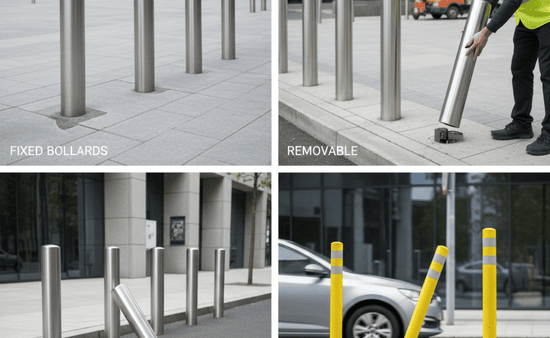
There are several types of bollards, each catering to specific requirements. Fixed bollards are permanently embedded in the ground, providing a non-flexible barrier. Removable bollards offer flexibility, allowing access when necessary but still maintaining a barrier when in place. Retractable bollards can be lowered completely below ground level, providing seamless access control with the capability to reinstate a protective barrier within moments. Lastly, flexible bollards are designed to withstand low-speed impacts, returning to their original position, thus minimising damage to vehicles and the bollards themselves.

Safety Benefits

Bollards play a significant role in enhancing pedestrian safety. By creating physical barriers, they prevent vehicles from encroaching into pedestrian zones, which is of particular importance in areas where foot traffic is high. This form of passive safety measure is indispensable at roadside cafes, markets, or near schools, effectively guarding against any accidental or deliberate vehicle intrusions.

The presence of bollards can also act as a visual cue for motorists to reduce speed and be more mindful of their surroundings. In car parks and near building entrances, bollards serve to shield pedestrians from any potential harm resulting from parking manoeuvres or wayward vehicles.

Impact on Traffic Management

In the realm of traffic management, bollards contribute by demarcating no-go zones for vehicles, thereby ensuring smooth pedestrian flow. At the entrances to pedestrianised zones or emergency access routes, properly placed bollards can keep unauthorised vehicles at bay while still allowing permitted vehicles, like emergency responders, to pass through when needed.

Bollards are also integral to the implementation of temporary traffic control schemes. During public events or construction activities, removable or retractable bollards can be deployed to alter traffic patterns temporarily, ensuring safety and order during periods of increased pedestrian activity or vehicular rerouting.

Enhancing Urban Security

Enhancing Urban Security

Security concerns, especially in urban settings, have prompted the installation of bollards as a defence against vehicle-based threats. High-security bollards are engineered to withstand high-impact collisions and are often installed around sensitive buildings such as embassies, military installations, and financial institutions. These bollards offer not just a physical barrier but peace of mind for those within protected areas.

Ingloriously, bollards also serve as deterrents against petty crimes like shoplifting or smash-and-grab robberies in which vehicles could be used to breach storefronts. The strategic placement of bollards can significantly reduce such risks.

Maintenance and Sustainability

Maintenance considerations are crucial in the selection and installation of bollards. Durable materials such as stainless steel, concrete, or recycled plastics ensure longevity, while design elements like reflective surfaces or LED lighting contribute to visibility and safety during low-light conditions.

Sustainability is another aspect where bollards contribute positively. As many urban areas move towards more pedestrian-friendly environments, bollards encourage walkability by making spaces safe and accessible for foot traffic, thereby reducing the reliance on vehicles and contributing to lower emission levels.

Conclusion

Overall, the humble bollard is an indispensable component of modern traffic safety and urban security strategies. Whether they are directing traffic, protecting pedestrians, or safeguarding sensitive areas, bollards offer a simple yet effective solution to a variety of challenges faced by urban planners and security professionals. Their contribution to the safety and aesthetics of our cityscapes should not go unappreciated, as they quietly stand guard, the unsung heroes of traffic safety and pedestrian protection.

As urban environments continue to evolve, the integration of bollards into the fabric of our streets and public spaces will remain a steadfast element. Those seeking to enhance safety and security within their locales or enterprise would be well-counseled to consider the discreet but powerful impact that the implementation of bollards can have.


Revolutionizing the Seas: The Fastest Custom Iron Casting Solutions in the Marine Industry

The marine industry is an enduring testament to human innovation, serving as a critical artery for global trade, a proving ground for engineering marvels, and a caretaker of the traditions of seamanship. Among the technological advancements that have set the stage for this sector’s evolution, the role of iron casting cannot be overstated.

Iron casting provides the marine industry with components essential for building robust engines, propulsion systems, and structural parts of vessels. The capacity to deliver the fastest custom iron casting solutions in the marine industry isn’t just a competitive advantage; it’s a game-changer for businesses that demand quality without compromise on speed.

The Necessity of Speed

In the competitive realms of the marine world, time is a resource as valuable as any other. Efficiency translates to cost-effectiveness, and speed in production ensures minimal downtime for vessels undergoing maintenance or refits.

The demand for custom iron casting solutions stems from the unique requirements of each seafaring vessel or project. As each casting requirement is unique, it necessitates a precision-based approach which, when expedited, can lead to significant operational advantages.

The industry’s need for speed is further fuelled by the relentless pace of technological advancement and increased pressure to adhere to environmental regulations.

As marine companies strive to upgrade their fleets to be more eco-friendly and economically efficient, the introduction of new components must be swift and seamless. This is where a provider capable of expediting custom casting solutions becomes invaluable.

Mastering Customisation

Mastering Customisation

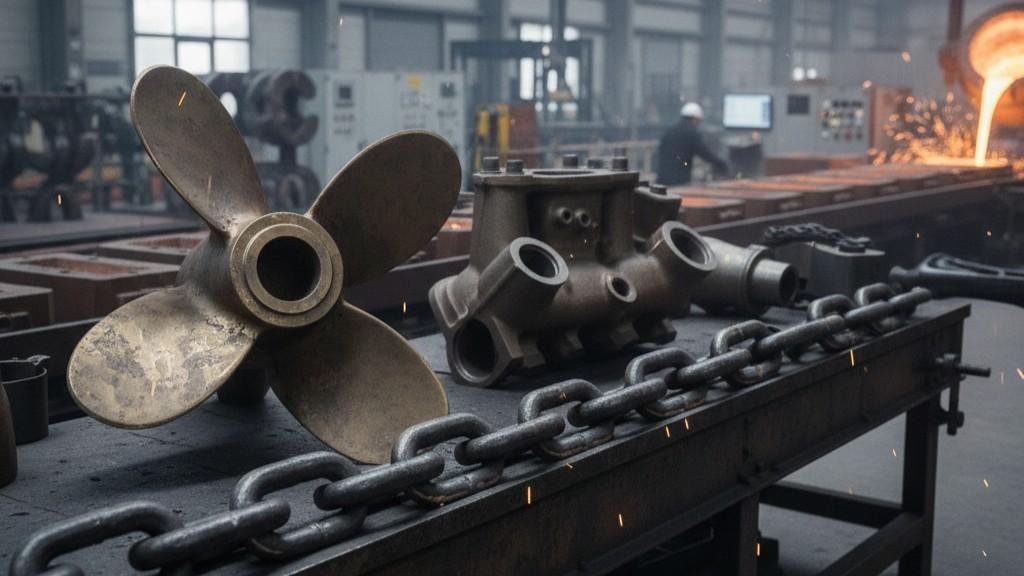
Custom iron casting involves a meticulous process of designing, creating moulds, melting materials, pouring iron, and refining the final product to meet specific standards. The level of customisation needed in the marine industry is high because no two ships or maritime applications are identical.

The propensity to tailor components – such as propeller hubs, engine parts, and anchor chains – makes vast improvements to performance, durability, and compatibility with existing systems.

Manufacturers leading the pack in providing custom iron casting solutions often harness state-of-the-art technology, such as computer-aided design (CAD) and advanced robotics, to achieve this level of personalisation. These technologies not only enhance the precision of castings but also shave off significant time from the traditional casting process.

Quality Meets Expediency

When discussing the fastest custom iron casting solutions in the marine industry, one might wonder if speed compromises quality. The answer lies in the sophistication of manufacturing techniques employed by top-tier service providers. Using cutting-edge foundry practices and strict quality control measures, it is possible to deliver exceptional components within shorter timelines.

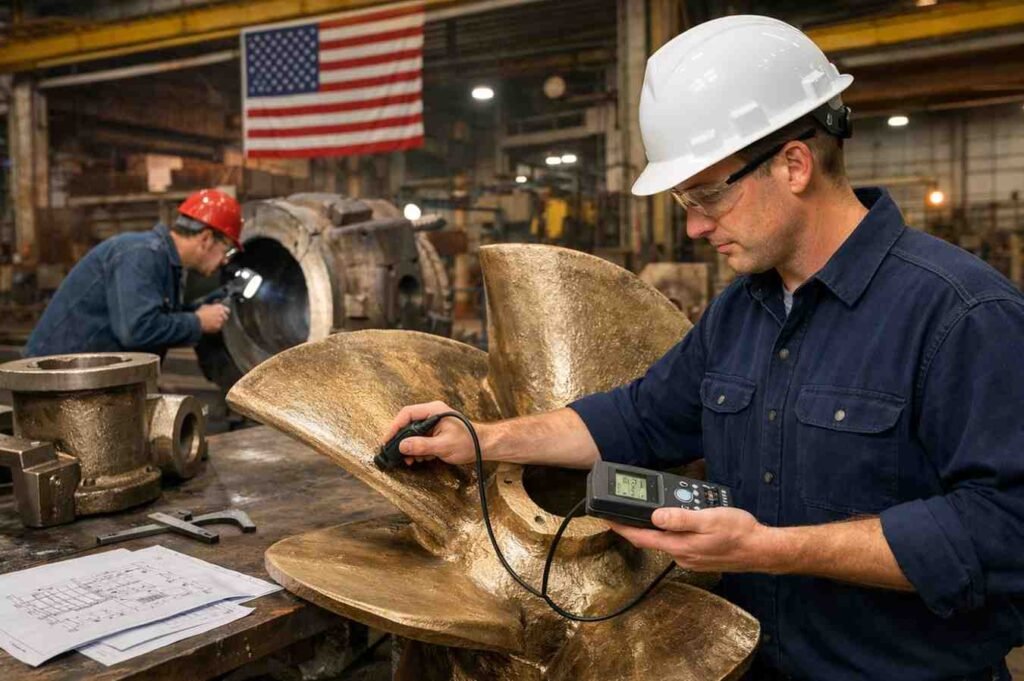
Quality control is a paramount consideration that starts from the selection of raw materials and persists through every stage of production. By implementing rigorous testing, such as X-rays, ultrasonic tests, and dye penetrants, manufacturers ensure that every product meets or exceeds industry standards.

Innovation in Materials and Processes

The quest for the fastest delivery does not end with streamlining existing processes. It involves the continuous exploration of innovative materials that offer superior characteristics suitable for marine environments. The development of high-strength, corrosion-resistant iron alloys has redefined what clients can expect from casting solutions.

It’s not just about creating products quickly; it’s about providing components that will extend the service life of vessels and reduce the need for frequent replacements.

Similarly, advancements in moulding techniques have facilitated quicker turnaround times without forgoing precision. The utilisation of 3D printing, for instance, has revolutionised the creation of complex casting moulds, reducing the time required from weeks to mere days in some cases.

Investment in Infrastructure

Investment in Infrastructure

Securing the title of providing the fastest custom solutions also hinges on the level of investment in infrastructure. The presence of large-capacity furnaces, ample floor space for assembly and automation tools, and logistics networks optimised for swift deliveries are all critical components in the arsenals of industry leaders.

Effective supply chain management further accelerates the casting process by ensuring that materials are available on-demand and products can move from the foundry to installation without unnecessary delays. Sourcing from local suppliers and maintaining a comprehensive inventory are strategies employed to this effect.

The Competitive Edge

Within the fiercely competitive marine manufacturing landscape, the ability to offer the fastest custom iron casting solutions in the marine industry provides a distinct edge. It is not just about raw speed; it is the amalgamation of quality, customisation, innovation, and robust infrastructure working in concert to deliver superior products within the shortest possible timeframes.

For clients ranging from small-time operators to multinational corporations, this commitment to speed and quality can mean the difference between maintaining their competitive edge and falling behind their rivals. Rapid deployment of customised casting solutions can have a direct and positive impact on a company’s bottom line, not to mention the amplifying effect it has on reputation and client trust.

Conclusion

As the marine industry continues to navigate through the tides of change, propelled by technological and environmental imperatives, the demand for fast yet reliable custom iron casting solutions climbs higher.

The ability to adapt, innovate, and ultimately deliver these solutions is a hallmark of a truly modern foundry – one that is committed not only to excellence in manufacturing but also to the advancement and sustainability of maritime enterprise.

With each innovation and successful delivery, these service providers do more than just meet expectations; they redefine them, shaping the future of the marine industry.

Indeed, in the quest to keep the world’s fleets sailing smoothly, the fastest custom iron casting solutions have become more than a convenience; they are now an indispensable component in revolutionising the seas.

Navigating the Seas of Success: The Crucial Role of Marine-Grade Castings in Shipbuilding

The marine manufacturing industry is an intricate and vital sector that underscores the prosperity of global trade, the integrity of naval defence, and the efficiency of maritime transport. At the heart of this industry lies the robust framework of shipbuilding, an art and science perfected over millennia but continuously evolving with modern engineering and technological advancements.

Understanding Marine-Grade Castings

Understanding Marine-Grade Castings

One of the pivotal components that ensures ships are seaworthy, durable, and reliable in the face of harsh maritime conditions is the utilisation of marine-grade castings. These specialised components form the building blocks of vessels, from commercial freighters to private yachts, serving a multitude of purposes ranging from structural support to the intricacies of propulsion systems.

Marine-grade castings are manufactured to meet rigorous standards, given that the marine environment presents unique challenges such as corrosive saltwater, extreme pressures, and variable temperatures. The selection of materials for these castings, therefore, involves careful assessment of their corrosion resistance, strength, and longevity.

The Selection of Materials for Marine Applications

The Selection of Materials for Marine Applications

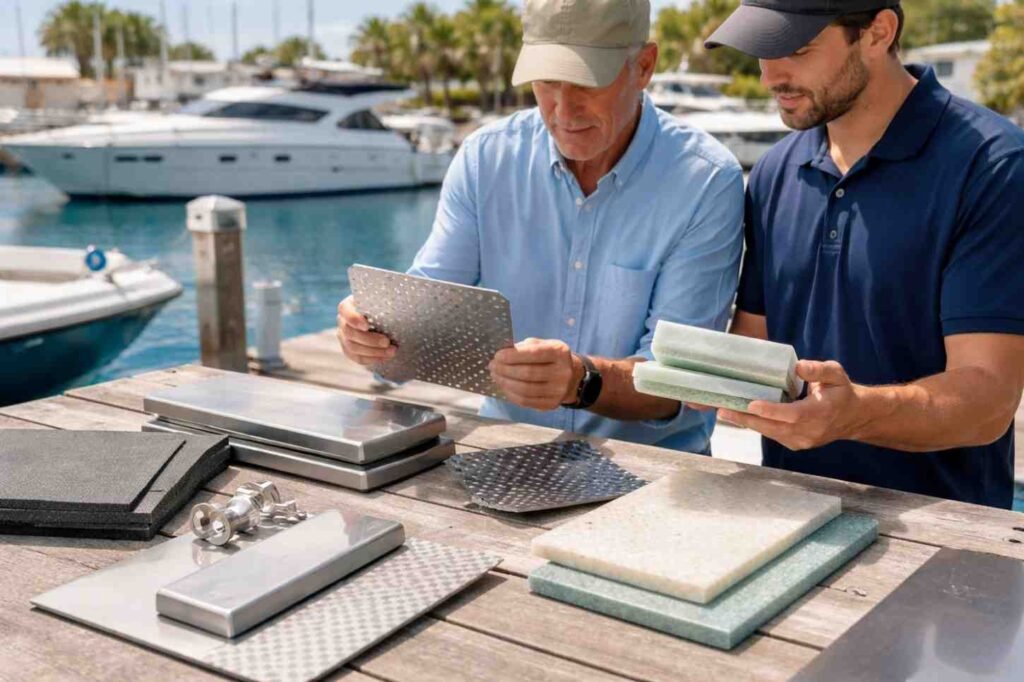
Materials such as bronze, stainless steel, and aluminium alloys are frequently employed for marine-grade castings due to their resilient properties. The resistance to corrosion is paramount, but so is the material’s ability to withstand the constant stress and strain that comes with sea travel. These materials also prove advantageous in resisting biofouling – the accumulation of aquatic organisms on surfaces submerged in water.

The uniqueness of each ship design demands customised solutions for components such as propellers, rudders, and housing for engine parts. This customisability allows shipbuilders to maximise the efficiency, performance, and safety of marine vessels.

The Engineering and Production Process

The Engineering and Production Process

The engineering process of marine castings begins with a meticulous design phase where functionality and adaptability are scrupulously considered. Precision in design is vital, as even the slightest imperfection can result in failure under the extreme conditions faced at sea. High-grade software tools are employed to model and simulate the performance of these castings under various scenarios before the actual production commences.

Following the design, the production of marine-grade castings takes place using techniques such as sand casting, investment casting, or die casting, each offering different benefits in terms of precision, surface finish, and cost-efficiency. The production process is also subjected to strict quality controls to ensure that each component meets the necessary specifications and tolerances.

Testing and Quality Assurance in Marine Casting

Testing and Quality Assurance in Marine Casting

Once cast, marine-grade components undergo rigorous testing to ensure their integrity. Non-destructive testing methods such as radiography, ultrasonic testing, and magnetic particle inspection are employed to detect any internal or surface flaws. These methods help preempt the potential for catastrophic failures at sea by ensuring that each casting lives up to its promise of strength and durability.

Quality assurance does not end with the casting process. The materials and products are also subjected to real-world environment simulations, where castings are exposed to saltwater, varying pressures, and temperature cycles to certify long-term durability and performance.

The Role of Marine Castings in Shipbuilding

In shipbuilding, marine-grade castings serve a multitude of functions. For the structural integrity of the vessel, they are used in the production of anchors, hull reinforcements, and keel components. In the navigational and propulsion systems, castings are used in the construction of propellers, drive shafts, and rudder assemblies. The precision that casting allows is essential in these applications where the balance, flow dynamics, and overall performance are crucial.

Furthermore, the varied and flexible nature of casting processes means components can be optimally designed for maintenance and servicing ease, thus reducing downtime and extending the life of the ship.

Innovation and Sustainability in Marine Manufacturing

Innovation and Sustainability in Marine Manufacturing

The pursuit of innovation in marine manufacturing is relentless, driven by the need for more efficient, eco-friendly ships. Marine-grade castings are at the forefront of this endeavour, with ongoing research into new alloys, iron-casting solutions and production methods that reduce environmental impact and enhance recyclability while maintaining the strength and endurance needed for marine applications.

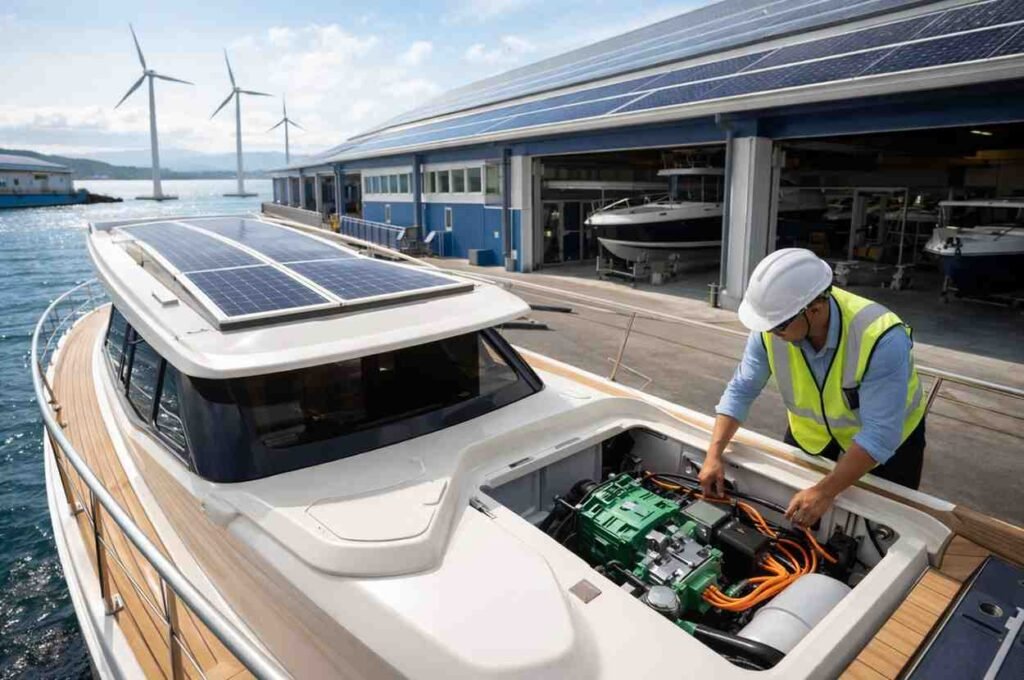
Shipbuilders are not only looking for materials that deliver performance but also ones that can be produced sustainably. Advanced castings play a vital role in this respect, contributing to overall fuel efficiency through weight reduction and improved design. Furthermore, as part of the global push for greener technologies, there is increasing interest in exploring how renewable energy components can be integrated into vessels, with marine-grade castings forming the backbone of these innovations.

Conclusion

The complexity and importance of marine-grade castings in the shipbuilding industry cannot be overstated. They are essential components that support the intricate anatomy of ships, ensuring that these titans of transport navigate the oceans effectively and reliably. As we look to the future of marine manufacturing, the evolution and refinement of casting processes and materials will continue to play a critical role in helping vessels traverse the seas of success.

For shipbuilders and marine engineers, the choice of partners in producing these essential components is a critical investment in quality and performance. Companies specializing in marine-grade castings embody the craftsmanship and technological innovation essential to the continued success and advancement of the marine industry.

As the marine manufacturing landscape sails towards increased efficiency and environmental stewardship, the importance of marine-grade castings remains firmly anchored in the core of shipbuilding, proving crucial to navigating the seas of success.

How to Navigate Public Transport in Tokyo: A Complete Guide

When I first arrived in Tokyo, the thought of navigating the city’s vast transport system was a little overwhelming. I had heard so much about how efficient it is, but I was still unsure how to make the most of it. Fast forward to now, and I can confidently say Tokyo’s public transport system is one of the easiest and most reliable I’ve ever used. 

In this guide, I’ll share everything I’ve learned over the years, from payment options and apps to train etiquette, so you can navigate Tokyo like a local.

Key Takeaways:

  • Tokyo’s public transport is easy to use, with various payment methods and apps to make your journey seamless.
  • Understanding key rail networks like the JR Yamanote Line and Tokyo Metro is essential for moving around the city efficiently.
  • Etiquette tips will help you blend in and travel like a local.

Payment Options: The Easy Way to Ride

Payment Options: The Easy Way to Ride

One of the best parts of Tokyo’s transport system is how simple it is to pay for your rides. Gone are the days of struggling with change or figuring out ticket prices. Tokyo’s payment methods are as modern as the city itself.

Can I Use My Credit Card?

Yes, and it’s one of the most convenient options. Starting in spring 2025, you can use your contactless credit or debit card to pay for rides on Tokyo Metro, Toei Transportation, and even private lines like Keio, Tokyu, and Odakyu. Just tap your card at the gates and go! It’s fast, easy, and reliable.

What About Mobile IC Cards?

If you’re like me and prefer everything on your phone, Suica and Pasmo are your best friends. These mobile IC cards can be added to your Apple Wallet (for iPhone users) or your Android device if it supports the Japanese FeliCa chip. 

Not only can you use these cards on trains and buses, but you can also use them for vending machines, convenience store purchases, and even at some taxis. It’s the ultimate convenience for a traveler who likes to keep things simple.

Should I Get a Physical IC Card?

If you prefer a physical card, then Welcome Suica and Pasmo Passport are designed for tourists. These cards are valid for 28 days and don’t require a deposit, which is perfect for short-term stays. You can easily grab one at Narita or Haneda airports and use it immediately for trains, buses, and even some shops.

Essential Apps: Helping You Navigate Tokyo Like a Pro

Essential Apps: Helping You Navigate Tokyo Like a Pro

Tokyo’s stations are huge, and with multiple lines crisscrossing the city, it can get overwhelming. But don’t worry—I’ve got you covered. These apps will ensure you stay on track and get to your destination with ease.

Google Maps: Your Lifesaver

I swear by Google Maps when it comes to navigating Tokyo. Not only does it provide walking directions to the nearest station, but it also gives you real-time updates on train arrivals, platform numbers, and delays. 

It’s an essential tool when you need to figure out which train to catch or when you’re making transfers. It also offers detailed directions, so you’ll never wonder if you’re heading in the right direction.

Japan Travel by NAVITIME: For Long-Distance Journeys

If you’re traveling outside of Tokyo or planning to take the Shinkansen (bullet train), then Japan Travel by NAVITIME is the app for you. 

It’s perfect for planning long-distance routes, filtering options by transit passes, and even providing estimates on train fares. It’s saved me so much time when I’m figuring out my journey to places like Kyoto or Osaka.

Tokyo Subway Navigation: The Tourist’s Best Friend

If you’re sticking to Tokyo’s subways, then you’ll want to download Tokyo Subway Navigation. This app is designed specifically for tourists and works offline—so even if you’re deep underground and out of range of Wi-Fi, you won’t get lost. It’s perfect for navigating the color-coded subway lines and making quick transfers between stations.

Key Rail Networks: The Backbone of Tokyo’s Transport

Key Rail Networks: The Backbone of Tokyo’s Transport

Tokyo’s rail system is easy to navigate once you know the key lines to use. Let me walk you through the major rail networks in the city that you’ll be using to get from one spot to the next.

JR Yamanote Line: The Most Essential Line

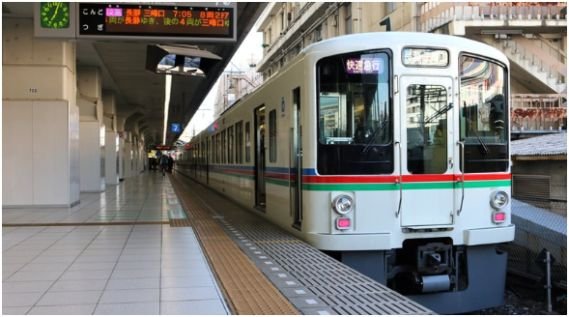
The JR Yamanote Line is a circular line that connects many of Tokyo’s busiest districts, including Shibuya, Shinjuku, Tokyo Station, and Ueno. It’s perfect for tourists because it passes through most of the major areas you’ll want to visit. 

This line is a loop, meaning it’s always running in both directions, so you can hop on at any station, and you’re bound to make your way to your next stop.

  • Best For: Exploring central Tokyo with ease.
  • Why I Love It: It’s quick, frequent, and connects the must-see neighborhoods all in one ride.

Tokyo Metro & Toei Subway: Underground City

The Tokyo Metro and Toei Subway lines form the backbone of Tokyo’s underground network. They are well-marked with clear color codes and line numbers, making them easy to navigate. Each line serves different areas, and you’ll likely end up using a combination of them during your trip.

  • Best For: Local travel to specific districts like Ginza, Roppongi, and Akihabara.
  • Why I Love It: The trains are frequent, and I can hop on and off as needed without worrying about long waits.

Shinkansen (Bullet Train): For Long-Distance Adventures

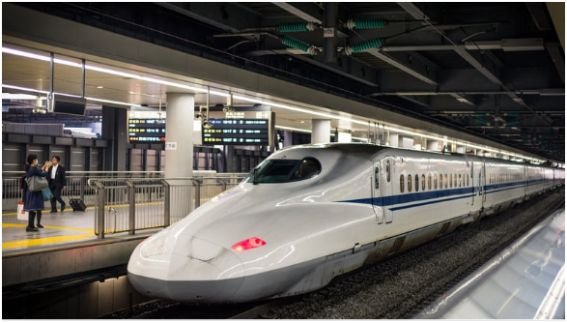
The Shinkansen is a must if you plan on venturing outside Tokyo. It’s the world’s fastest train, connecting Tokyo to other major cities like Kyoto, Osaka, and Hiroshima. However, it’s not covered by your standard Suica or Pasmo cards, so you’ll need to purchase a separate ticket. The Shinkansen is fast, comfortable, and the ideal way to travel long distances in Japan.

  • Best For: Long-distance travel to cities outside Tokyo.
  • Why I Love It: It’s so fast and efficient—what would be a 5-hour car ride can be done in just over 2 hours!

Train Etiquette: Blending in Like a Local

Train Etiquette: Blending in Like a Local

To ride the trains in Tokyo, it’s not just about getting from A to B—it’s also about doing it the Tokyo way. Here’s what I’ve learned about train etiquette:

Queueing: Stand in Line

When waiting for the train, you’ll see designated areas on the platform where people stand in line. This keeps the boarding process organized. I’ve found that standing in line not only makes it easier for everyone but it also reduces stress when the train arrives.

Priority Seating: Respect the Reserved Seats

Priority seats on trains are meant for the elderly, pregnant women, and people with disabilities. Even if these seats are empty, I always make sure not to sit in them unless I absolutely need to. It’s just part of the considerate and respectful culture of Tokyo’s public transport system.

Silence is Golden

On Tokyo trains, silence is a golden rule. People generally don’t talk on the phone, and if they do, they step off the train to continue their conversation. I’ve found that maintaining quiet makes the ride much more peaceful for everyone, especially during long journeys.

FAQ: Real User Questions About Tokyo’s Transport

1. How Do I Buy a Ticket for Tokyo Metro?

It’s easy! You can buy a single-ride ticket from the vending machines at any station. But, for convenience, I recommend getting a Suica or Pasmo card, which you can top up and use throughout your stay. It saves you time and effort in the long run.

2. Do I Need to Speak Japanese to Use Public Transport?

Not at all! The signs are in both Japanese and English, and most stations have English-speaking staff. I personally use the Google Maps app, which gives me real-time updates on train schedules, platforms, and even delays. Tokyo’s system is designed to be tourist-friendly, so you’ll have no trouble getting around.

3. Are the Trains Safe at Night?

Yes, Tokyo’s trains are extremely safe, even late at night. I’ve ridden the metro back after dinner, and I always feel safe. Of course, like anywhere, it’s best to stay aware of your surroundings, but Tokyo’s public transport is one of the safest in the world.

4. Can I Use My JR Pass on the Tokyo Metro?

No, the JR Pass only covers JR trains and Shinkansen rides. For the metro, you’ll need a Suica or Pasmo card, which works across all lines in Tokyo, including the subway.

Ready to Explore Tokyo Like a Local?

Navigating Tokyo’s public transport doesn’t have to be overwhelming. With the right payment methods, apps, and a little bit of local etiquette, you’ll feel like a local in no time. 

Whether you’re hopping on the Yamanote Line or riding the Shinkansen to another city, Tokyo’s rail network is fast, efficient, and ready to take you anywhere you want to go.

Pro Tip: Get a Suica or Pasmo card as soon as you arrive—it’s the easiest way to make your travels more seamless. Plus, you’ll be able to use it for more than just trains—perfect for convenience store snacks or a cold drink along the way!

Car Rental Tips Abroad: How to Avoid Scams & Save Money

Renting a car abroad can be one of the most convenient ways to explore a new destination, but it can also come with a hefty price tag and potential hidden scams.

Over the years, I’ve learned a few tricks to avoid unnecessary charges and headaches. In this guide, I’ll share car rental tips abroad that will make your experience smoother, safer, and more affordable in 2025.

Why Are Car Rental Scams So Common Abroad?

Why Are Car Rental Scams So Common Abroad?

When I first rented a car abroad, I didn’t realize how many hidden costs there could be. From pre-existing damage claims to forced insurance upselling, these scams are common because rental agencies know tourists often don’t have the time or knowledge to fight back. I’ve been there, and I’ve learned from the experience.

What you might not know is that these scams aren’t only about trying to get more money out of you—they can be about confusing policies or miscommunication. Knowing the right steps to take can save you from paying for things you don’t need.

How to Avoid Pre-Existing Damage Claims

How to Avoid Pre-Existing Damage Claims

One of the most annoying scams I’ve encountered involves being charged for damage that was already on the car when I picked it up. Agents might try to tell you that they didn’t notice the small scratches or stains on the seat, and you are the one left paying for it.

My tip: Before you drive off, always inspect the car thoroughly. I even take a slow-motion video from every angle, including the roof and undercarriage (yes, it sounds extra, but it works!). If you notice anything, have the agent mark it on the agreement. I’ve learned that being thorough from the start can save a lot of money later.

Are You Really Required to Buy Extra Insurance?

Are You Really Required to Buy Extra Insurance?

I’ve been pressured into buying additional insurance many times. Agencies tell you that you must get it, even if you already have coverage from a third-party provider or your credit card. They know that travelers, especially those unfamiliar with local laws, might panic and agree to unnecessary costs.

Here’s the trick: In some countries (like Mexico or Europe), local liability insurance is often required by law, so it’s best to check in advance. 

If you’ve got travel insurance or credit card coverage that includes car rentals, bring proof of it. You can avoid unnecessary charges by being upfront with the agent and asking them to explain exactly what’s covered.

The “Unavailable Car” Scam & How to Handle It

The "Unavailable Car" Scam & How to Handle It

Have you ever walked into the rental office, only to be told that the car you reserved is “unavailable”? It’s one of those frustrating moments that I’ve encountered more than once, and the agent tries to upsell you to a more expensive car.

What I do: When this happens, I make it clear that I expect a car of equal or similar class or the original reservation. I’ve learned to be persistent but polite. 

If they try to offer an upgrade that doesn’t make sense, I stand firm. I’ve also realized that sometimes it’s just a trick to get you to pay more for a larger car, even if it’s not necessary.

How to Save on Fuel Policies

Fuel is another area where car rental companies try to trap you. Some companies offer prepaid fuel policies, where you pay for a full tank upfront but get no refund for unused fuel. That’s a classic scam where you pay for more than you use.

Here’s what I do: I always choose the full-to-full option, which means I pick up the car with a full tank and return it the same way. It’s the most transparent and cost-effective option, and I’ve found it saves me money every time. 

Plus, I always check the grace period for returns. If I’m returning the car late, I make sure I’m not charged a late return fee unless absolutely necessary.

Booking Car Rentals Online: How to Avoid Scams

Booking Car Rentals Online: How to Avoid Scams

Scammers don’t just wait until you’re at the rental desk. I’ve seen fake car rental websites pop up everywhere, mimicking top brands like Hertz and Enterprise to trick people into paying deposits via untraceable methods (like gift cards or wire transfers). It’s not only frustrating—it’s a complete waste of your money.

My advice: Always book through official websites or well-known brokers like Auto Europe or DiscoverCars. These sites let you compare rates and ensure you’re booking a legitimate car. Check that the website has HTTPS in the URL (this means it’s secure), and never pay by gift card. Trust me—just don’t do it.

How to Make Sure You’re Getting a Great Deal

Now, let’s get into the fun part—saving money. There’s no reason you should have to pay more for a rental than necessary. Here are some how-to tips for getting the best deals:

1. Book in Advance

Booking early can often save you up to 40%. Rental prices fluctuate based on demand, so if you can secure a deal well ahead of your trip, you’re almost always going to get a better price.

2. Use Trusted Car Rental Brokers

I swear by Auto Europe and DiscoverCars because they specialize in international rentals and offer better rates on major companies. I’ve used them for years, and they’ve never let me down.

3. Avoid Airport Rentals

It’s tempting to grab a car from the airport, but rental agencies charge premium location fees at airports. If possible, rent from a downtown location to avoid those extra charges.

FAQs

Q1: Do I need to buy insurance if I already have travel insurance?

Many travelers wonder if they need additional car rental insurance. If your travel insurance or credit card offers coverage for car rentals, you often don’t need to purchase extra insurance from the rental company. However, always check local laws to ensure you’re covered.

Q2: What should I do if my car rental reservation is unavailable?

If your reserved car isn’t available, don’t panic. Politely insist on either a similar class car or a free upgrade. If the agent tries to upsell you, be firm and request a reasonable alternative.

Q3: Are fuel charges always a scam?

Not always! But to avoid being overcharged, choose the full-to-full policy, where you return the car with the same amount of fuel it had when you picked it up. Avoid prepaid fuel policies, as they often leave you paying for more fuel than you use.

Q4: How can I avoid booking scams online?

When booking a rental online, always ensure the website is secure (look for HTTPS). Use trusted booking sites like Auto Europe or DiscoverCars, and never pay for a rental with gift cards or wire transfers.

Let’s Wrap It Up: Rental Car Tips for a Stress-Free Trip

Renting a car abroad doesn’t have to be a stressful experience. By following these simple tips, you can avoid common scams, save money, and ensure your trip goes smoothly. 

Always inspect the car before you drive off, do your research on insurance, and be cautious when booking online. With these steps, your next international rental should be a breeze.

If you’ve learned something new here, share these car rental tips abroad with your travel buddies—they’ll thank you later! Safe travels!

The Best Ways to Get Around When Traveling in Europe: A Practical Guide

There are countless ways to travel throughout Europe, including speedy flights between famous cities, affordable busses, and beautiful train rides. Choosing the right mode of transportation for your trip might be difficult with so many options. The best way to tour Europe will depend on your priorities: speed, budget, or adventure, whether you’re exploring hidden treasures or traveling between large cities. I’ll walk you through the best ways in this guide so you can have an amazing time in Europe.

1. Traveling by Train: The Classic European Experience

Europe’s train network is one of the best in the world. Trains are a quick, pleasant, and beautiful method to travel across the continent, whether you’re passing through France, Germany, or Italy. The Interrail and Eurail passes make it even easier by offering unlimited travel across multiple countries, saving you both time and money.

Why Choose Trains?

  • Scenic Views: Many train routes offer breathtaking views, especially in places like Switzerland and Austria.
  • Convenience: Trains often run frequently and arrive in city centers, cutting down on the need for extra transport.
  • Eco-Friendly: Trains are one of the most sustainable modes of transportation compared to cars and planes.

Traveling by Train The Classic European Experience

If you’re planning to explore multiple countries in a short time, the Eurail Global Pass or Interrail Pass is perfect. You can travel at your own pace, hopping from Paris to Barcelona or Berlin, with flexible schedules.

2. Budget-Friendly Bus Travel: Cheapest Option for Exploring Europe

If you’re looking for the most affordable way to get around Europe, buses are your best bet. Services like Flixbus and Eurolines offer long-distance routes to major cities across Europe at prices that are hard to beat.

Why Choose Buses?

  • Low Prices: Bus travel is typically cheaper than trains or flights, especially if booked in advance.
  • Wide Coverage: Buses can reach cities and towns that trains or flights don’t serve, opening up off-the-beaten-path destinations.
  • Flexible Routes: With frequent stops along the way, buses provide flexibility in your travel schedule.

Though buses may take longer than trains or flights, they are a fantastic choice if you’re traveling on a budget and don’t mind extra travel time for a much cheaper fare.

3. Flying: Fastest Way to Cross Countries

When traveling across long distances, flights can be the fastest option. Budget airlines like Ryanair, EasyJet, and Wizz Air dominate Europe’s skies, offering incredibly low fares if you book in advance.

Why Choose Flights?

  • Speed: Flying is the quickest way to travel between major European cities, especially across Europe’s wide distances (e.g., London to Rome).
  • Wide Network: Low-cost carriers fly to a range of popular and lesser-known airports across the continent, offering tons of choices.
  • Deals & Offers: If you book early, you can find tickets for as low as €10-€30 for one-way flights.

While flying might not be as eco-friendly as trains, it’s a great choice for those needing to travel long distances quickly, especially in countries with vast landscapes like Spain or Sweden.

4. Car Rentals and Road Trips: Explore at Your Own Pace

Car Rentals and Road Trips Explore at Your Own Pace

There’s something special about road tripping through Europe. Renting a car gives you the freedom to explore at your own pace, venture into remote villages, or make unplanned stops along the way.

Why Choose a Car Rental?

  • Flexibility: Travel where trains and buses don’t go, and take as many detours as you like.
  • Comfort: A private car offers comfort and privacy, especially when traveling with family or friends.
  • Scenic Drives: From the Amalfi Coast in Italy to the Scottish Highlands, driving gives you access to some of the world’s most breathtaking road trips.

If you’re planning a road trip through the countryside or exploring mountain regions, renting a car can provide an unforgettable experience. Just keep in mind that some cities in Europe (like Paris or Barcelona) have strict low-emission zones, so be aware of parking and congestion charges.

5. Cycling: Sustainable and Fun

For those who love active travel, cycling is one of the best ways to explore Europe. Many cities like Copenhagen, Amsterdam, and Barcelona are cycling-friendly, with designated bike lanes and bike-sharing services available.

Why Choose Cycling?

  • Eco-Friendly: Cycling reduces your carbon footprint and allows you to experience Europe’s natural beauty up close.
  • Health Benefits: Get some exercise while seeing the sights, and embrace the local culture on two wheels.
  • Affordable: Renting a bike or using a bike-sharing service is very cost-effective.

Cycling in Europe is particularly appealing if you plan to explore areas like the Dutch countryside or Southern France. Many countries have dedicated bike routes for long-distance journeys, too.

6. Boats and Ferries: For Coastal Adventures

Boats and Ferries For Coastal Adventures

Europe’s coastal cities and islands are best explored by boat. Whether you’re taking a ferry from Italy to Greece or enjoying a boat tour around Venice, European ferries offer scenic and relaxing travel.

Why Choose Boats?

  • Scenic Views: There’s no better way to admire sea views than from the deck of a ferry.
  • Island Hopping: Boats are ideal for traveling between islands, such as Greek Islands or the Mediterranean coast.
  • Affordable: Ferries often have budget options for backpackers.

Many ferries are well-connected to Europe’s coastal destinations, making them an excellent option for getting from Barcelona to Mallorca or Athens to Mykonos.

Comparison Table: Best Travel Methods for Different Distances

Mode of Transport Best For Pros Cons
Train Long-distance travel between countries Scenic, eco-friendly, fast, frequent Can be expensive without passes
Budget Airlines Fastest way to travel long distances Fast, wide network, low fares when booked early Airport hassle, check-in time
Bus Budget travel across cities and countries Cheap, flexible, frequent routes Slower, less comfortable
Car Rental Exploring off-the-beaten-path areas Flexibility, privacy, scenic drives Fuel, parking costs, congestion charges
Cycling Short city trips or countryside exploring Eco-friendly, healthy, cost-effective Limited to accessible areas
Ferries Coastal and island destinations Scenic, affordable, relaxing Can be slow for long distances

Frequently Asked Questions

1. What is the cheapest way to get around Europe?

The cheapest way to travel around Europe is by bus, with companies like Flixbus offering budget-friendly fares across multiple countries. For budget travel, plan ahead and book early to secure the best prices.

2. Is train travel in Europe expensive?

Train travel can be expensive, but there are ways to save. Purchasing an Interrail or Eurail pass can make traveling between countries much cheaper. Booking tickets in advance also helps you snag discounted fares.

3. How can I get around Europe without flying?

You can easily get around Europe by train, bus, or even car. Train travel is the most efficient way to explore large parts of Europe, while buses offer cheaper routes to many destinations.

4. What’s the best way to travel around Europe for a first-time visitor?

For first-time visitors, train travel is the best option. It offers an easy and scenic way to explore cities and regions without the hassle of navigating unfamiliar streets.

Conclusion

There’s no one-size-fits-all solution when it comes to traveling in Europe. Each mode of transportation has its own benefits, whether you prefer the quickness of inexpensive flights, the scenic splendor of rail excursions, or the flexibility of a road trip. Use this blog to choose the best way to travel around Europe based on your budget, schedule, and travel preferences, and enjoy your European adventure with confidence!

Car Rental Tips for Travelers: Essential Guide to Stress-Free Rentals

Renting a car unlocks unparalleled freedom on your travels, allowing you to explore off-the-beaten-path destinations at your own pace. However, without the right preparation, it can lead to unexpected costs and frustrations. 

These practical car rental tips for travelers will help you secure the best deals, avoid hidden fees, and ensure a smooth experience. 

From comparing platforms to understanding insurance, this guide draws on current trends like rising demand for EVs and peer-to-peer options to keep your road trip budget-friendly and enjoyable.

With car rental prices stabilizing post-pandemic but varying by season and location, smart car rental tips for travelers focus on early planning and informed choices. Whether you’re road-tripping in the U.S. or Europe, these strategies can save you 20-50% while minimizing risks.

Booking Strategies for the Best Car Rental Deals

Start your search early—ideally 1-3 months in advance for peak seasons—to lock in lower rates and better availability. Use comparison sites like Kayak, Discover Cars, or Rentalcars.com, which aggregate deals from major companies like Hertz, Enterprise, and Avis.

Check off-airport locations for savings of 10-30%, as airport rentals often include surcharges. Use incognito mode to prevent dynamic pricing increases. For international trips, book through brokers like Auto Europe for inclusive packages.

Choosing the Right Vehicle for Your Trip

Choosing the Right Vehicle for Your Trip

Select based on your needs: compact cars for city driving and fuel efficiency, SUVs for families or rough roads, or EVs for eco-friendly savings (many agencies now offer them with charging perks). Avoid upsells at the counter by pre-booking your preferred class.

Consider automatic vs. manual—automatics are pricier but essential if you’re not comfortable with sticks. Factor in luggage space and passenger count for comfort on long drives.

Understanding Insurance and Coverage Options

Insurance is a major pain point—don’t buy blindly at the counter where it’s overpriced. Check if your personal auto policy, credit card (many premium cards offer primary CDW), or travel insurance covers rentals.

For full peace of mind, purchase 3rd -party car rental insurance  online beforehand—it’s often cheaper than agency offerings. In Europe, basic CDW is usually included, but confirm zero-excess options.

Inspecting the Vehicle Thoroughly

One of the most crucial car rental tips for travelers is a detailed pre-rental inspection. Walk around the car, noting any dents, scratches, or issues, and ensure they’re marked on the agreement.

Take timestamped photos or videos of the exterior, interior, tires, and mileage. Repeat upon return to avoid disputed damage charges.

Fuel Policies and Mileage Limits

Opt for full-to-full fuel policy to avoid inflated refueling fees—return it topped up. Prepaid fuel seems convenient but often costs more unless you’ll empty the tank.

Most rentals include unlimited mileage, but confirm for one-way or budget options. Track your planned routes to estimate needs accurately.

Additional Drivers and Age Considerations

Adding drivers incurs fees ($10-15/day), so limit to essentials. Under-25 renters face young driver surcharges—shop for companies waiving them via memberships like AAA or Costco.

For international rentals, ensure all drivers have valid licenses and International Driving Permits if required.

One-Way Rentals and Cross-Border Travel

One-way drops are the most useful item you can use on road trips but add fees—compare if round-trip plus transport alternatives save more. For cross-border, notify the agency and check restrictions (e.g., some ban Eastern Europe).

Verify insurance validity across countries.

Loyalty Programs and Membership Discounts

Join free programs from Hertz Gold Plus, Enterprise Plus, or Avis Preferred for perks like skips-the-line and upgrades. AAA, Costco, or AARP memberships often yield 10-20% off.

Use travel rewards credit cards for points or primary coverage.

Returning the Car Smoothly

Return during business hours to avoid after-hours fees. Refuel nearby and document the return condition.

Remove all belongings—lost items retrieval is costly.

Alternatives to Traditional Rentals

Alternatives to Traditional Rentals

Explore peer-to-peer like Turo for unique vehicles and potential savings, or apps like Getaround for short urban needs. These offer more flexibility but varying insurance—read reviews carefully.

FAQs 

1. Should I rent at the airport or off-site?

Off-site often cheaper, but weigh shuttle time and convenience—airports for late arrivals.

2. Do credit cards cover rental insurance?

Many premium ones provide primary or secondary CDW—confirm exclusions like exotic cars.

3. Is prepaid fuel worth it?

Rarely—refill yourself for savings unless plans change.

4. How can I avoid damage disputes?

Thoroughly inspect and document with photos/videos before and after.

5. Are one-way rentals expensive?

Yes, due to drop fees, but ideal for linear trips—compare total costs.

Conclusion: Hit the Road Confidently with These Car Rental Tips for Travelers

Mastering these car rental tips for travelers ensures you enjoy the open road without unnecessary stress or expenses. 

By booking smart, understanding coverage, and inspecting carefully, you’ll maximize freedom and minimize costs. Whether cruising scenic highways or navigating cities, a well-planned rental enhances any adventure. Safe driving and happy travels!

The Best Time to Book Flights for Domestic, International, and Holiday Travel

Booking a flight at the right time can save you hundreds of dollars, but with so many options, how do you know when to pull the trigger? 

The key to scoring the best deals lies in booking at the right time. Whether you’re flying domestically, internationally, or planning your trip around peak holiday seasons, understanding when to book your flights can make all the difference.

In this guide, we’ll explore the best time to book flights for different types of travel, from domestic trips to international vacations, and even holiday travel. We’ll also share expert tips on how to maximize your savings and what tools you can use to track prices.

When to Book Flights for Domestic Travel

Booking domestic flights requires a delicate balance of timing and flexibility. Here’s what you need to know:

Best Booking Window: 1 to 3 Months in Advance

For domestic flights, you should aim to book your tickets 1 to 3 months before your departure date. This gives you a good window for finding affordable fares while avoiding the premium prices that often come with last-minute bookings.

Booking too early can result in inflated prices, as airlines tend to raise fares far in advance. On the other hand, waiting until the last minute can result in expensive ticket prices, especially if you’re flying to a popular destination. 

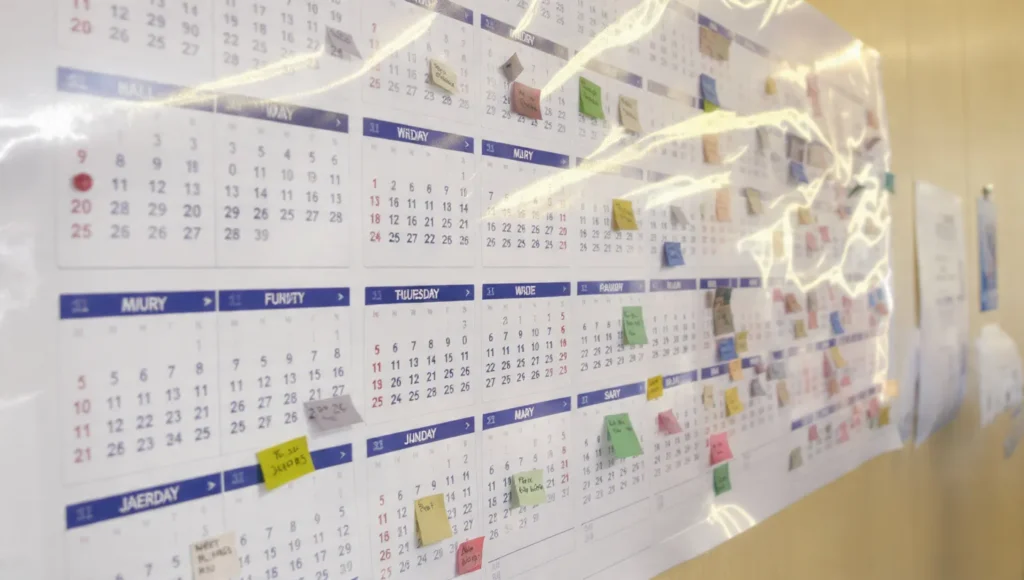
Aim for 38 to 44 days before your departure to find the best rates.

Flexibility Can Save You Money

One of the best ways to secure a great deal on domestic flights is to stay flexible with your travel dates. Consider flying on weekdays, like Tuesday, Wednesday, or Saturday, as these days typically have lower fares than weekend flights. 

Traveling midweek can save you an average of $56 to $100 on your ticket.

When to Book Flights for International Travel

When to Book Flights for International Travel

Booking international flights takes a little more planning, as the best booking window varies based on the route and destination. Here’s what to keep in mind:

Best Booking Window: 2 to 8 Months in Advance

For international flights, booking your ticket between 2 to 8 months before departure is ideal. However, the optimal booking window can vary depending on the region you’re traveling to:

  • Europe: Book 3 to 7 months in advance.
  • Mexico and the Caribbean: Plan to book 1 to 3 months out.
  • Asia and Oceania: Ideally, book 4 to 10 months before your trip.

Route-Specific Considerations

Unlike domestic flights, the best time to book international flights can differ depending on your departure and destination. For instance, booking a flight from New York to London may have different optimal timing than booking from Los Angeles to Tokyo. Always research the specific routes you plan to take to find the most cost-effective booking window.

Booking Flights for Summer Travel

Summer is one of the busiest travel periods, and securing a good deal requires some strategic planning. Here’s what you need to know:

Best Booking Window: 90 Days in Advance

For summer travel, the ideal booking window is typically 90 days before departure, whether you’re flying domestically or internationally. If you’re flexible with your travel dates, you can often find lower fares by adjusting your trip by just a few days.

Flexibility Is Crucial During Peak Travel Periods

During the summer, the busiest times tend to be early July and the weeks leading up to major holidays like Independence Day. 

If you’re willing to fly later in the summer, you can save up to 30% by booking for late August instead of early July. Midweek flights are often the most affordable, so avoid the rush of weekend departures to lower your overall fare.

Best Time to Book Flights for Holiday Travel

Holiday travel is notorious for high demand and inflated prices, so booking early is essential. Here’s how to approach it:

Thanksgiving Travel: Book 26 to 59 Days in Advance

For Thanksgiving travel, you should aim to book your flight early to mid-October, ideally 26 to 59 days before your planned departure. Thanksgiving is a popular travel period, so prices can spike as the holiday approaches. By booking early, you’ll avoid paying a premium.

Christmas and New Year Travel: Book by Halloween

For the winter holidays, including Christmas and New Year’s, the best time to book is by Halloween (October 31). 

This gives you the best chance of finding affordable options before the prices skyrocket. Try to avoid the days right before and after the holiday itself, as these are typically the most expensive.

Flexible Travel Dates Can Help Save

If you can be flexible with your travel dates, you may find it easier to score a deal. Traveling a few days earlier or later than the peak days can often result in significant savings. 

For instance, flying on the holiday itself can sometimes be more affordable than flying the days before or after.

Tools to Help You Track and Secure the Best Flight Prices

Tools to Help You Track and Secure the Best Flight Prices

Thanks to modern technology, tracking flight prices and finding great deals has never been easier. Here are some tools and strategies to maximize savings:

Set Price Alerts

Many flight search engines, like Google Flights, Skyscanner, and Kayak, offer price alert features. By setting alerts for your preferred routes, you’ll be notified when fares drop, allowing you to book at the optimal price.

Use Flexible Date and Route Search Features

Platforms like Skyscanner and Google Flights have features that let you search for flights on flexible dates or routes. Use these tools to see how much you could save by adjusting your travel dates or choosing an alternative destination.

Book Award Flights Early

If you’re using points or miles for your trip, it’s best to book your flight as soon as the window opens. Award flights can sell out quickly, especially for popular routes. 11 to 12 months in advance is typically the best time to secure the best award seats.

Consider Multi-City Flights

If you’re traveling to multiple destinations, consider booking a multi-city flight instead of several one-way tickets. Multi-city flights are often more affordable and convenient, as they eliminate the need to book and manage separate tickets for each leg of your trip.

Frequently Asked Questions

1. When is the best time to book domestic flights?

The best time to book domestic flights is typically 1 to 3 months before departure. Aim for 38 to 44 days before your flight for the most affordable fares.

2. What is the best time to book international flights?

For international travel, booking 2 to 8 months in advance is ideal. Depending on your destination, aim for 3 to 7 months for Europe and 4 to 10 months for Asia and Oceania.

3. How early should I book summer travel?

For summer trips, aim to book your flights at least 90 days in advance. If you’re flexible with your dates, you can often save up to 30% by traveling later in the summer.

4. When should I book flights for the holidays?

For Thanksgiving, book 26 to 59 days before departure, and for Christmas/New Year, aim to book by Halloween (October 31) for the best deals.

Conclusion

Booking flights at the right time is one of the most effective ways to save money on your travels. Whether you’re planning a domestic getaway or a grand international vacation, understanding the best time to book based on your destination and travel dates is key. 

Use the strategies, tools, and tips provided here to maximize your savings and ensure you get the best possible deal on your next flight.

Paris Public Transportation Guide: Your Ultimate Travel Companion

Navigating a new city can feel overwhelming, especially when it comes to understanding how to get from point A to point B. If you’re heading to Paris and looking to explore the city like a local, you’ve come to the right place! 

As someone who’s spent countless hours riding the Métro and RER, I’ve picked up a few tricks to make your experience smooth and stress-free. In this Paris public transportation guide, I’ll walk you through everything you need to know to get around the City of Light, whether you’re hopping on the Métro or heading out to the suburbs on the RER.

How Does Paris’ Public Transportation Work?

How Does Paris’ Public Transportation Work?

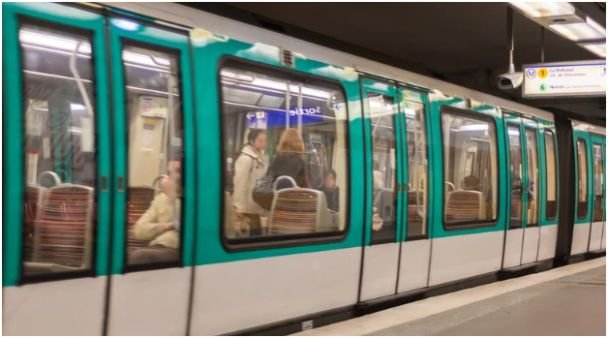
Paris boasts an extensive public transportation network, making it super easy to get around. The system includes the Métro (subway), RER trains (which extend out to the suburbs), buses, trams, and even a funicular! 

The RATP (Paris’ public transport authority) is responsible for running all these services, and with just a little bit of know-how, you’ll feel like a local in no time. Here’s how you can get started:

Métro: The Heartbeat of Paris

Métro: The Heartbeat of Paris

If you’re staying within the city, the Métro is your best friend. With 16 lines covering the heart of Paris, it’s the fastest way to zip around. I use the Métro almost every day, and let me tell you, it’s a life-saver! Whether I’m heading to a museum or grabbing a coffee at my favorite café, the Métro is always just a few steps away.

How to Use the Métro:

  • Tickets: I always buy a t+ ticket, which works for single journeys. A quick ride costs around €2.55, and you can use it for transfers within a 2-hour window.
  • App Tip: Download the Bonjour RATP app to plan your journey in real-time and check train schedules. Trust me, it’s a game-changer!

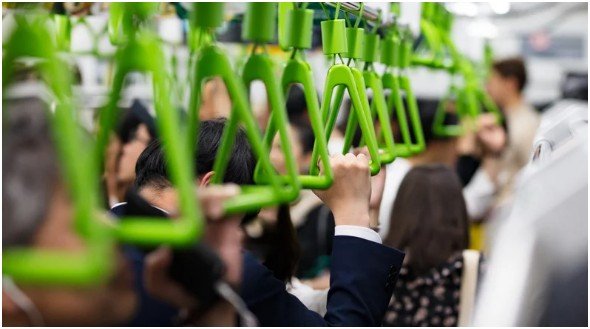
One thing I love about the Métro is how quickly you can get from one place to another. But be aware that during rush hour, it can get crowded, so try to avoid the Métro between 7:30-9:30 a.m. and 5:00-7:30 p.m. if you can.

RER: A Convenient Shortcut to the Suburbs

If you’re looking to venture beyond the city limits—say, to visit Versailles or catch a flight at Charles de Gaulle—the RER is the way to go. These regional express trains make fewer stops and will get you to destinations like the airport or suburban attractions much faster than the Métro.

RER Quick Tips:

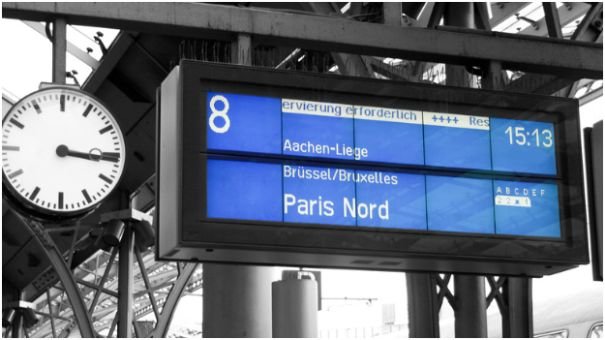
  • Routes: I always make sure to check the route code on the screen at the station. For instance, when I take the RER B to Charles de Gaulle Airport, I check for the right code that shows it’s heading in the direction I need.
  • Tickets: RER tickets cost about €2.55 for Paris city travel (within Zone 1), but if you’re heading out to the airport or further suburbs, the price will increase, so check the pricing before you board.

Buses & Trams: A Scenic Way to Explore

Buses & Trams: A Scenic Way to Explore

If you’re not in a rush and want to see Paris above ground, hop on one of the buses or trams. Personally, I love taking the bus when I have the time—there’s something about watching the city go by that just adds to the whole experience.

Tips for Buses & Trams:

  • Low-Floor Access: Most buses are accessible with low floors, making it easy for those with strollers or mobility devices to get on.
  • Noctilien Night Buses: After a long day of sightseeing, Noctilien buses will take you home when the Métro shuts down. They operate from about 12:30 a.m. to 5:30 a.m.

How to Navigate Paris Like a Pro

How to Navigate Paris Like a Pro

Now, here’s the fun part—how to make sure you’re getting on the right train or bus every time. Over the years, I’ve learned a few shortcuts that always come in handy. Here’s my guide to making sure you never take the wrong line again:

Step 1: Use the Displays at the Station

Whenever I’m waiting for a train, I always check the electronic displays that show all the stations the upcoming train will stop at. If my station is lit up, I know I’m good to go!

Step 2: Download the RATP or Google Maps App

Both apps will guide you in real time and show you exactly which route you need to take. I prefer the Bonjour RATP app, but Google Maps is great if you’re unfamiliar with the system.

Step 3: Validate Your Ticket

Make sure you tap or insert your ticket at the gates when entering and exiting. It’s essential, or you might be fined. And don’t forget to keep your ticket with you until you exit!

FAQ: Your Paris Public Transportation Questions Answered

1. How do I know which RER train to take?

Great question! Each RER line has route codes that indicate where the train is headed. For example, when I take the RER B, I check the display to ensure it’s going to Charles de Gaulle or Gare du Nord. Don’t board a train unless your stop is lit up!

2. What are the best public transport passes for tourists?

The Paris Visite Pass is fantastic for tourists, especially if you’re planning to stay for a few days. It gives you unlimited access to the Métro, RER, buses, and trams. I also recommend the Navigo Easy Pass for short stays—it’s reloadable and gives you flexibility.

3. Is public transportation in Paris safe?

Absolutely! While Paris is generally very safe, I do keep my guard up in crowded areas, like Gare du Nord or Châtelet. I’ve never had issues, but it’s always wise to stay aware of your surroundings, especially for pickpockets.

4. Can I use the same ticket for the Métro and RER?

Yes! As long as you’re within the same zones, you can use a t+ ticket or Navigo Pass to transfer between the Métro and RER. Just make sure you’re staying within the travel limits!

Time to Hit the Tracks, Baby!

Paris’s public transportation system might seem overwhelming at first, but once you get the hang of it, it’s incredibly efficient and user-friendly. From the Métro to the RER and beyond, these tips and tricks will help you travel like a Parisian. Whether you’re visiting iconic museums or escaping to the suburbs, you’ll never have to worry about how to get around.

Pro Tip: If you’re using public transport during rush hour, take a deep breath and remember—Paris is always full of surprises. Who knows, you might even meet someone interesting along the way!