

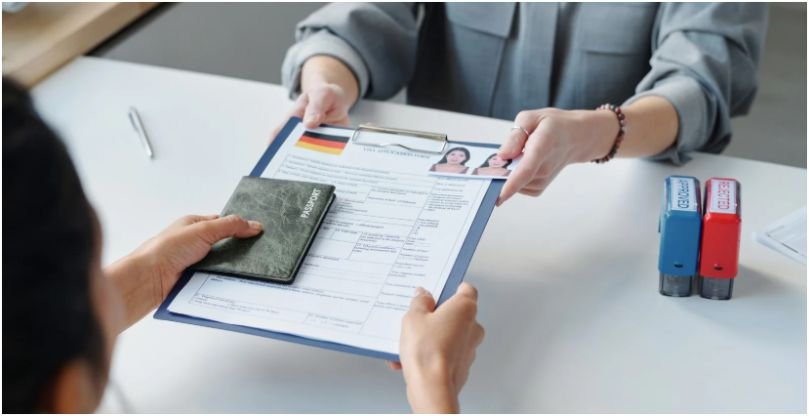
Planning a trip to Europe? Whether you’re off to explore historical cities, indulge in the delicious food, or relax by the Mediterranean, getting your Schengen Visa sorted is key to ensuring everything goes smoothly.
As someone who’s been through the process a few times, let me break down exactly what you need to get your application in order. Let’s make this as stress-free as possible!
What Is the Schengen Visa and Why Do You Need It?
Before we get into the specifics of the documentation, let’s clear up what a Schengen Visa is and why you need it. The Schengen Area includes 27 European countries where you can travel freely without passport control between them, so you’ll need a Schengen Visa to visit more than one of these countries during your trip.
As of 2025, applying for a Schengen Visa will require you to submit a set of documents to the embassy or consulate of the country you plan to spend the most time in (your primary destination). The good news? The process is fairly straightforward when you have the right checklist in hand.
Key Documents You’ll Need for Your Schengen Visa Application
1. Visa Application Form
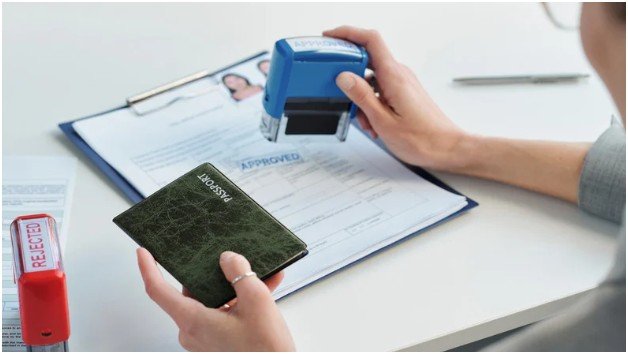
The first thing you’ll need is the completed and signed visa application form. For most countries, like Germany, you’ll fill it out online using the VIDEX system. This form will include everything from your personal details to your travel plans. It’s a good idea to double-check everything before submitting it—mistakes can cause delays!
2. Valid Passport
Your passport should be machine-readable, issued in the last 10 years, and valid for at least 3 months after you plan to leave the Schengen Area. Make sure it has at least two blank pages for the visa stamp.
3. Two Recent Passport-Style Photos
These should be 35x45mm, taken against a light background. They need to be recent—ideally, within the last 6 months.
4. Travel Medical Insurance
Don’t skip this one. You’ll need travel medical insurance that covers a minimum of €30,000 for medical emergencies, hospitalization, and repatriation during your time in the Schengen Area. Make sure it’s valid for the entire duration of your stay.
5. Proof of Paid Visa Fee
The standard fee for a Schengen Visa is €80 for adults. However, depending on your nationality, the fees might vary, and children may pay less or nothing at all. Once you’ve paid, keep that receipt safe!
Step-by-Step: How to Prepare the Other Required Documents

Now, let’s get into the other key pieces of the puzzle that you’ll need for your Schengen Visa application.
Flight and Itinerary Documentation
- Flight Reservation: You’ll need to provide a flight reservation showing both your entry and exit from the Schengen Area. This doesn’t mean you have to purchase tickets right away, though. A simple reservation will do. Just be sure that it’s refundable in case your visa gets delayed.
- Cover Letter: Write a short personal letter explaining the purpose of your trip and your planned itinerary. This is where you detail your daily activities, like the cities you’ll visit and what you plan to do. Think of it as a mini travel diary!
Accommodation Proof
- Hotel Reservations or Host Invitation: If you’re staying at hotels, provide confirmed bookings for the entire duration of your stay. If you’re staying with family or friends, get a formal invitation letter from your host along with a copy of their passport or ID.
Proof of Financial Means
- Bank Statements: The embassy will want to see proof that you can cover your expenses while traveling. Submit original personal bank statements from the last 3 months showing sufficient funds.
- Sponsorship Letter: If someone is covering your expenses, you’ll need a signed sponsorship letter along with their bank statements.
What Documents Do You Need Based on Your Employment Status?

Your job situation will affect the documentation you’ll need to provide. Here’s what you should include depending on whether you’re employed, self-employed, or a student:
Employed?
- Employer Letter: You’ll need a letter from your employer stating your position, salary, and the dates you’ve been granted leave. Include your last 3 payslips as well.
Self-Employed?
- Business Documents: Provide your business registration documents and the most recent income tax return to prove your self-employment status.
Student?
- Enrollment Letter: Students will need a letter from your school or university confirming your enrollment. You should also include a No Objection Certificate (NOC) that confirms you have permission to travel during your study period.
How to Apply for Your Schengen Visa: Step-by-Step Process
Now that you have all your documents ready, let’s walk through the application process.
1. Choose Your Embassy
Apply at the embassy or consulate of the country you will spend the most time in. If you’re spending equal time in multiple countries, apply to the embassy of the country where you’ll enter the Schengen Area first.
2. Schedule an Appointment
Most embassies and consulates require an appointment to submit your visa application. Check the website of the embassy in your area to find out how to schedule it.
3. Submit Your Application
Bring all your documentation to your appointment. The visa officer will review everything and may ask additional questions.
4. Wait for Processing
After your appointment, the embassy will process your application. Typically, the processing time takes around 15 days, but it’s best to apply at least a month before your travel date to avoid delays.
5. Collect Your Visa
If your visa is approved, you’ll be notified to collect your passport. Ensure all details on the visa are correct before you leave.
Common Questions About the Schengen Visa
1. Do I need a Schengen Visa if I’m only transiting through a Schengen country?
If you’re only transiting and not leaving the airport, you might not need a visa. However, if your layover involves leaving the airport, you will need a visa. Always check with the embassy to be sure.
2. Can I apply for a Schengen Visa if I’ve been refused before?
Yes, you can still apply for a Schengen Visa even if you’ve been refused before. However, you’ll need to address the reasons for the refusal in your new application.
3. How long can I stay in the Schengen Area on a short-stay visa?
A Schengen short-stay visa allows you to stay up to 90 days within a 180-day period in the Schengen Area. Make sure to plan your travel dates carefully.
Ready for Your Schengen Visa? Here’s Your Tip!
Before you start gathering documents, my best advice is to stay organized. Create a checklist (you can use this blog!) and make sure to double-check every document.
The process may seem a bit daunting at first, but once you’ve got everything in place, you’ll be all set for your European adventure!