

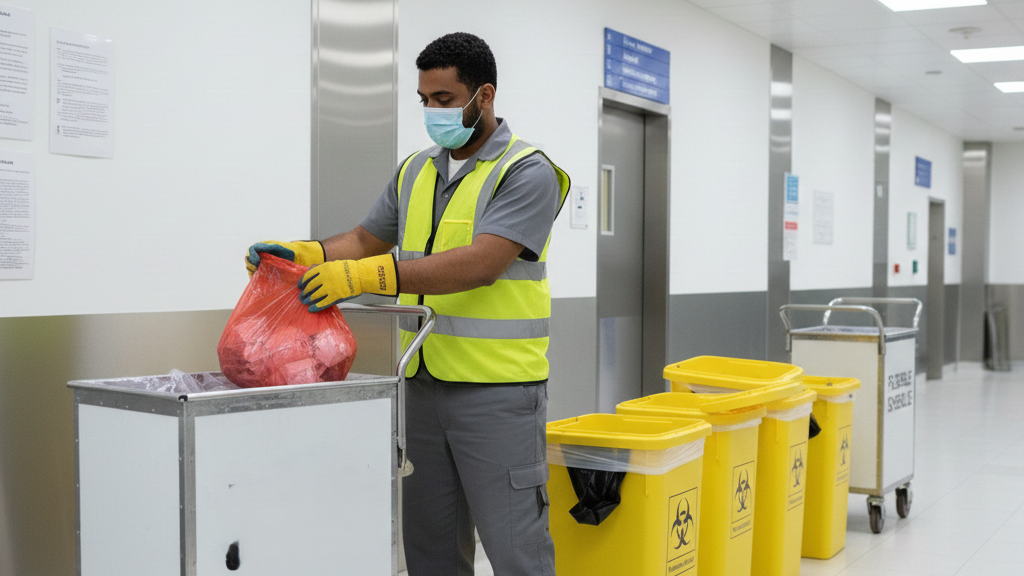
Proper collection should be done to ensure that medical waste pickup is properly planned, handled, and collected. Organizations that produce controlled waste are regularly interested in flexible solutions that are equally capable of keeping up with the operations of the organization.
Fixed agreements are at times restrictive and thus cannot be changed easily in case of a change of circumstances, and then the collection frequency is to be changed. A flexible pick-up structure assists in ensuring safety and assisting in efficient operations.
Factories that make controlled products should be able to remove them in time so that they are not subjected to storage hazards. Late pick up can be a source of compliance issues and inconvenience.
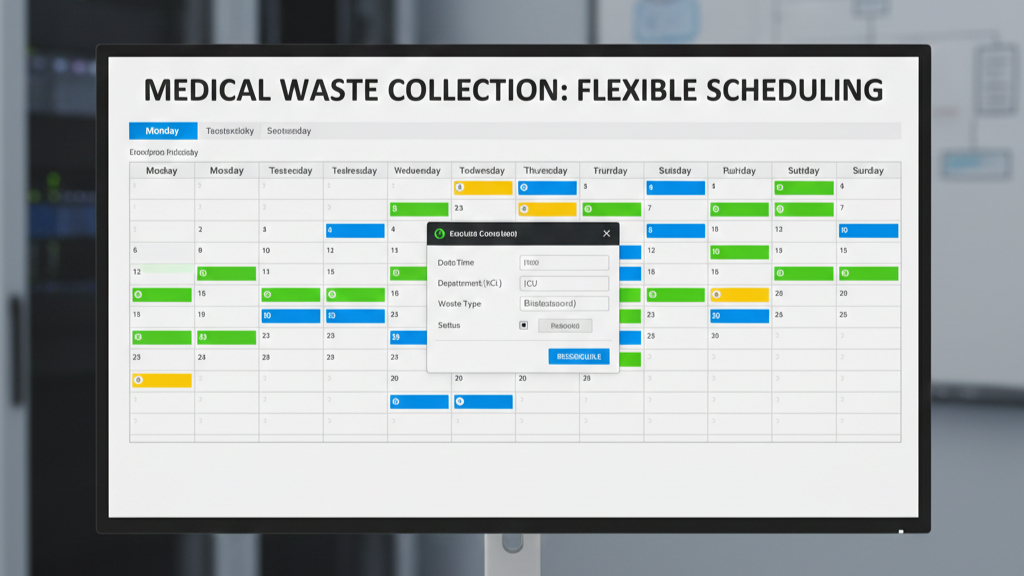
Flexible scheduling enables organizations to be flexible in the collection according to the volume of waste, the activity level of operations, and the expectations of regulations. This strategy assists in safety and efficiency.
Advantages of Flexible Scheduling for Medical Facilities
When an organization sets waste management strategies, it usually considers adjustable collection arrangements. Most of the facilities consider the possibilities concerning the medical waste disposal in virginia as the wider compatibility of the research in compliance, so that services are observed concerning the accepted standards and are not embedded in the strict agreements.
Flexible scheduling enables changes when there are changes in operations. The facilities are able to add or decrease the frequency of pickup depending on the patterns of waste.
This flexibility lowers the unwarranted spending and ensures safe storage conditions. Effective communication with the service providers is a way of getting it consistently and reliably collected.
Core Service Benefits of On-Demand Waste Collection
The benefits of using flexible pickup include a number of options for organizations dealing with controlled waste. Knowledge of these advantages assists decision makers to make appropriate decisions.
The points below show how the flexibility of services promotes operational efficiency and regulatory conformity.
- Flexible collection based on the amount of waste and not required to make long-term commitments.
- Refine cost management with payment models that are congruent with the actual use of services.
- Minimize storage risk by making sure that waste is removed in time according to the needs of the facilities.
- Improve operational planning by means of predictable but modifiable waste pickup arrangements.
- Promote regulatory adherence to uniform and standardized collection protocols.
These benefits assist organizations to remain safe as they manage resources.
Achieving Cost Efficiency and Budget Transparency

Flexibility agreements are normally effective in planning the finances of organizations. Unnecessary spending is minimized by paying only for the needed services. The facilities are able to match the level of service to the needs of the operations instead of the rigid schedules.
Budgeting accuracy is also aided by cost transparency. Explicit service agreements avoid any surprises on the bill and ease the planning of finances. The predictable pricing advantage is enjoyed by the organizations, but the ability to increase or decrease the frequency of collection remains.
Effective medical waste cost control enables the facilities to invest in the main operations. Balanced budgeting helps in compliance and stability of operations.
Criteria for Waste Management Provider Selection
When deciding on a waste service provider, one has to be careful. The facilities must put into consideration reputation, compliance record, and flexibility in the services.
The considerations below can assist organizations in choosing the right partner for the collection of waste.
- Check provider certifications to ensure they have met the accepted standards of waste management.
- Evaluate response time to changing pickup schedules to adjust to operational changes.
- Evaluate communication clarity so that there is a smooth coordination of the facility and provider.
- Audit documentation practices that aid regulatory compliance and audit readiness.
- Attest to secure handling processes that safeguard personnel’s well-being and environmental accountability.
Considerable selection is useful to ensure consistent and conforming waste management processes.
Maintaining Regulatory Compliance and Documentation
The management of medical waste pickup is still based on regulatory compliance. Flexible scheduling should not violate any safety and documentation requirements. The providers are expected to keep good records of the collection operations and disposal.
Regular monitoring of compliance helps facilities to evade possible sanctions. Frequent interaction between facilities and service providers assists in keeping the facilities in line with regulatory expectations. Safe operations are assisted by proper labeling, storage, and documentation.
The facilities that focus on compliance and flexibility meet long-term better outcomes. Organized operations and flexible timetables reinforce the stability of operations.
Optimizing Operational Efficiency and Workflow
Effective waste minimization helps in the day-to-day smooth running. Flexible pickup schedules eliminate the build-up of controlled materials and unnecessary frequency of the services.
Storage plans can be more efficient and effective when it is possible to be flexible with collection schedules. Adequate coordination among service providers will make sure that removal is done in time without interruption. To a greater degree, efficiency enhances safety and continuity of workflow.
The effectiveness at work also promotes employee confidence. Employees will be able to concentrate on key tasks without worrying about waste management procedures being unreliable and non-compliant.
Frequently Asked Questions (FAQ)
1. Why would flexible medical waste pickup schedules be the best?
Scheduling flexibility is used to align the collection frequency and the real waste generated.
2. Is there a relation between adjustable schedules and regulatory compliance?
No, there is compliance through adequate handling, documentation, and authorised disposal procedures.
3. How can organizations cope with flexible services to control costs?
The payment in accordance with the usage of the service prevents unnecessary costs.
4. What is important during the choice of a waste service provider?
The quality of communication, compliance record, reputation, and responsiveness are considerate.
5. Is flexible scheduling an effective way to enhance operational efficiency?
Yes, prompt removal will avoid the problems of storage and facilitate the easy management of work.
Proactive Risk Management and Storage Safety
Risk management is one of the priorities of companies that deal with controlled trash. Adaptable pick-up times minimize the possibility of overstocking, which may raise security issues. Elimination in time promotes safer working environment and compliance with the regulations.

Assessment of the risks must continue. Plants should be able to track the trends of waste production and vary the work schedules. Effective communication with the service providers will be used to avoid delays and misunderstandings.
There are preventive measures that enhance the stability of operations. Facilities that expect needs advance in order to have safer environments and uniform compliance results.
Ensuring Service Reliability and Long-Term Stability
A quality collection of medical waste pickup services will help build confidence of long term operations. Providers in facilities have a regular communication level and reliable timetables.
Companies that screen such practices like medical waste disposal in virginia tend to acquire knowledge about systematic compliance guidelines. The implementation of these insights with the use of flexible agreements can be helpful to both flexibility and compliance with regulations.
Trustworthy service relationships enable the facilities to concentrate on their core duty and also ensure responsible waste disposal. A reliable base of safe and efficient operations is provided through balanced planning, flexible scheduling, and consistent compliance awareness.