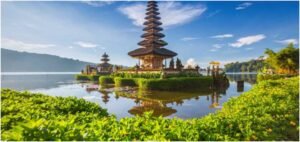


Traveling is more than just visiting landmarks; it’s about immersing yourself in the local culture and connecting with the people. Staying in a guest house with cultural immersion offers a chance to live alongside locals, participate in traditions, and experience authentic cultural exchanges.
Having traveled extensively, I can confidently say that these guest houses provide some of the most enriching experiences, whether it’s cooking with a family in Thailand, learning crafts in Ghana, or staying in an eco-lodge in Costa Rica.
What Are Guest Houses with Cultural Immersion?
A guest house with cultural immersion isn’t just a place to sleep; it’s a space where you can live like a local. These guest houses provide an opportunity to stay with local hosts or within communities that are committed to sharing their culture with travelers. Often, these guest houses offer hands-on activities that allow you to learn skills, traditions, and practices that are unique to the area.
In contrast to conventional hotels that cater mostly to tourists, these guest houses offer an intimate look at a destination’s authentic culture. You might find yourself sharing meals with the family, participating in cooking classes, joining in a traditional dance, or helping out in local crafts workshops. It’s about building a deeper connection with the place and people around you.
Why Stay in a Guest House with Cultural Immersion?
If you’re wondering what makes cultural immersion so special, here are a few reasons why I believe staying in a guest house with cultural immersion is one of the best ways to travel:
1. It’s the Best Way to Connect with Locals
Staying in a local guest house means you’re not just an outsider observing a culture from afar. You’re part of it. Whether you’re helping your host prepare a meal, joining in on a local festival, or learning how to make traditional crafts, these experiences help you understand the real culture behind tourism.
When I traveled to Vietnam, I stayed in a family-run guest house in a rural village. I spent my days learning to cook Banh Xeo (Vietnamese pancakes), visited the local markets, and even attended a small wedding with my host family. These connections made my trip unforgettable, and it was an experience I would never have had in a typical hotel.
2. A More Authentic Travel Experience
Today, it’s easy to get caught up in the “tourist bubble” visiting the same sites everyone else sees, without truly experiencing the local culture. A guest house with cultural immersion offers an authentic local perspective that you won’t find in a guidebook. You’re not just checking boxes on a sightseeing list, you’re participating in traditions that have been passed down for generations.
During my stay in Costa Rica, I stayed at an eco-lodge that promoted sustainable living. Not only did I get to experience the natural beauty of the area, but I also participated in tree planting projects with local guides, learning about the conservation efforts that protect the country’s biodiversity.
3. Learn New Skills and Traditions
One of the most enriching parts of cultural immersion is the chance to learn new skills and traditions directly from the locals. This could mean taking a cooking class, learning a traditional dance, weaving baskets, or practicing a local language. These hands-on experiences make you feel like you’re not just a tourist, but an active participant in the community’s way of life.
When I stayed in India, I spent several days with a family in the Rajasthan region. They taught me how to prepare traditional Indian dishes and shared the history of the cuisine. It was an experience that taught me not just about food, but about the cultural significance of each dish in Indian society.
Top Guest Houses Around the World for Cultural Immersion
If you’re ready to step off the beaten path and dive into a culture-rich travel experience, here are some incredible guest houses with cultural immersion that I highly recommend:
1. Traditional Balinese Homestays in Ubud, Bali
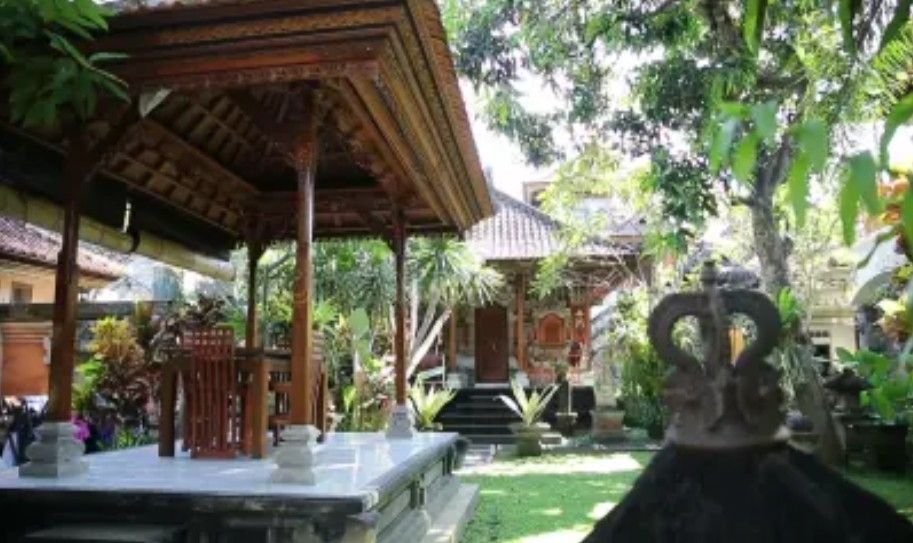
Bali is known for its serene landscapes, vibrant arts scene, and deeply rooted Hindu culture. Staying in a traditional Balinese homestay in Ubud offers a unique opportunity to immerse yourself in the island’s customs. You can participate in local cooking classes, learn about traditional ceremonies in Bali, or even take part in offerings to the gods.
During my visit, I joined a Balinese cooking class with a local family, where I learned to make dishes like Nasi Goreng (fried rice) and Babi Guling (suckling pig). Later, I joined them in a temple procession, which was a truly unforgettable experience.
Why It’s Special:
- Traditional dance lessons and cooking classes with local families.
- Visit temples and participate in spiritual rituals.
- Learn how to make traditional Balinese offerings.
2. Eco-Lodges in Costa Rica: Living with Nature
Costa Rica is an incredible destination for nature lovers, and staying in an eco-lodge in the rainforest provides the perfect blend of cultural immersion and environmental sustainability. Many of these guest houses are run by local families, and they offer a chance to participate in activities such as wildlife tours, tree planting, and learning about sustainable farming practices.
I stayed at an eco-lodge in the Monteverde Cloud Forest where I helped plant trees, took nature walks with local guides, and stayed in a cozy cabin built from recycled materials. The experience of learning about Costa Rica’s commitment to conservation was eye-opening, and I felt like I was actively contributing to the local community.
Why It’s Special:
- Learn about sustainability and conservation efforts.
- Participate in rainforest tours with local guides.
- Volunteer opportunities for environmental causes.
3. Homestays in Tuscany, Italy: Wine and Culture

Image Credits: CoolStays In Tuscany
Tuscany is a place where the art of living is as important as the food, wine, and landscape. Staying in a family-run homestay gives you a deeper connection to the land and its centuries-old traditions. Whether it’s participating in a vineyard tour, learning the art of Tuscan cooking, or exploring medieval villages, these guest houses offer an unforgettable cultural immersion experience.
During my stay in Tuscany, I joined a wine-making class and had the opportunity to spend time with a local family who shared their recipes for traditional pasta dishes. This was a perfect example of how authentic experiences can be intertwined with local culture.
Why It’s Special:
- Learn about Tuscan wines and participate in wine tastings.
- Take part in local cooking classes and artisan workshops.
- Stay in traditional farm houses with breathtaking views of the countryside.
Frequently Asked Questions
1. How do I find a guest house with cultural immersion experiences?
You can search for cultural immersion guest houses through local tourism websites, cultural exchange programs, or dedicated platforms like Airbnb, Homestay.com, or Ecotravel.
2. What activities can I expect at a cultural immersion guest house?
Expect activities such as cooking classes, local tours, traditional ceremonies, language lessons, and art or craft workshops.
3. Are these stays more expensive than hotels?
Cultural immersion guest houses are often more affordable than luxury hotels, but prices vary depending on location and the type of experience offered. They usually offer better value in terms of cultural exposure.
4. Can I book a cultural immersion guest house for a short stay?
Yes, many cultural immersion guest houses offer stays ranging from a few days to a week, so you can experience local culture even on short trips.
Final Thoughts
Staying in a guest house with cultural immersion is one of the best ways to experience the soul of a destination. It’s not just about sleeping in a bed; it’s about living the culture, learning from local people, and engaging in meaningful, hands-on activities.
Whether you’re cooking traditional dishes, learning a new craft, or helping with sustainable farming, these stays offer an authentic, enriching travel experience that you’ll never forget.