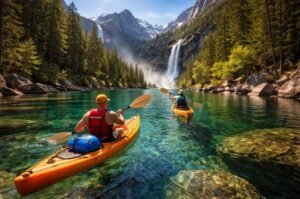

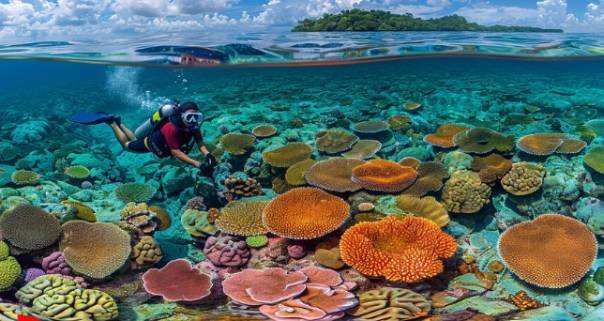
Touring a secure oceanic habitat provides a unique opportunity to view sea life and also promotes conservation consciousness. Most tourists use these experiences to relax, learn, and have the ability to create an enhanced bond with nature.
Access to these can be restricted due to the sensitive ecosystems, and planning is therefore required to make the visit smooth. The preparation prevents wasted chances and provides comfort and safety in the course of the outing. Snorkeling trip should be well organized, and also to make sure that the environmental guidelines are respected.
Navigating Access and Reservation Policies
Marine reserves usually restrict the number of visitors in order to conserve underwater environments. Most tourists who plan trips to the secure territories consider organized directions, such as a Hanauma Bay tickets reservation guide, effective when acquiring information about the reservation policies.
Trusted planning with marine preserve visit planning guidelines assists in the clearance of booking windows, visitor needs, and conservation anticipations before arrival.
Preparation and Essential Gear Selection
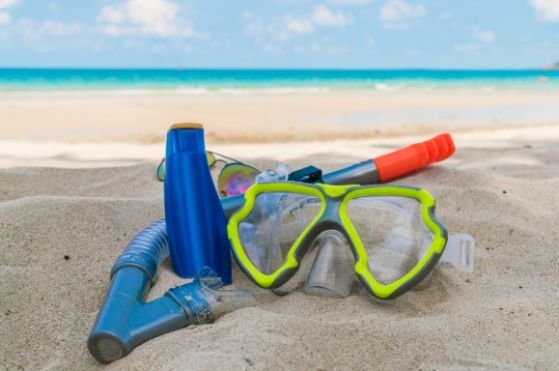
Comfort, safety, and care in marine environments are ensured through proper preparation. The choice of equipment is organized and makes the snorkeling experience less stressful and generally better.
Necessary Equipment for Snorkelers
- Appropriate Attire: Cozy swimming attire makes movement easy and less distracting during underwater observation sessions.
- Optical Equipment: Clear vision tools are used to increase visibility so that the natural surroundings of the aquatic environment can be appreciated better.
- Protective Footwear: Safety shoes help in safe access in rocky grounds without disrupting the delicate marine ecosystem.
- Buoyancy Support: Lightweight safety flotation aids are also used as a way of offering confidence to beginners venturing into new water bodies.
- Storage Solutions: Storage pouches allow personal belongings to be secure and easily accessible in case of shoreline preparation.
Environmental Consciousness Before Entering the Water
Ecological sensitivity is an important aspect before any snorkeling activity begins. Most of the conservation authorities often focus on education to save the fragile marine systems. Tourists seeking eco-friendly snorkeling activities tend to get to know how minor steps impact the balance of the environment.
Knowledge of marine animals’ behavior, habitat conservation, and visitor education and responsibilities is a guarantee of a pleasant but responsible involvement.
Critical Safety Guidelines for Snorkeling Visits
Safety preparation can be used to prevent unwarranted risk and to assist in a pleasant and relaxing excursion. Knowledge of easy methods of caution improves self-confidence in underwater search.
On-Site Safety and Logistics
- Environmental Assessment: It is better to verify the weather and water conditions in advance in order to prevent unsafe or unpredictable conditions to snorkel in.
- Visibility Measures: Wear conspicuous safety signs to enable other people to identify your presence in the aquatic explorations.
- Zone Adherence: Work in designated places to decrease the impact on the environment and ensure the personal standards of safety.
- Hydration Management: Have hydration supplies available to ensure physical comfort in case of long exposure to the outdoor environment.
- Communication Protocol: Instruct companions of plans to aid and assist in the case of unforeseen circumstances.
Selecting the Proper Time for Your Visit
Time largely influences the visibility and comfort in general during snorkeling exercises. Planning will enable the visitors to dodge overcrowding and have a more relaxed environment.
The ability to learn seasonal variations, water visibility variations, and trends in visitor traffic usually helps people who research snorkeling trip preparation tips. The choice of time improves safety and pleasure.
Appreciative Coexistence With Ocean Life
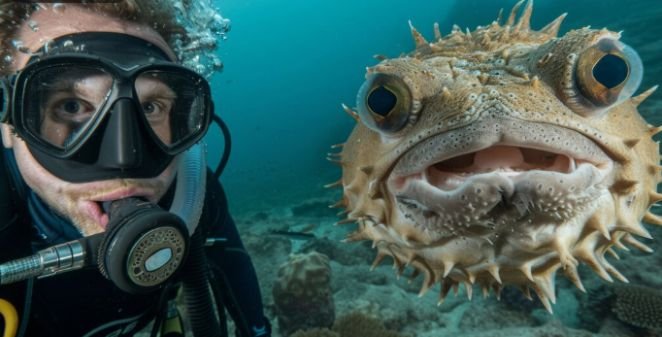
The responsible observation will keep the ecosystems intact so that they can be looked upon by future visitors. Respectful behavior is known, and it allows keeping the ecological balance.
Responsible Wildlife Interaction
- Movement Control: Keep the movements to a minimum so as not to frighten marine animals and disturb underwater ecosystems unnecessarily.
- Coral Protection: It is important not to touch coral structures since interaction can lead to irreparable environmental destruction within a short period of time.
- Distance Observation: Monitor aquatic species at a remote distance without human interference in the way they behave naturally.
- Resource Preservation: Children should not take natural objects because preservation maintains the current ecological sustainability drive.
- Policy Compliance: Adhere to preserve policies that promote long-term conservation effectiveness and quality of visitor experience.
Improving Visit Comfort and Practicality
Comfort enhances comfort and pleasure. Ready visitors usually have a more enjoyable time snorkeling.
When traveling with the purpose of acquiring knowledge on coastal nature exploration, the resources of the traveler usually concentrate on the practical preparation, including rest periods, hydration consciousness, travel packing and protective garments. Basic comfort precautions lead to extended enjoyment and enhance responsible involvement.
Long-term Environmental Conscience and Advocacy
A conservation attitude is not a one-time occurrence. The ongoing awareness preserves the marine environments all over the world. People going through sustainable marine tourism tips often embrace responsible practices that would facilitate conservation.
Education, consideration, and advocacy will allow permanent ecological safeguarding and promote positive visitor experiences.
Strategic Visit Planning
Proper planning can make the mere snorkeling field trip an experience worth having. Having knowledge of the reservation systems, safety, and environmental expectations provides a balanced strategy.
Lots of tourists have the advantage of systematic references like the Hanauma Bay tickets reservation guide to arrange guided marine tours. For future generations, careful planning will guarantee the pleasant exploration and further safeguarding of the ecosystem.