


Picture this: you’re all packed and ready for your cross-country road trip, music blasting, snacks at arm’s reach, but then you suddenly realize it: What are the gun laws while traveling by car? Can I carry my firearm across state lines? Do I need a permit? It’s not just a random thought; it’s essential to understand the rules before you get behind the wheel with your firearm.
Gun laws for traveling by car can be complicated. Navigating a patchwork of varying state regulations, combined with federal protections, means you need to be prepared. So let’s clear things up. Here’s everything you need to know to make sure your travels are safe, legal, and stress-free.
Why Do Gun Laws While Traveling by Car Vary So Much?
When you’re hitting the road with your firearm, it’s crucial to understand that gun laws are not the same across the U.S. Every state has its own set of rules about what you can and can’t do when traveling with a firearm.
This creates a patchwork of laws that vary greatly from state to state. For example, while carrying a gun in Texas might be as simple as following basic storage rules, states like California or New Jersey have strict rules that could leave you facing serious legal issues.
In short, the rules you need to follow depend on where you’re traveling. Federal law provides a framework for firearm transport through states, but each state enforces its own restrictions. So, how do you know what’s legal? That’s where understanding the Firearm Owners’ Protection Act (FOPA) and checking local laws come in handy.
How to Legally Carry Your Firearm While Traveling by Car
The first thing you need to understand is that the Firearm Owners’ Protection Act (FOPA) helps protect you when you’re traveling with a firearm through states where it may not be legal. However, FOPA protection only applies under certain conditions. Here’s the breakdown of how to legally carry your firearm while driving:
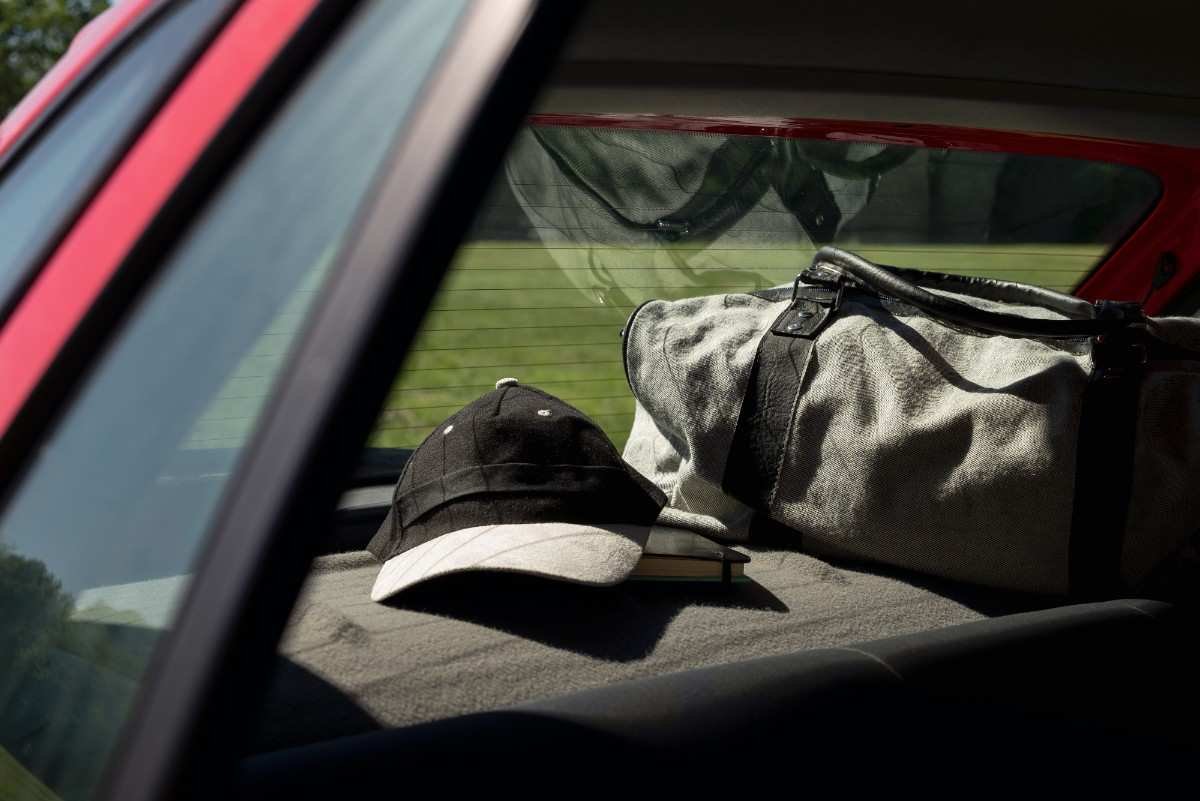
1. Make Sure It’s Legal at Both Ends
Before hitting the road, make sure possessing a firearm is legal in both the state you’re leaving from and the state you’re traveling to. If it’s not legal at your destination, FOPA protection doesn’t apply.
2. Unload Your Gun
Your firearm must be unloaded. Federal law also requires that both your gun and ammunition be in a locked container, out of reach from the driver or passengers. This means no storing it in the glove box or the center console.
3. Keep the Firearm Stored Correctly
To stay in compliance, the firearm must be locked up in the trunk or another inaccessible part of the vehicle. Keeping it within arm’s reach or in the passenger compartment could be a violation.
4. Stay on Track
FOPA only protects “uninterrupted travel.” This means that if you stop for things like sightseeing or a family visit, you could lose FOPA protection.
Common State Restrictions About Gun Laws While Traveling by Car
While federal law provides some protection, states like New York, New Jersey, and California may still enforce their own rules. These states are known for their strict gun laws, and if you’re passing through them, it’s essential to be extra cautious.

- Permit Reciprocity: Some states, like Texas, honor concealed carry permits from other states, while California does not recognize out-of-state permits. You’ll need to check if your permit is valid in the states you plan to travel through.
- Definition of Loaded: What constitutes a “loaded” firearm can vary. In some states, a gun might be considered “loaded” even if it’s not chambered, as long as the ammunition is easily accessible.
- Duty to Inform: In many states, if you’re stopped by law enforcement, you must immediately inform the officer that you’re carrying a firearm. Not doing so could lead to legal trouble.
- Magazine Capacity: Even if your firearm is legal, states like California and New York may limit the number of rounds your magazine can hold, typically restricting it to 10 or 15 rounds.
How to Stay Safe and Compliant While Traveling with a Firearm
When it comes to traveling with a firearm, there’s no such thing as being too careful. Follow these best practices to ensure you’re traveling safely and legally:
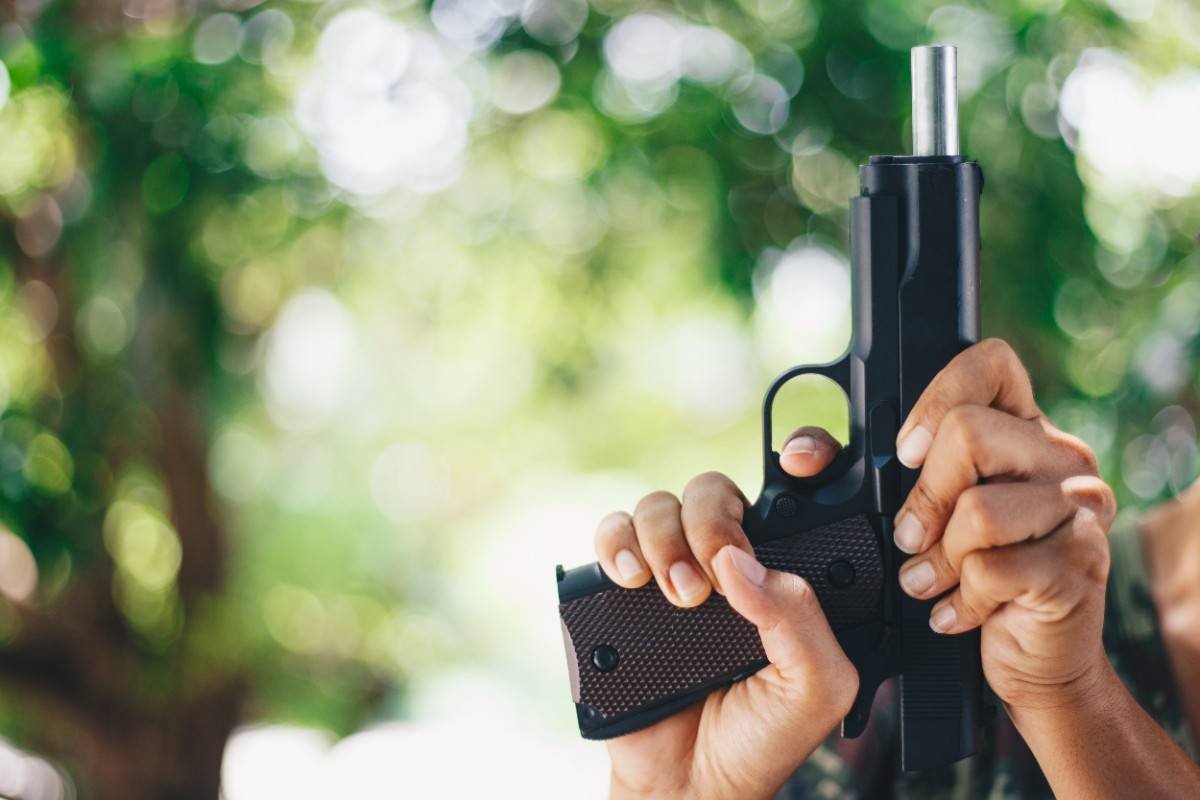
- Use a Locked Case: Always store your firearm in a locked, hard-sided container—preferably in your trunk. This keeps you in compliance and ensures your firearm stays secure.
- Separate Your Ammo: While not always federally required, it’s a good idea to store your ammunition in a separate locked container from your firearm. This adds an extra layer of security.
- Check Reciprocity Maps: Before you even leave your driveway, use tools like the USCCA Reciprocity Map or Handgunlaw.us to verify if your concealed carry permit is valid in the states you’ll be passing through.
- Avoid Prohibited Zones: Be aware that some areas, like schools, government buildings, and private properties (such as Disney World), prohibit firearms. Make sure to plan your route carefully to avoid these zones.
Frequently Asked Questions
1. Can I carry my gun across state lines without a permit?
It depends on the states you’re traveling to and from. Federal law under FOPA allows for the transport of firearms across state lines if the journey is uninterrupted, but you’ll need to ensure that the laws in both your origin and destination states allow it. States like Texas and Arizona may allow interstate travel with fewer restrictions, but others may require a concealed carry permit.
2. What should I do if I’m stopped by police while carrying a firearm?
If you’re stopped by law enforcement, always inform the officer immediately that you’re carrying a firearm. Keep your hands visible, follow the officer’s instructions, and never attempt to access your weapon without permission. Each state has different rules on whether you need to provide your concealed carry permit upon request, so be sure you know the laws of the state you’re in.
3. What’s the best way to store a gun in my car during a road trip?
The safest and most legal way to store a gun in your car is to keep it unloaded and in a locked, hard-sided container in your trunk or another area out of reach from the driver or passengers. Make sure the ammunition is stored in a separate locked container. This keeps you compliant with federal and state laws and ensures your firearm is secure.
Stay Safe and Know the Law Before You Hit the Road
When it comes to gun laws while traveling by car, knowledge is your best defense. By following federal regulations and understanding the specific laws of each state you’re passing through, you can avoid unnecessary legal issues and enjoy a smooth, hassle-free road trip. Always remember to check state reciprocity, store your firearm safely, and stay informed about the rules of the road.
And, most importantly, stay safe and respect the laws because no one wants their vacation cut short by a run-in with the law. Pack up, plan ahead, and get ready to hit the road with confidence.