


When I first started planning my international trips, I’ll admit—travel insurance wasn’t high on my radar. It seemed like just another expense on top of flights and hotels. But over time, I’ve come to realize how crucial it is to have a solid travel insurance plan in place.
So, how much does travel insurance cost for international travel, really? Let’s break it down in a way that’s easy to understand.
What Factors Affect the Cost of Travel Insurance?

When I booked my first big overseas trip, I had no idea what would affect my insurance premium. Turns out, there’s a lot to consider.
From the total cost of your trip to where you’re going, each factor plays a role in determining how much you’ll pay for insurance. Here are the main things you need to think about.
1. Total Trip Cost
If you’ve spent thousands on flights, hotel bookings, and tours, your insurance premium will be a percentage of that. Generally, travel insurance costs between 4% to 10% of your total prepaid, non-refundable expenses. For example, a $5,000 trip could cost you anywhere from $200 to $500 to insure.
The more you’ve invested in your trip, the higher your premium will likely be. Travel insurance protects those non-refundable costs in case something goes wrong—like a missed flight or unexpected illness—so keep that in mind when budgeting.
2. Destination
Where you’re headed plays a huge role in your premium. If you’re traveling to countries with higher medical costs, like the U.S. or Japan, expect to pay more for coverage. Some destinations may even come with additional risks (like Antarctica or remote areas in Africa), meaning your insurance could cost between $600 and $900.
On the flip side, places like Europe or Asia tend to have lower premiums, around $200 to $300, because medical care is less expensive in these areas.
3. Age and Health
The older you are, the more expensive your insurance will be. This is especially true if you’re over 65, as the risk of health issues during your trip increases. If you have a pre-existing medical condition—such as heart disease or diabetes—you’ll likely face higher premiums as well.
It’s best to declare any health conditions upfront because leaving them out can lead to denied claims later on.
What Types of Travel Insurance Plans Should You Consider?
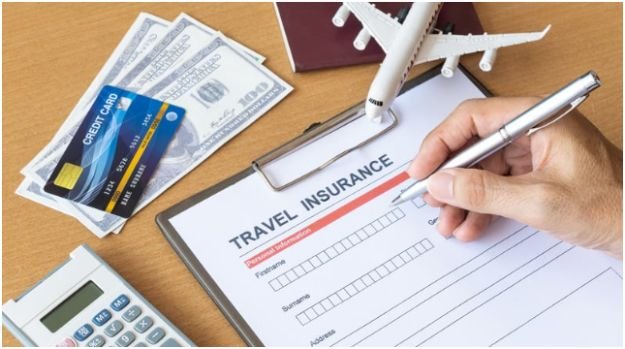
Not all travel insurance plans are created equal. From basic health coverage to comprehensive plans that cover everything from cancellations to lost baggage, there’s a range of options to suit your needs. Here’s what to look at when choosing the right plan for your trip.
Comprehensive Plans
Comprehensive plans are the all-in-one options that give you peace of mind. They typically cover trip cancellations, medical emergencies, and even lost baggage. If your trip cost is high, this is likely the plan you’ll want to go with. For an average $5,000 trip, comprehensive plans usually run about $414, which is roughly 4%–10% of your total trip cost.
Comprehensive plans are perfect for those big-ticket vacations where you’ve got a lot invested. If you need to cancel your trip due to illness or something unexpected, comprehensive insurance has you covered for 100% of your non-refundable expenses.
Travel Medical Plans
If you’re only concerned about staying healthy during your travels (and not worried about cancellations or lost luggage), a travel medical plan might be the way to go. These plans focus purely on health coverage, including emergency medical care and evacuation if necessary.
The cost for a travel medical plan is significantly lower than comprehensive plans, averaging around $103 per policy for a trip. The daily rate can be as low as $1–$5/day, which makes it a great choice for shorter, low-cost trips.
Cancel For Any Reason (CFAR) Coverage
One of the most flexible add-ons you can choose is Cancel For Any Reason (CFAR). This allows you to cancel your trip for any reason—whether it’s a last-minute change in plans or a family emergency—and still get a refund. However, this flexibility comes at a cost. CFAR can add 40% to 50% to your base premium.
This might be worth it if you’re traveling somewhere with high non-refundable costs or if your schedule is unpredictable. But if your trip is already refundable or low-cost, you can probably skip it.
How to Choose the Right Travel Insurance Plan

Choosing travel insurance doesn’t have to be stressful, and I’ve found it’s best to take a systematic approach when considering your options. Here’s a quick, actionable guide to help you pick the best plan for your next adventure.
Step 1: Assess Your Trip’s Financial Investment
Start by calculating how much you’ve already spent on your trip. This will determine which type of plan you need—comprehensive if you’ve spent a lot, or travel medical if you’ve kept costs down. Be sure to account for everything from flights to accommodations to activities.
Step 2: Consider Your Health and Age
If you’re over 65 or have any pre-existing medical conditions, look for plans with higher medical limits and consider adding coverage for medical evacuation. Check if your current health insurance covers international travel—if not, a travel medical plan is a must.
Step 3: Compare Plans and Providers
I always recommend comparing plans from several providers to ensure you’re getting the best value. Websites like Squaremouth and InsureMyTrip let you compare dozens of options side-by-side. I’ve found that some providers offer perks like 24/7 customer support or trip delay assistance that can come in handy.
Step 4: Don’t Overpay for Coverage You Don’t Need
Make sure you’re not paying for coverage you won’t use. For example, if your trip is refundable or low-cost, skip the Cancel For Any Reason option. If you don’t plan on engaging in high-risk activities like skiing or scuba diving, you can skip those add-ons too.
FAQ: Your Travel Insurance Questions Answered
1. Do I really need travel insurance for international trips?
I used to think travel insurance was just another unnecessary expense, but after hearing about friends who had to cancel trips or deal with health emergencies abroad, I wouldn’t travel without it. It’s not just about protecting your investment in the trip, but also ensuring you’re covered if something goes wrong.
2. How can I lower my travel insurance premium?
To save on premiums, consider buying insurance as early as possible after booking your trip. Also, you can opt for a higher deductible or skip unnecessary add-ons (like CFAR) if your trip is low-risk. Some credit cards also offer travel insurance benefits, so check to see if you already have coverage.
3. What’s the difference between comprehensive and travel medical insurance?
Comprehensive plans cover everything from trip cancellations to medical emergencies, whereas travel medical insurance focuses strictly on health-related coverage. If you want more peace of mind for your entire trip, go for comprehensive. If you’re only worried about health and emergencies, medical insurance is your best bet.
Time to Pack—and Protect!
Now that you’ve got the lowdown on travel insurance, it’s time to make sure your trip is protected, so you can relax and focus on the fun stuff.
Whether you’re booking a luxury getaway or a quick weekend abroad, just remember that travel insurance isn’t just another expense—it’s peace of mind when things don’t go according to plan. Travel safe, and enjoy every moment!