
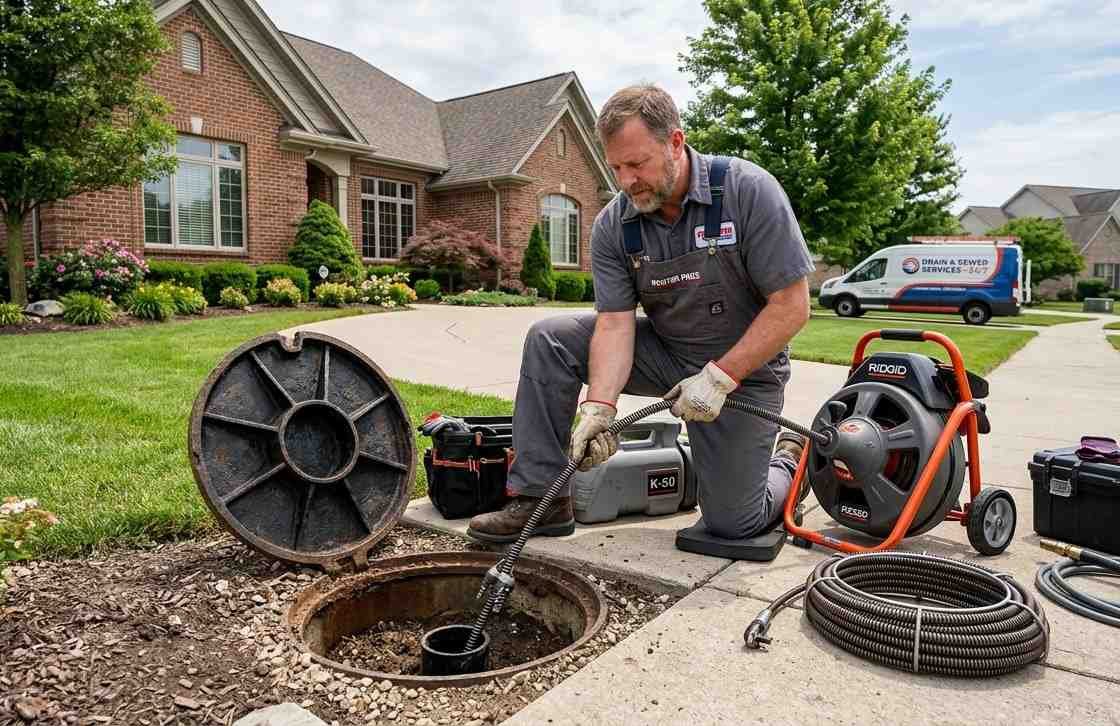
Most people’s approach to plumbing is “out of sight, out of mind.” If the water just goes down the drain, everything is hunky-dory. But your drainage system is the unacknowledged workhorse of your household, and ignoring it is a wager that doesn’t often pay off. Maintenance is more than a hassle — it’s a crucial financial move that keeps you from having to Replace Your Roof and Other Catastrophic Failures.
The Hidden Costs of Neglect
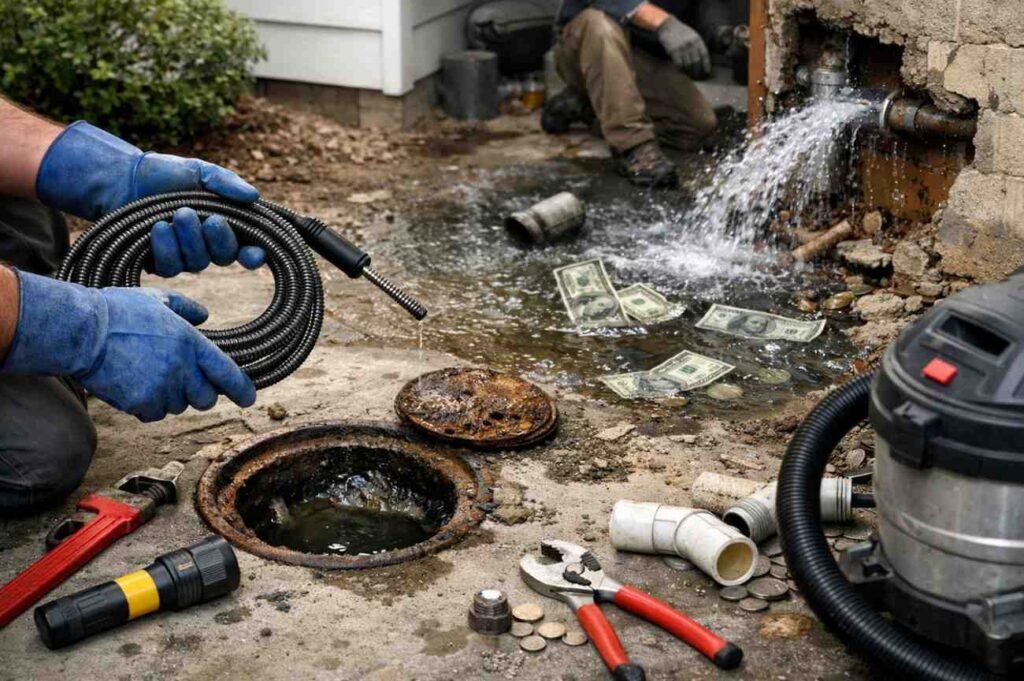
With debris such as hair, grease, soap scum, or food stuck inside your pipes, more than likely, there are no drain maintenance practices being conducted. The process creates what is called “calcification,” which is the narrowing of the pipe’s inner diameter. This restriction adds pressure on the system, leading to leaking or burst pipes.
You may already have internal damage if you see a sluggish drain. When it is serious enough to back up, it’s not just a few dollars for clogged drain repair; it’s potentially a few thousand dollars to do water damage restoration, mold remediation, and full pipe replacement.
Why Prevention is Cheaper than the Cure
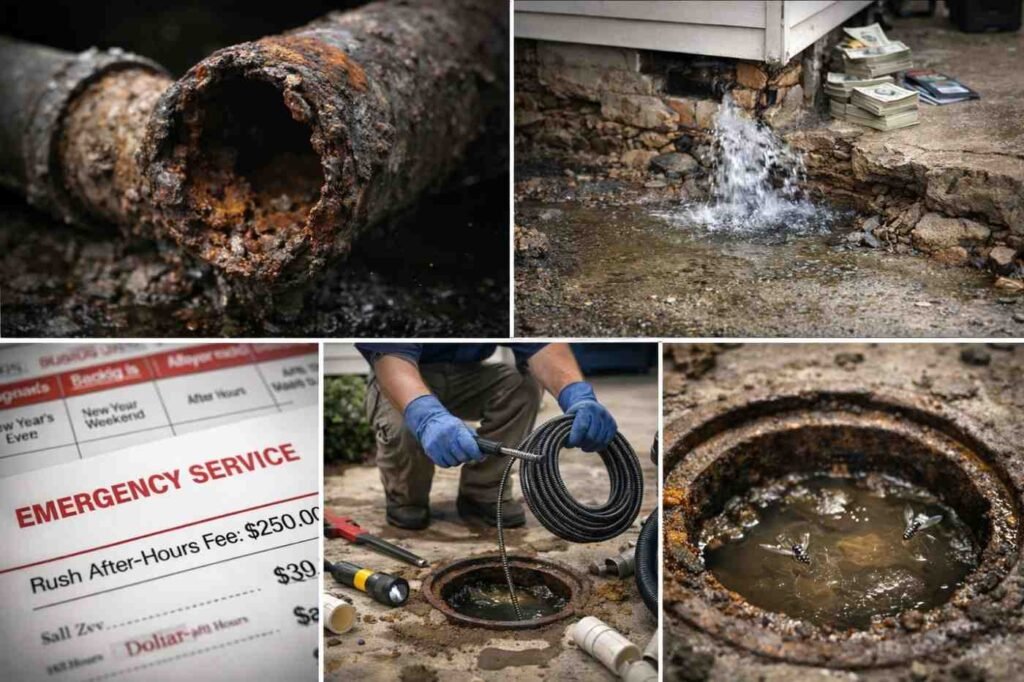
The math is pretty simple: Drain cleaning from a pro every couple of years will cost you a lot less than emergency plumbing work. Here is a little of how regular maintenance saves you money:
- Extends pipe lifespan: Organic waste-derived corrosive buildup can wear away older metal pipes. Preventing Premature “Rotting” From the Inside Out?
- Stops Foundation Damage: A large slab leak due to a collapsed drain pipe can cause foundation damage and make your home unsafe to live in. It’s a good idea to line your pockets with your credit cards – in those situations, dollar signs tend to fly pretty high.
- Avoids Rush Service Charges: Holidays and weekends are when most plumbing emergencies occur. Frequent maintenance enables you to arrange for the service during normal hours at standard rates, instead of paying “after-hours” rates.
- Protects Health: Blocked drains are home to all sorts of bacteria and drain flies. Flushing regularly will ensure your home remains a healthy place to live.
Red Flags to Watch Out For
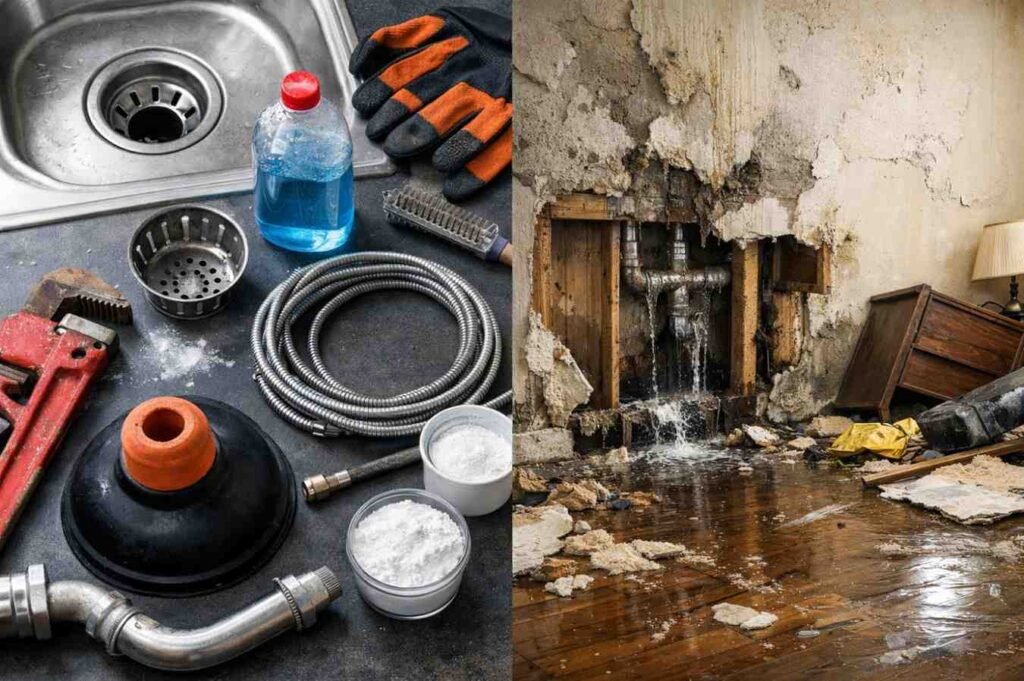
People can recognize plumbing problems without needing a certified plumber to confirm their existence. The process of proactive maintenance requires technical personnel to develop methods that enable them to discover problems before equipment failures occur.
- Persistent odors of sewage in the air mean that some kind of waste is trapped in the pipes and rotting.
- Endless Blocks: if the plunger escapes from the toilet bowl more times than you can count, then buckle up: you’re facing a problem that a couple of plunges just aren’t going to solve.
“Proactive” is invariably less costly than “reactive” in the realm of homeownership. The common tendency to postpone plumbing repairs until an urgent situation arises proves to be a costly mistake because sewer line clogs and burst pipe clean-up operations require substantial financial resources. Your basement stays dry because you conduct inspections and professional cleaning while your system operates according to its intended design. At least a little investment in prevention ensures you avoid tomorrow’s expensive, emergency drain repair bill.