

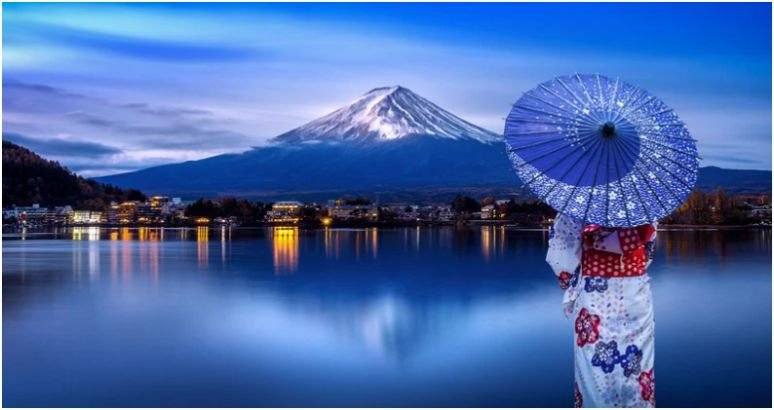
Japan is a country that truly offers something for every traveler, no matter the season. I’ve been lucky enough to visit Japan at various times of the year, and each season has its own magic. If you’re wondering when is the best time to visit Japan, let me share my personal experiences and tips based on what I’ve seen and loved.
From cherry blossoms in spring to snowy peaks in winter, Japan’s seasons are distinct, and knowing what each one brings will help you decide when to pack your bags and hop on that flight. So, let’s break it down together, and I’ll give you everything you need to make your decision!
What’s the Weather Like in Japan Throughout the Year?
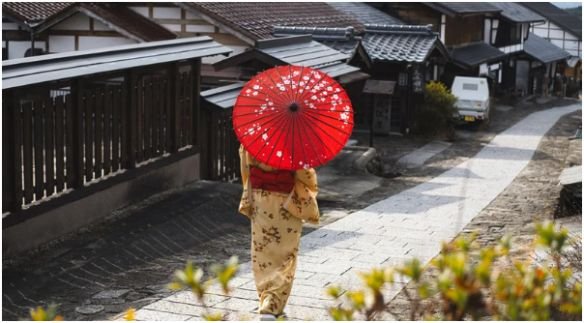
When I first decided to visit Japan, one of my main concerns was the weather. I didn’t know what to expect from the seasons or how it would impact my travels. Over time, I’ve come to realize that the weather is one of the most important factors in picking your travel dates. Here’s what I learned.
Spring (March – May): Perfect for Cherry Blossoms and Pleasant Days
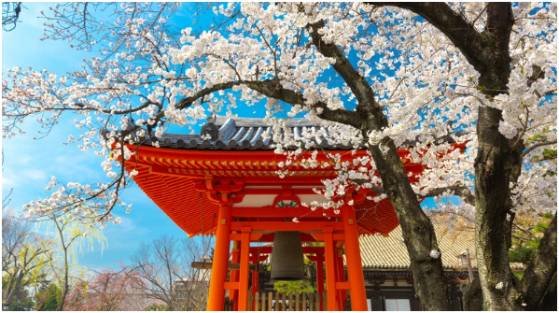
If you love flowers and mild temperatures, spring is the best time to visit Japan. I visited in late March, and it was the perfect balance of sunny days and cool nights.
The cherry blossoms (sakura) were in full bloom, especially around late March to early April. There’s something magical about walking through Tokyo or Kyoto with cherry blossoms gently falling around you—definitely an unforgettable experience.
The daytime highs were around 12°C (54°F), and the evenings cooled to about 3-5°C (37-41°F), so I always had a light jacket with me. It was ideal for strolling through parks or enjoying a boat ride on the cherry-blossom-lined rivers.
Summer (June – August): Hot and Humid, but Full of Energy
Summer in Japan isn’t for everyone, especially if you’re not a fan of heat and humidity. I visited Japan in July, and let me tell you, it was hot. Daytime temperatures can easily hit 30°C (86°F), and the humidity can make it feel even warmer.
If you’re going in July or August, be prepared for this. However, there’s a silver lining—this is festival season! I went to the Gion Matsuri in Kyoto, and it was worth the sweat. Parades, fireworks, and traditional performances fill the air, making it a cultural dream.
Just keep in mind that June is the rainy season, so you might encounter heavy downpours—something I learned the hard way when my shoes got soaked in Tokyo’s summer rains.
Autumn (September – November): My Favorite Time to Visit Japan
If I could recommend one season, it would be autumn. This was when I had my most peaceful trip. From late September to early November, the weather is crisp and comfortable—perfect for sightseeing. The colors of the leaves in Kyoto’s temples or the Hokkaido mountains are nothing short of breathtaking.
I went in October, and the autumn foliage was in full swing. The temperatures were comfortable, with daytime highs around 12°C (54°F), making it ideal for outdoor adventures and hiking. Plus, I got to experience the Oktoberfest in Sapporo—a great mix of festivals and food.
Winter (December – February): Snow, Skiing, and Cozy Vibes
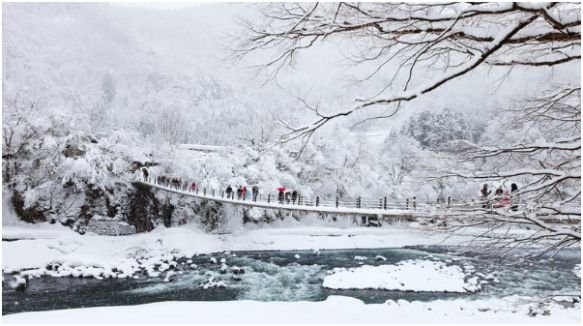
For winter lovers, Japan offers an entirely different experience. In January, I ventured to Hokkaido for skiing. The snow was incredible! Japan is known for its powder snow, and it lived up to the hype.
If you’re not into skiing, Sapporo hosts the Snow Festival in early February, which was a visual feast—huge ice sculptures and winter illuminations make the city sparkle.
Tokyo and Kyoto get chilly, with temperatures ranging from 3-5°C (37-41°F), so pack warm clothes if you’re traveling to the cities. But if you’re headed to Okinawa, it’s a mild and subtropical climate—perfect for escaping the cold.
Festivals: When is the Best Time for a Japanese Festival?
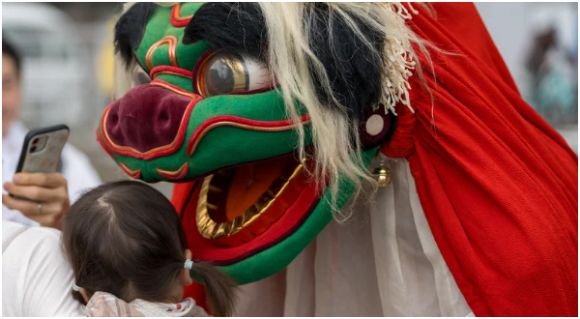
Japan’s festivals are a huge draw, and picking the right time to visit can give you an unforgettable cultural experience. I’ve experienced a few festivals during off-peak seasons, and let me tell you—they’re just as exciting!
Festivals in June: Surprisingly Active
If you want to avoid the July-August crowds, consider visiting Japan in June. It’s not just about the rain; June hosts some amazing festivals that you won’t want to miss.
- Sanno Matsuri (Tokyo): This mid-June festival is one of the city’s biggest and oldest. I watched the procession of portable shrines through the streets—it felt like stepping back in time.
- Yosakoi Soran Festival (Sapporo): In early June, I danced along with the crowd at this lively Yosakoi dance festival. It’s full of energy and is something I highly recommend if you’re in Sapporo.
Festivals in September: Experience Japan’s Hidden Gems
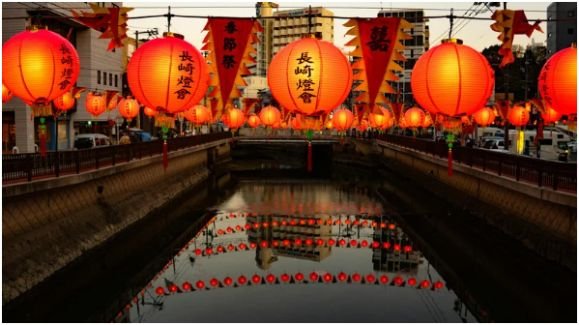
I visited Japan in September to catch the tail end of summer festivals—and I was not disappointed!
- Kishiwada Danjiri Matsuri (Osaka): If you like a bit of chaos, you’ll love this high-speed festival in mid-September. Watching the giant danjiri floats being pulled through the streets at breakneck speed was one of my most thrilling festival experiences.
- Owara Kaze no Bon (Toyama): For something quieter but just as captivating, head to Toyama in early September. The elegant folk dances under lantern-lit streets are serene and beautiful.
How to Pick the Best Time Based on Your Interests
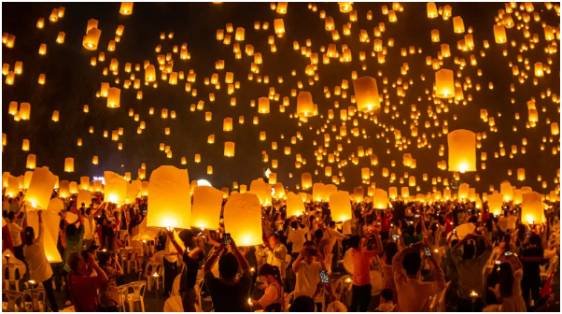
If you’re still wondering when is the best time to visit Japan, it boils down to your personal interests.
For Cherry Blossoms and Mild Weather
- Best time: Late March – Early April
- Why: Cherry blossoms, mild temperatures, and plenty of festivals make it an unforgettable experience.
For Festivals and High-Energy Culture
- Best time: June and September
- Why: Fewer crowds and vibrant festivals—perfect for festival lovers.
For Outdoor Adventures and Fall Colors
- Best time: Late October – Early November
- Why: Stunning foliage, clear skies, and perfect hiking weather.
For Skiing and Winter Sports
- Best time: January and February
- Why: Powder snow in Hokkaido and festive winter events make this season perfect for snow lovers.
Frequently Asked Questions
1. What’s the cheapest time to visit Japan?
The cheapest time to visit Japan is usually during January and February, when most tourists shy away due to the cold weather. However, avoid the New Year period, as that can be expensive. Flights and accommodations are cheaper, but be prepared for chilly temperatures, especially in northern regions.
2. What is Japan like in the rainy season?
The rainy season (June) in Japan is a mixed bag. The rainfall is mostly light to moderate, but it can get humid. If you don’t mind a little rain and want to experience less crowded attractions, this could be a great time to go.
3. Is December a good time to visit Japan?
Absolutely! Early December is a great time to visit Japan. The weather is cool but not freezing, and you can enjoy winter illuminations in cities like Tokyo and Osaka. If you’re into snow, head to Hokkaido for skiing or check out the Sapporo Snow Festival in February.
The Best Time to Visit Japan: Wrapping Up Your Trip
No matter when you visit Japan, you’re sure to have an incredible time. Whether you’re chasing cherry blossoms in the spring, enjoying autumn foliage, or skiing through powder snow, each season offers something unique.
My personal favorite? Definitely autumn—the vibrant colors, crisp air, and serene landscapes make it the perfect time to explore. So, pick the season that fits your travel style, pack your bags, and enjoy Japan!