

Sharing your home with local wildlife can seem okay at first. However, it becomes problematic if they enter your attic or crawl space. It may happen during any season of the year due to climate change and the animal reproduction season.
Rodents like raccoons, squirrels, and rats enter your property at these times. True safety means you need a solid plan. It is not just about using quick fixes but about finding real, long-term answers. If you own a home, it is smart to get help from expert san antonio citter evictors so your house stays safe from pests all year.
The Foundation: Full Multi-Point Check
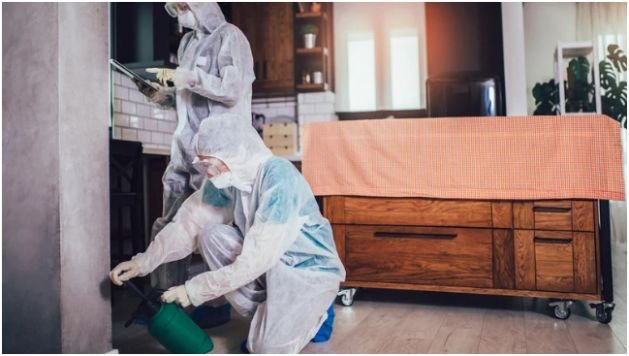
Good wildlife management does not start with a trap. It always begins with a clear and full check of your building. The entire building structure needs to be checked for vulnerabilities that are often overlooked by others.
Roofs & Eaves
The fascia, soffit, and ridge vent need to be checked.
Foundation and Crawlspaces
Inspecting for vents at ground level, holes for wires and pipes, and any openings in houses on pilings, which are preferred by opossums and skunks.
Perimeter Anomalies
This means finding tree branches that hang over or spots in the building that look chewed.
These areas can let animals in and out. This careful phase finds animals that are already in your place.
The Intervention: Safe and Humane Removal

When the active problem area is found, the next step is to remove the animals in a safe way. This must be done without doing more damage to your place. Properly trained individuals will employ the appropriate techniques suitable for the type of animals found in your locality, in addition to abiding by the wildlife regulations.
One-way door systems allow the animals to move out in search of food without being able to re-enter. In case trapping is necessary, inspect the traps regularly. This will keep things safe for the animals and lower their stress. This way helps protect your family from germs that wild animals can bring and also keeps nature in balance.
A Lasting Shield: Strong Ways to Keep Pests Out
The main thing that makes amateur pest control different from professional wildlife management is blocking the animals out for good. If you only take the animal away, another pest can come in very soon.
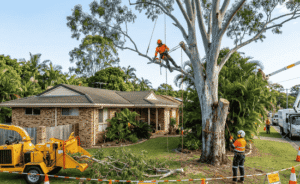
Professional remediation means closing up every spot where animals get in, including removing large trees near residential buildings to prevent access for them. Workers use strong, wildlife-proof stuff like steel mesh and concrete to block these spots. They also clean the area to get rid of any animal scent trails that might bring in other animals. When you choose the right san antonio citter evictors, you get a strong shield. This keeps your place safe all year round.
Year-Round Protection Calls for Regular Inspections
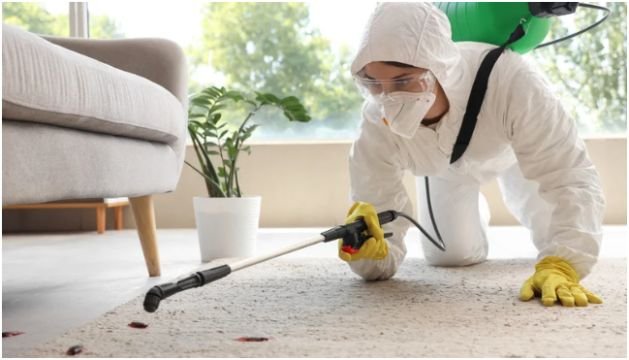
Animals come and leave with each passing season. For this reason, you will have to regularly inspect your property. Inspections will make sure that your property remains protected for a long time and enhance style and function in your home for longer time.
Spring
Inspect your roof, soffits, and vents for signs of bird and animal nesting.
Summer
Inspect areas around the foundation, crawl spaces, and utility penetrations.
Fall
Seal all new openings to prevent the invasion of wild animals into the home.
Winter
Inspect your attic and wall voids to find out whether cold drafts and moisture manage to penetrate into them.
When you do seasonal checks and get a professional to fix any problems, you lower the chance of pests coming back. You also keep your home safe all year.
FAQ
1. How will I know whether I have wildlife in my attic?
Some clues include sounds of scratching at night, odor, damaged insulation, and poor indoor air quality. Other signs include chewed wires and droppings around possible entry points.
2. Why should I not trap the wildlife myself?
Trying to trap animals on your own can lead to damage in your home. It can also cause animal bites or even trouble with the law if you handle protected animals the wrong way. Also, doing it yourself often means you don’t fix where the animals got in. This leaves your home vulnerable, so the animals can come right back.
3. Does homeowners’ insurance cover wildlife damage repair?
What your insurance covers can change a lot based on your plan. It also depends on what kind of animal did the damage. If a raccoon suddenly causes harm, your policy might help you. But if rodents hurt your property over a long time because of neglect, your plan will usually not pay for it.
Securing Your Peace of Mind Every Season
Early intervention when dealing with your wildlife will help secure your finances and safeguard your family from any danger that may arise due to animals in your home. True security means prevention through making your weaknesses stronger and thus rendering them incapable of being exploited. By hiring the right professionals for your home, you can rest assured that there will be no advent of animals ever again.